In brief
While many Syrians, like rebel commander Ahmed Taha, perceive Russia as a detrimental ally of the Assad regime, the interim government grapples with the need for ongoing military cooperation with Moscow. With the country's past intertwined with Russian interests, constructing a future without their presence poses challenges for both governance and national reconstruction.
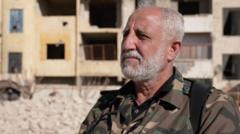
For years, Syria's political landscape was dominated by a partnership with Russia, with Moscow providing pivotal military support while gaining strategic access to Mediterranean facilities. Yet as the political tides shift in the aftermath of the Assad regime's decline, a renewed sentiment among the populace emerges—a firm desire for Russian forces to withdraw from Syrian soil.Ahmed Taha, a rebel commander now operating in Douma, encapsulates this feeling of betrayal, labeling Russia an enemy after witnessing its involvement in actions that devastated communities. Once a hub of prosperity known as the "bread basket" of Damascus, Douma now lies in ruins, reflective of the hardships endured throughout an ongoing civil war that has spanned nearly 14 years.The Russian intervention in 2015 marked a turning point, bolstering the faltering Assad regime during a crucial moment. Spy chief Sergey Lavrov asserted that the Syrian government was on the brink of collapse, advocating for Russia's military entry into the conflict. Yet, amidst claims of saving the regime, Syria's civilian population has suffered immensely, enduring countless war crimes attributed to Russian airstrikes in densely populated areas, particularly in Eastern Aleppo.In the wake of the regime's collapse, voices demanding Russian withdrawal resonate throughout the country. Figures such as Abu Hisham opine that Russia's involvement only served to support oppressive forces within Syria. Calls for departure echo even from within Syria's Christian communities, historically promised protection. Patriarch Ignatius Aphrem II highlighted the gap between Russian rhetoric and reality, emphasizing the lack of tangible assistance.However, the new leadership under Ahmed al-Sharaa acknowledges the precarious balancing act they face, hinting at possible continued cooperation with Russia for strategic reasons, particularly regarding military supplies and rebuilding efforts. This creates a complicated narrative, as many citizens yearn for complete autonomy while recognizing the necessity of foreign support in a country deeply dependent on Russian arms dating back to the Soviet era.As discussions surrounding Russia's long-term presence unfold, Moscow's diplomatic posture remains cautious yet proactive. Russian officials are keen to reinforce commitments to humanitarian aid and assist in the reconstruction of Syria, urging for the return of displaced citizens.The juncture at which Syria currently stands exemplifies a nation in transition—dreams of liberation interwoven with the logistical realities of establishing a new governance structure. Moving forward, the journey toward a sovereign Syria, free from foreign entanglements, unfolds amid ongoing negotiations and reflections on the past's impact on the present.