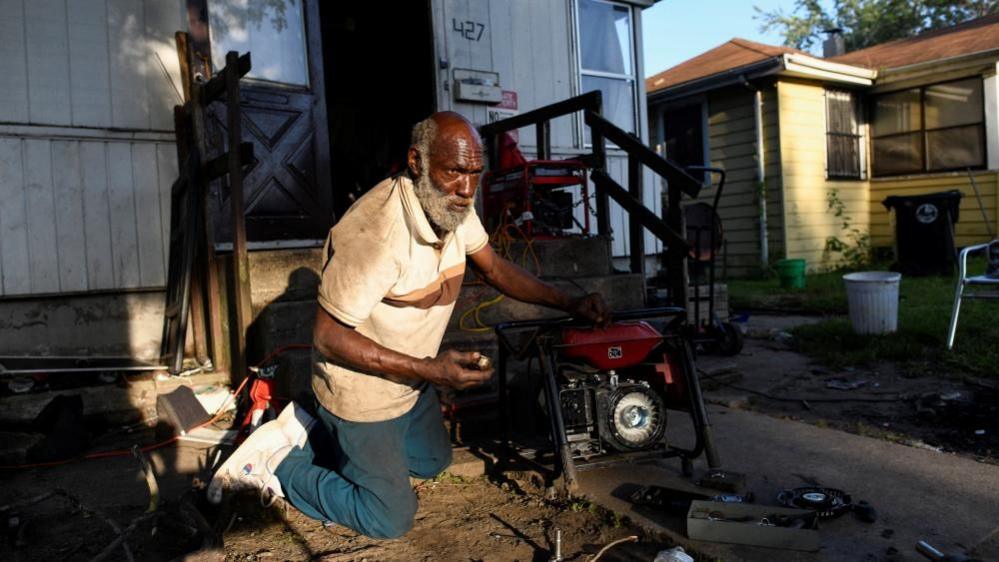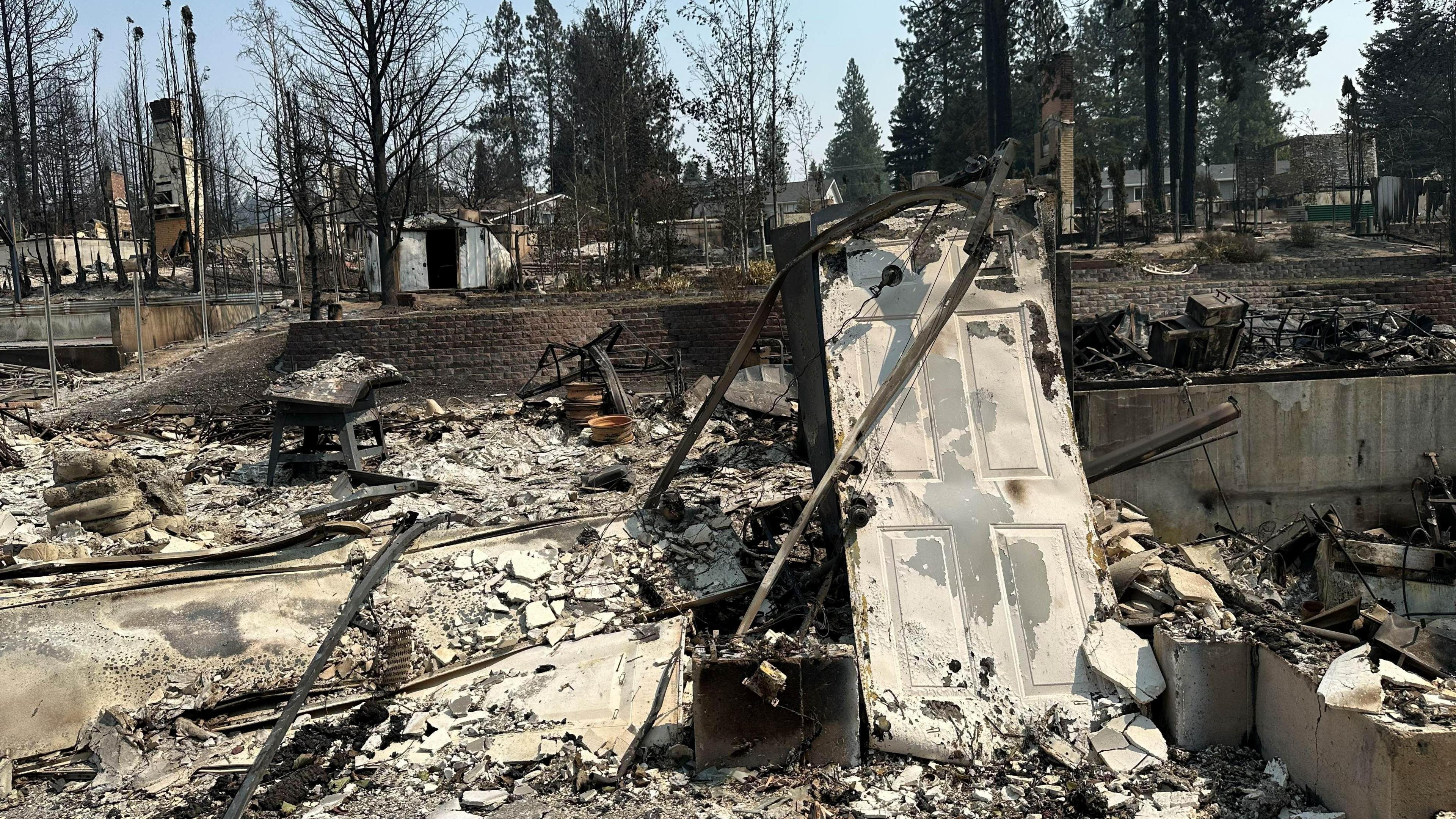
Last year a brushfire forced Chris Matthews and his family of five to flee before they could return, and this week a new blaze sent them back to smouldering ruins. He emerged from the evacuation zone only to find his home reduced to cold ash.
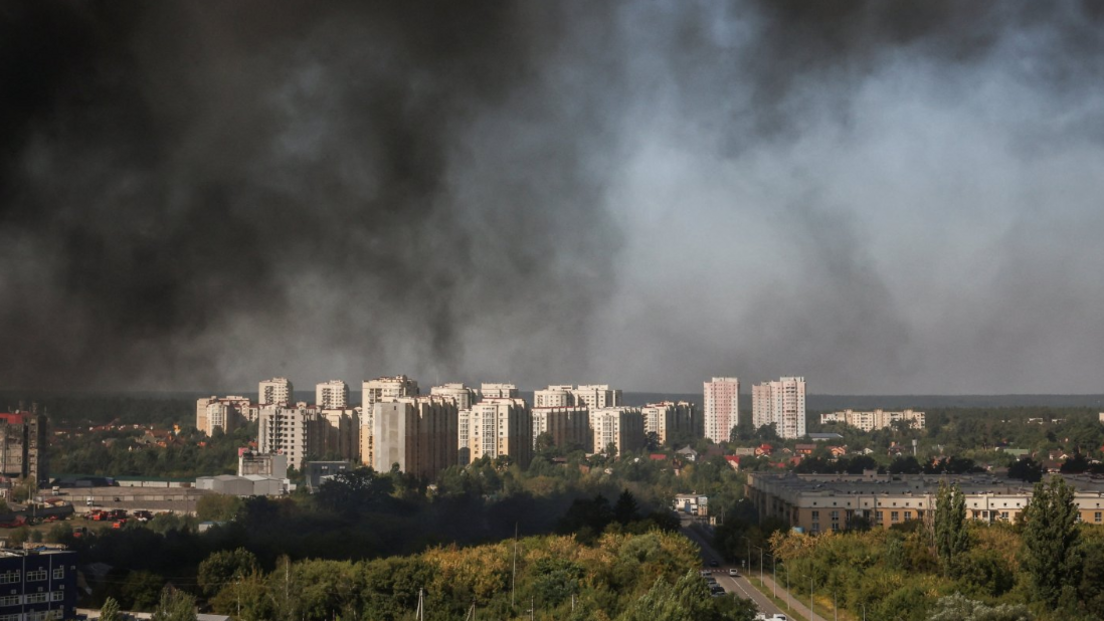
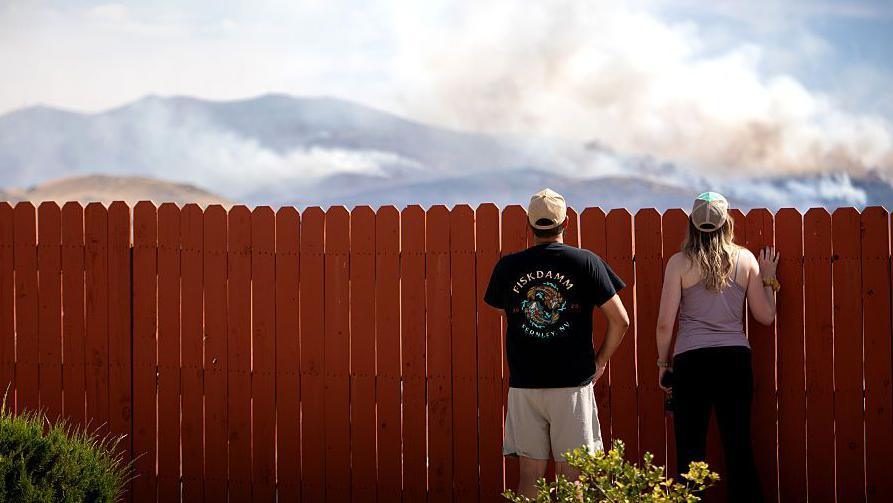
The scale of the fire was unprecedented. While summer fires are common in the Pacific Northwest, this storm broke through the river that normally shields Spokane. Roughly 65,000 residents were displaced.
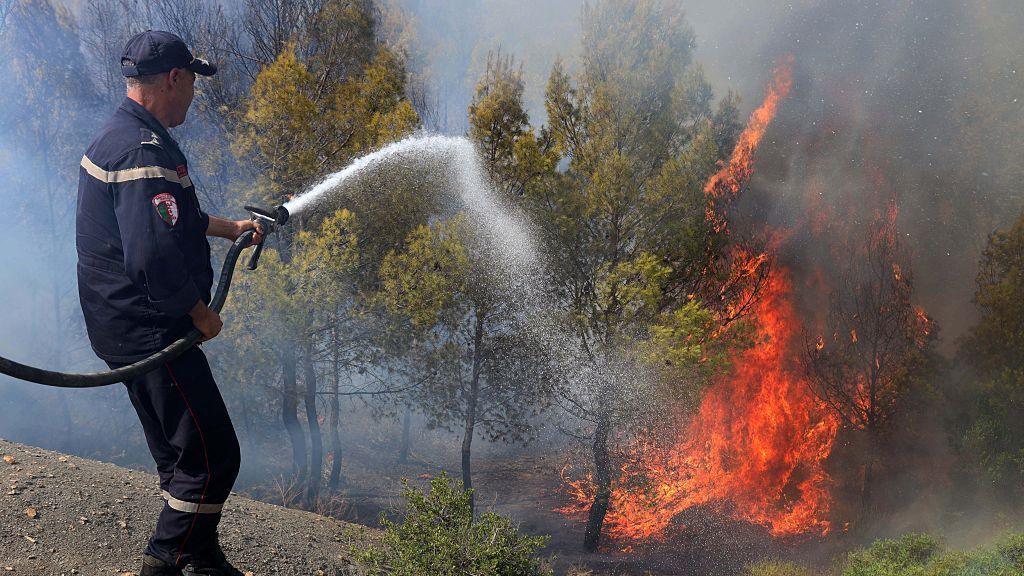
Firefighters are battling three main fronts that remain less than 40 percent contained, and councilman Zack Zappone has described an atmosphere of uncertainty and frustration in shelters.
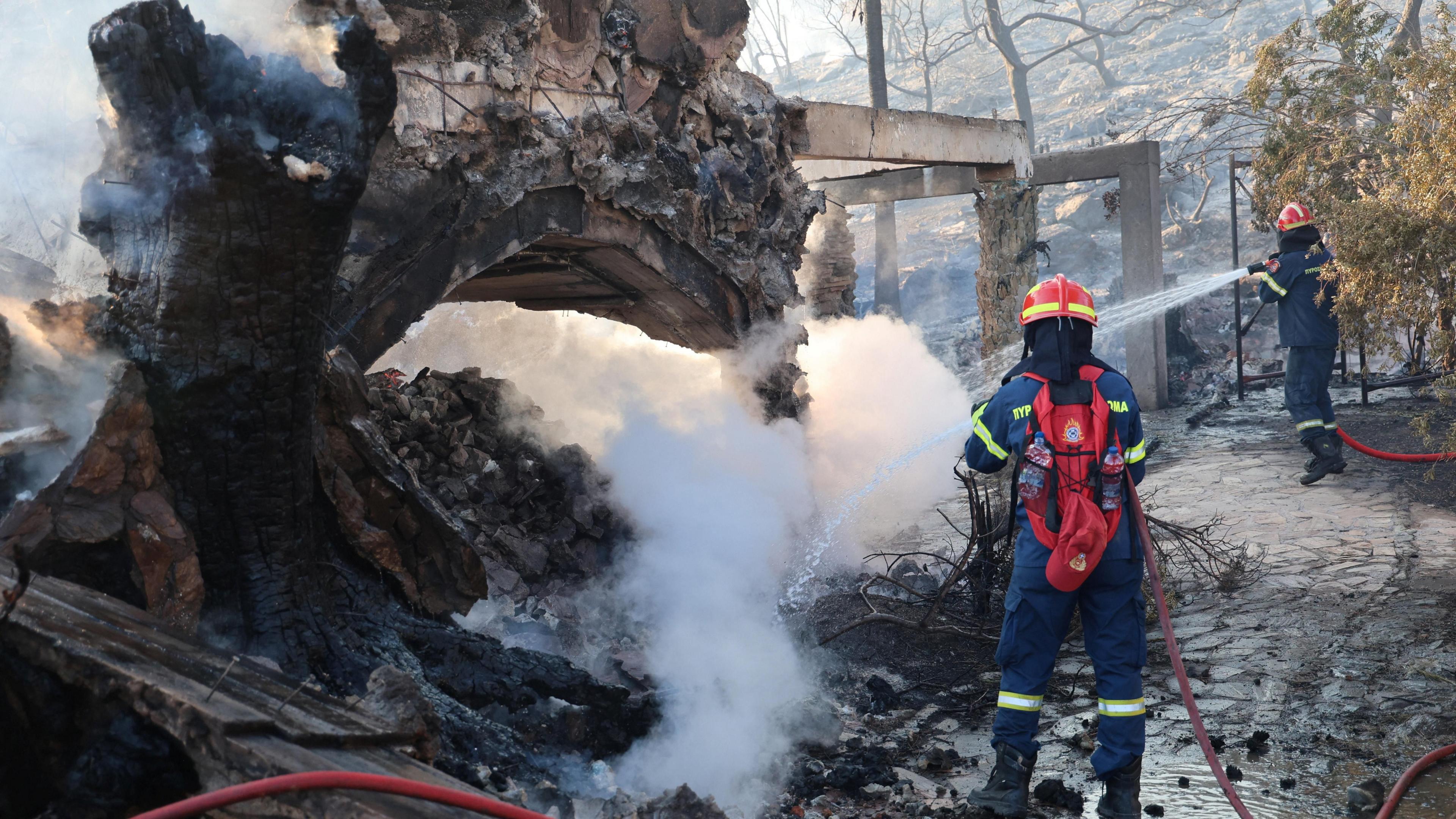
Nine hundred buildings are believed destroyed and the city grapples with rebuilding. Neighborhoods that escaped flames may still be unsafe for weeks because of ash and structural damage.
In the midst of recovery, the authorities have arrested a suspect believed to have intentionally sparked the fires on a dry, windy day. He remains charged and under a mental competency review.
Residents urge caution: mowing lawns and other activities can ignite new blazes. Support groups and civic leaders call on the public to adopt fire‑safe practices.
Chris Matthews, whose house was lost, now warns his neighbors: “Don’t assume past calm times guarantee future security.” He feels a strange comfort knowing the cause was human, not random.