Singapore Hammers Fines for Loud Music on Buses
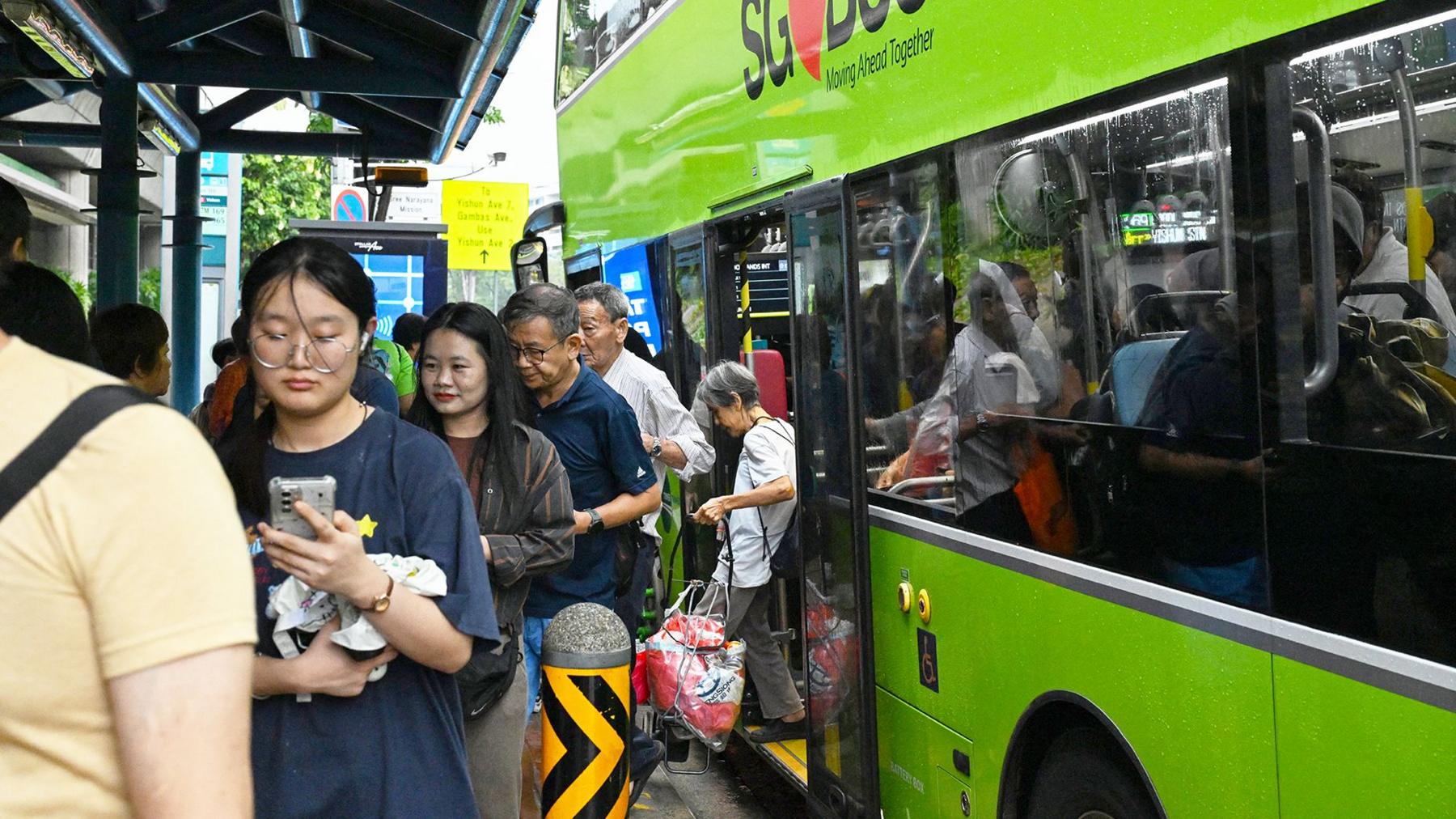
In a decisive push to improve the public transport experience, the Land Transport Authority (LTA) announced Monday that commuters on Singapore’s city buses can face fines of up to 500 Singapore dollars ($391) for playing loud music, littering, or placing their feet on seats. More severe violations—such as creating a dangerous obstruction in terminals or soiling public bus areas—trigger a 5,000‑dollar penalty.
These measures bring bus regulations onto a similar footing to those already in place for the nation's Mass Rapid Transit (MRT) network, where eating and other infractions have long warranted fines. However, bus rules had previously relied on company policies enforced by drivers, who could ask passengers to alight if necessary.
Under the new scheme, designated bus staff—ticket inspectors and interchange officers—can issue formal notices to violators. Bus captains will retain operational responsibilities instead of sanctioning authority, though they may still ask disruptive passengers to stop and, if non‑compliant, hand over the case to police.
The crackdown reflects a growing global effort to curb anti‑social behaviour on public transport. Kraków, Poland, for instance, imposed a 200‑złoty ($52) fine on passengers disturbing the quiet with mobile devices. The UK already prohibits “sound‑producing equipment” use that annoys others on trains, and some politicians advocate fines up to £1,000 for so‑called "headphone dodgers" on all transit modes.
Why it matters for climate and sustainability
A safer, quieter bus environment encourages greater public transport use, reducing reliance on private vehicles and cutting per‑capita emissions. By fostering respect for shared spaces, cities can achieve higher ridership and lower carbon footprints, turning transport hubs into exemplars of sustainable living.