In brief
The Pre-K 4 SA program in San Antonio aims to enhance educational equity by providing free preschool education to low-income families. With a focus on comprehensive child development, the program prepares children for kindergarten while addressing the unique challenges faced by underprivileged households. The initiative has received positive feedback for its effective approach in developing essential skills for children and supporting families in their journey toward stability.
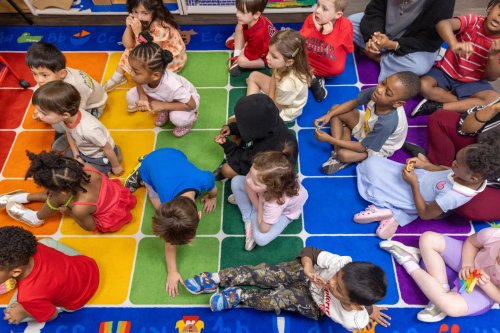
SAN ANTONIO (AP) — In an effort to bridge the educational gap between socioeconomic statuses, the Pre-K 4 SA program in San Antonio, Texas, is setting a precedent for early childhood education by offering quality education to low-income families. This initiative not only offers a free preschool education but also integrates support services to promote the overall well-being of children and their families.
As the first cohort of toddlers starts their journey through the program, parents like Sandra Mosqueda, mother of 2-year-old Atreus, express their gratitude for the opportunity. Mosqueda highlights how her older children benefitted from the free education, emphasizing the program's role in setting them up for success in elementary school.
The first five years of a child's life are critical in laying the groundwork for educational attainment. However, disparities exist in kindergarten readiness statistics, with poorer families often facing significant barriers to accessing quality educational opportunities. The latest National Survey for Children’s Health reveals less than 50% readiness for incoming kindergarten students in low-income areas compared to their affluent peers.
Amid rising child care costs, programs like Pre-K 4 SA are essential for families struggling to secure educational resources for their children. The initiative serves around 2,000 children, with 80% of the seats offered free to qualifying families, funded by the city's sales tax.
Children enrolled in Pre-K 4 SA are reported to outperform state averages in third grade math and reading, a testament to the program's comprehensive educational approach that includes socio-emotional support, self-regulation, and motor skill development.
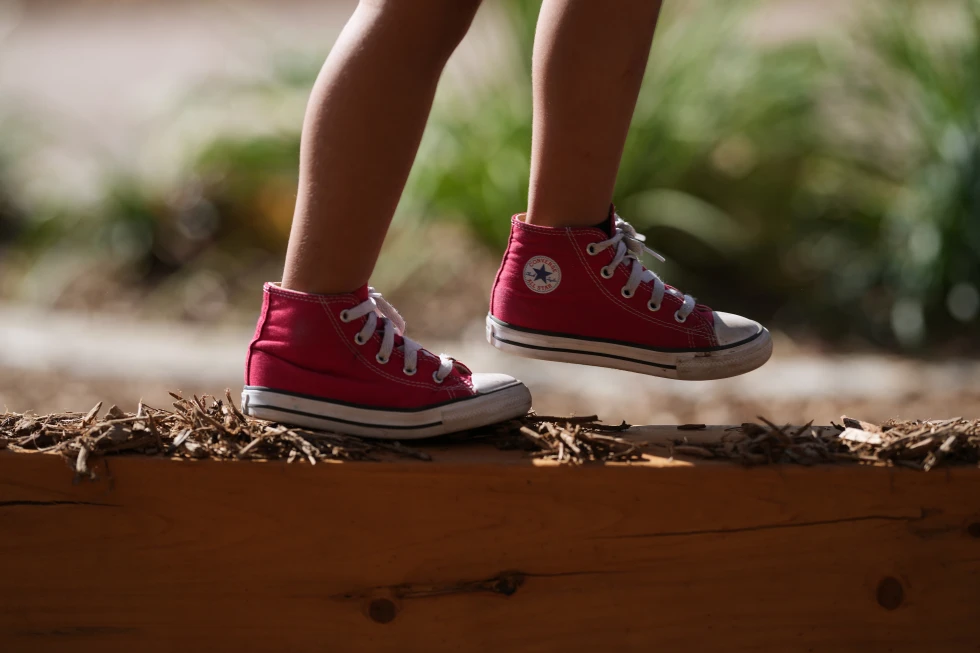
Experts emphasize the need for early childhood programs to meet high-quality standards for effective learning. Pre-K 4 SA implements a whole-child strategy that prepares children not just academically, but for life challenges as well. Enhancing motor skills through daily outdoor play and rich classroom interactions are staples of their curriculum.
The challenge of meeting demand remains significant, with over 1,600 families on the waitlist for Pre-K 4 SA. To support these families, outreach initiatives connect them with alternative educational resources.
By recognizing and addressing the barriers posed by poverty, the Pre-K 4 SA program exemplifies a holistic approach to education aimed at giving every child, regardless of background, a fair chance at success.