In brief
Throughout Putin's tenure, the challenges facing Russia have multiplied, particularly with the war in Ukraine. As he reflects on his legacy, the narrative of sovereignty and strength is put to the test against the backdrop of losses and international sanctions.
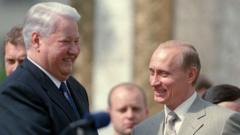
In the shadow of a quarter-century of Vladimir Putin's rule, questions swirl about whether he has genuinely fulfilled Boris Yeltsin’s directive to "take care of Russia." His presidency commenced dramatically on New Year’s Eve in 1999 when Yeltsin unexpectedly resigned, marking the beginning of a new era. Putin, initially regarded as a stabilizing force, has since shifted into a figure at the helm during tumultuous times, notably with the ongoing war in Ukraine that shows no sign of abating.The impact on Ukraine has been catastrophic; entire cities lie in ruins, with ten million people displaced and critical territories under occupation. However, the effects resonate deeply within Russia as well, where gruesome losses on the battlefield and consistent drone assaults on Russian cities characterize this conflict. Simultaneously, international sanctions wring pressure on the already fragile economy and exacerbate the country’s demographic crisis.Having reported on Putin since he rose to power, the transformation in his leadership has been stark. Observers note a marked shift from a leader who once advocated for diplomatic relations with the West to one embodying an aggressive nationalism that dismisses Ukraine’s sovereignty. Former NATO chief Lord Robertson reflects on this change, illustrating a deepened sense of ambition that drives what many see as Putin's distorted vision of Russia’s place on the global stage.Putin himself defiantly claims to have upheld Yeltsin's legacy, asserting that he has guided Russia away from peril. In a recent press conference, he responded affirmatively when questioned about the losses incurred during his military campaigns, pivoting the narrative to frame his administration as a vanguard of sovereignty against perceived Western encroachments. This framing raises questions about the authenticity of Putin's claims and whether they are pandering to a narrative designed to justify ongoing actions. Observers continue to debate whether he genuinely believes he has safeguarded Russia’s independence or if these sentiments are mere rhetoric aimed at bolstering his image amidst adversity.As the conflict continues to sway and shape Russia's future, the answer to whether Putin has truly honored Yeltsin's directive remains uncertain—a pivotal consideration that could ultimately define the trajectory of both his presidency and the nation itself.