
In brief
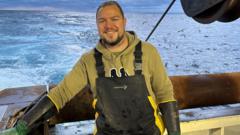
Amid dwindling investment in the Arctic, fisherman Sondre Alnes-Bonesmo shares his experiences against a backdrop of geopolitical tensions and environmental concerns. While the Arctic's mineral wealth was enticing, recent conflicts, particularly the Ukraine invasion, have halted progress and left the region's future uncertain.
In recent years, the Arctic has captured global attention not only for its vast mineral and hydrocarbon reserves but also due to geopolitical maneuvers, including Donald Trump's infamous suggestion to purchase Greenland. Mr. Trump’s alleged interest hinges on national security and access to Greenland’s mineral wealth, yet investment prospects across the Arctic are freezing amid rising political strife. For Norweigan fisherman Sondre Alnes-Bonesmo, current working conditions in this harsh environment are anything but easy. Amidst endless winter darkness, with temperatures plunging below -40°C, he endures long shifts aboard the Granit, one of the largest factory trawlers fishing Arctic waters. Alnes-Bonesmo, like many others, grapples with the implications of climate change—ice levels recede, but the Arctic remains unforgiving.The so-called "cold rush" began around 2008, spurred by predictions of vast untapped resources and potential sea routes becoming navigable. However, according to U.S. and Norwegian maritime experts, the promise of economic development has waned due to deteriorating relations, particularly following Russia’s invasion of Ukraine in 2022. Morten Mejlaender-Larsen of DNV highlighted a significant slowdown in international shipping and exploration in Arctic regions since then.Norway's ambitions to drill for oil and gas in Arctic environments have also retreated. Environmental advocates laud the cessation of deep-sea mining licensing off Norway's coast, prioritizing the protection of the delicate polar ecosystem. Helene Tofte from the Norwegian Shipowners Association reflects on the overestimation of the Arctic's shipping potential, further compounding the case against rushed resource exploitation.Industry experts like Prof. Arild Moe contend that initial assumptions about the region's resources were speculative rather than based on viable reserves, thereby rendering ambitious plans laid a decade ago overly optimistic. Simultaneously, authorities in Greenland and Denmark swiftly condemned Trump's remarks, emphasizing Greenland's autonomy and the strategic importance of its mineral resources.As the North American Arctic sees potential oil drilling advancements with a nod of approval from the Trump administration, the situation remains complex. Canada continues its development of vital infrastructure, exemplified by Grays Bay’s deep-water port to facilitate navigation through the Northwest Passage.For those like Alnes-Bonesmo, the changing landscape of the Arctic evokes a myriad of reflections. Despite the dramatic shifts in fishing quotas and the latent dangers of the ocean, he articulates a deep respect for the Arctic's beauty and power, even as he grapples with uncertainties about the future of both the region and his trade.

