In brief
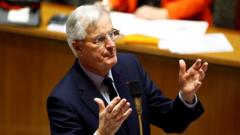
As French Prime Minister Michel Barnier faces a potentially devastating no-confidence vote, the implications extend beyond France, creating ripples of concern for the broader stability of Europe, especially as both France and Germany grapple with internal political and economic turmoil.
In an escalating political crisis, France is poised for significant upheaval as Prime Minister Michel Barnier confronts a no-confidence vote, expected to take place on Wednesday. The opposition in the French parliament is all but unanimous in its support for the motion, following Barnier's controversial use of special legislative powers to push through a contentious social security budget.This political disarray comes at a critical moment marked by international instability, heightening concern both within France and across Europe. Historically, France and Germany have acted as the dual engines driving the EU's political and ideological framework. However, with France now mired in internal conflict and Germany facing its own challenges—including a snap election due in February after a coalition government collapse—the stability of the EU is under threat.Questions loom large over how the EU can project unified strength in the face of outside challenges, particularly given tensions with Russia and potential shifts in U.S. political leadership. Many fear that an impending Trump presidency could severely disrupt military aid to Ukraine, straining the EU's resolve as Europe's principal military power.If Barnier is ousted, President Emmanuel Macron must appoint a new prime minister. Yet the fractured nature of parliament, divided among three rival factions, suggests that paralysis will likely continue, stymieing much-needed reforms and economic stabilization. France, the eurozone's second-largest economy, is already grappling with a spiraling budget deficit and government debt, raising alarm bells among both French taxpayers and other eurozone nations wary about the economic fallout.As Macron attempts to project stability, calling for unity and stressing the strength of the French economy, a cloud of uncertainty hangs over his administration. The ongoing gridlock is a residual effect of a summer election that weakened his political party, Renaissance. Under current French law, no parliamentary elections can occur for at least another year, stifling immediate prospects for budgetary reform until potentially late 2025.Political opposition to Macron is mounting, with calls for his resignation gaining traction as leaders see an opportunity to break the impasse. Potentially capitalizing on Macron's predicament is Marine Le Pen of the National Rally Party, who's under investigation for alleged misuse of EU funds. A ruling anticipated in March could dictate her political future and offers a compelling backdrop to the tumultuous situation.As the political landscape grows increasingly complicated, the outcome of this crisis holds profound implications, not just for France, but for the broader European project, as the continent navigates a period of unprecedented uncertainty.