In brief
Dong Guangping, a 68‑year‑old former police officer and human‑rights activist, undertook a perilous 300‑kilometre sea journey from Shandong, China, to South Korea after previous failed escape attempts. After being rescued by fishermen near Taean, he was brought to a refugee centre in Incheon where he received political asylum in Canada, reuniting with his family. He has been repeatedly jailed in China for protesting against the 1989 Tiananmen crackdown, yet his resolve never wavered. His story highlights the extreme risks activists face when fleeing authoritarian regimes and underscores the crucial role of international asylum pathways. The escape underscores the ongoing danger for Chinese dissidents and the importance of global support for human‑rights defenders.
Chinese activist Dong Guangping fled China by sea, covering more than 300 kilometres across the Yellow Sea and South Korean coast. After forty hours in a 3.3‑metre rubber dinghy equipped with an engine, he was rescued by fishermen near Taean and brought to a refugee centre in Incheon.
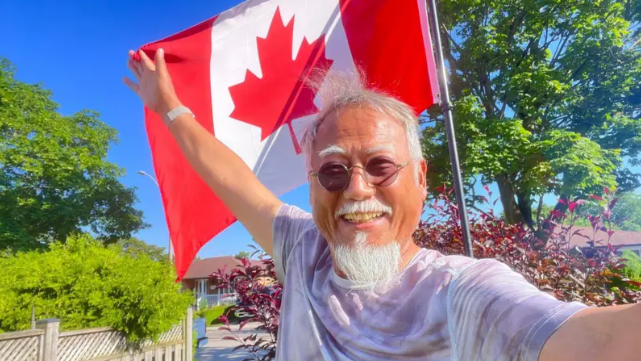
Dong, a 68‑year‑old former police officer who has been jailed several times for protesting the 1989 Tiananmen crackdown, was granted political asylum in Canada and is now reunited with his family, who had been residing there prior to his escape.
He described the journey as terrifying: “I could have drifted back towards China if my phone’s battery had failed, and I almost missed a cargo ship while dozing on the boat.”
During a BBC Chinese interview from Toronto, Dong stated, “I can never survive in China… they cannot stop me, they cannot control me.”
Despite multiple prior attempts—failing to leave China on four separate occasions, once being deported back from Thailand—Dong remained steadfast, choosing a dangerous maritime route as his final escape plan.
His ordeal continues to draw attention to the risks faced by Chinese dissidents and the pivotal role of international asylum systems.