As France marks the 10th anniversary of the Bataclan massacres, another reminder has come of the permanence of the jihadist threat. A former girlfriend of Salah Abdeslam, the only jihadist to survive the November 2015 attacks, has been arrested on suspicion of plotting her own violent act.
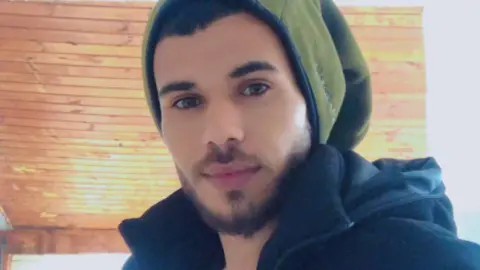
The woman—27-year-old French convert to Islam named Maëva B—began a correspondence with Abdeslam, who is serving a life sentence following his conviction in 2022. Police investigation revealed that they used covert methods to continue their relationship, leading to Maëva B's arrest when evidence surfaced of her potential involvement in planning a jihadist attack.
The timing of her arrest, just as France commemorates the anniversary of one of its worst terrorist attacks, underscores the lingering challenges the country faces regarding extremism. Observers note that despite the diminished power of the Islamic State group, the threat of home-grown jihadism persists, often igniting among younger extremists.
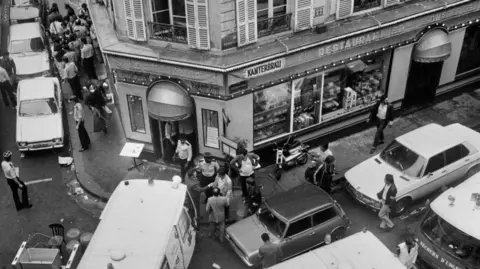
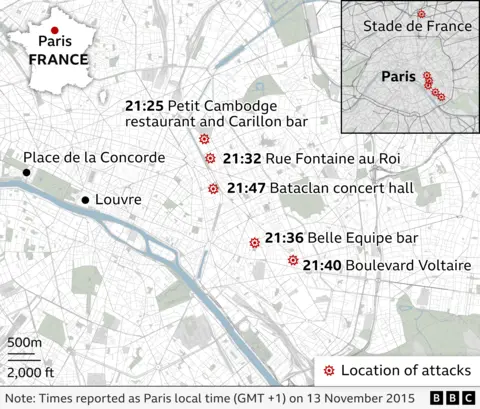
On the night of 13 November 2015, coordinated assaults by jihadists left 130 people dead, with 90 of those deaths occurring at the Bataclan concert hall. This massacre has become synonymous with extreme Islamist violence in France, much like 9/11 in the U.S.
In addition to commemorations, key discussions have arisen around contemporary jihadism and how the dynamics of threats have shifted. While governmental counter-radicalization efforts have improved with advanced monitoring of online activities, sociocultural factors warrant careful consideration as they could exacerbate tensions, particularly in light of ongoing global conflicts which inflame sentiments.
As memorial events unfold across Paris, including the illumination of the Eiffel Tower in the colors of the French flag, poignant reflections from survivors and the broader community resonate, reiterating a collective commitment to resilience against terror.