In brief
With ongoing protests in Iran driven by economic despair and demands for regime change, opinions are divided on potential U.S. intervention. While some demand action to alleviate violence, others worry it might jeopardize the safety of loved ones still in Iran. The complexity of these perspectives reveals a profound anguish over the nation’s fate and urgent calls for democratic change.
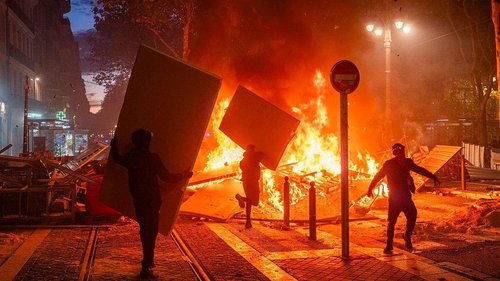
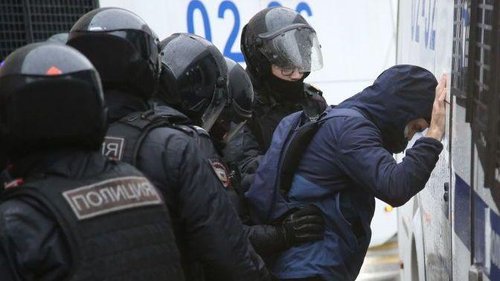
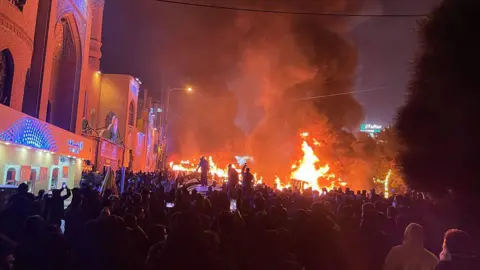
For Mojdeh and her husband, the question of U.S. intervention in Iran is personal. In early January, they traveled from their home in Washington, DC to Tehran to visit family, expecting a short, routine trip. Instead, protests spread, flights were canceled and they found themselves stranded in a city that no longer felt predictable. 'Life was on pause,' Mojdeh said, especially at night, when the internet and even phone networks went dark.Initially not planning to protest, Mojdeh found it impossible to remain uninvolved after seeing the state of the city. 'If you left your house, you saw it,' she said. One evening after dining out, they stepped outside to find the streets filled with crowds and a notable absence of control from security forces. She described it as if people had 'occupied Tehran'.Protests erupted across Iran just before the new year, driven by anger over economic hardship and a collapsing currency; these quickly escalated into calls for the end of the Islamic Republic. The U.S.-based Human Rights Activists News Agency (HRANA) reported upwards of 6,000 confirmed deaths among protesters, while other organizations estimated the toll could exceed 25,000. The Iranian government's claims of over 3,000 casualties emphasized that most were security personnel or bystanders, blaming the violence on 'rioters'.The protests have caught the attention of U.S. officials, with President Donald Trump voicing support for the Iranian people. However, as official talks were held between U.S. and Iranian officials, skepticism remains about their outcomes.Mojdeh described distressing scenes of chaos and violence that have stayed with her after returning to the U.S. Her husband noted that within their circle, military intervention was often seen not as an attack, but as a form of help. However, both expressed doubt that such measures could achieve what protesters truly seek: dignity, economic security, and freedom.The lingering questions arise weeks after the protests, as many Iranians inside and outside the country grapple with the appropriateness and potential consequences of U.S. intervention. Views are split: while some demand it as a means to halt violence, others fear it might worsen the plight of those remaining in Iran. Activist Roozbeh Farahanipour expressed concern about U.S. involvement, reflecting on the history of external intervention leading to detrimental outcomes for ordinary citizens.Others like Ali, an Iranian living in the U.S. for over twenty years, emphasize the failure of the regime to reform itself. He supports targeted strikes against key regime figures as a possible solution. His sentiments echo amongst many Iranians who feel that without intervention, significant change is unattainable. Hemad Nazari, an Iranian activist, relayed a pervasive sentiment that protests have only led to deaths, and that intervention is viewed by some as the only viable route forward.As repression continues in Iran, with hundreds of thousands arrested or missing, the sense of urgency is palpable. Observing this from afar is painful for many, as expressed by Shirin, an Iranian-American who fears for the large populace of 90 million still under the regime. Amidst this tumultuous climate, the debate about U.S. intervention transcends mere politics, becoming a deeply personal issue intertwined with hope, despair, and an unyielding quest for freedom.