In brief
In a recent interview, Elon Musk voiced his discontent with Donald Trump's tax and spending plan, which he argues undermines previous efforts to cut government spending. This surprise critique highlights a growing divide within the Republican party regarding fiscal policies.
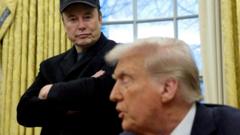
Tech entrepreneur Elon Musk has publicly expressed his disappointment with Donald Trump's recent tax and spending bill, diverging from the support he previously offered the former president. In a CBS Sunday Morning interview, Musk described the plan, which the US House of Representatives passed last week, as a "big, beautiful bill" that could potentially aggravate the nation's budget deficit instead of alleviating it.The controversial legislation proposes multi-trillion dollar tax cuts, an increase in defense spending, and a rise in the debt ceiling to $4 trillion. Musk, who was formerly involved in cutting spending for the administration, criticized the bill for its expansive financial implications, indicating that it could escalate the deficit by approximately $600 billion in the coming fiscal year.“I was disappointed to see the massive spending bill, frankly,” Musk remarked. His comments suggest that the spirit of his earlier initiatives, particularly as part of the Department of Government Efficiency (Doge), is being compromised. Musk referred to Trump's moniker for the legislation, questioning its dual characteristics of being both "big" and "beautiful."Trump has acknowledged dissatisfaction with some elements of the bill, but he remains optimistic about certain aspects like tax cuts. The president asserted, "It's the big, beautiful bill," yet he did not specifically address Musk's criticisms during a subsequent meeting with reporters.Musk’s disapproval indicates a rift as tensions continue to surface within the Republican Party regarding fiscal responsibilities. Following his substantial financial contributions to Trump's re-election campaign, Musk's current stance signals a potential shift in their political alignment.Previously, Musk aimed to assist in reducing government spending by targeting $1 trillion worth of cuts. Despite claims of progress saving around $175 billion, scrutiny points to a lack of substantial evidence supporting these financial figures.This latest turn of events also comes as Musk intends to scale back his political expenditures and focus on leading Tesla for the foreseeable future, amidst backlash from protests and criticisms of his Doge strategy, which included workforce reductions within the federal government.While Musk justified his actions as essential in streamlining government spending, this recent critique of Trump's policy could foreshadow a significant change in their collaborative efforts moving ahead.