In brief
As the Syrian Civil War reaches a new phase under rebel leader Ahmed al-Sharaa, questions swirl over his promises and ability to unite the fractured nation without succumbing to extremist factions or foreign interventions.
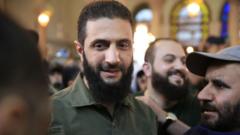
In the wake of a surprising power shift in Syria, the rebel coalition's recent advances, including the capture of Aleppo, have brought a new figure to the forefront: Ahmed al-Sharaa, the de facto leader of Hayat Tahrir al-Sham (HTS). This once-jihadist has transitioned from his wartime persona to a political leader claiming to represent a more inclusive Syrian nationalism, yet skepticism runs high among the populace as the country grapples with the aftermath of nearly a decade of war.Upon my arrival in Damascus, I noticed the stark contrast of a now-peaceful presidential palace against the backdrop of a city steeped in conflict, where the echoes of gunfire had barely faded. Al-Sharaa, though intelligent and politically savvy, was hesitant to clarify the specifics of his vision for Syria's future. While rejecting comparisons to the Taliban's rule over Afghanistan, he expressed an understanding of the complex societal dynamics within the country, yet left many pressing questions unanswered.Critics await tangible proof of his commitment to democratic reforms, including minority rights and women's freedoms. His recognition of the nearly half of the refugee population forced from their homes amid chemical attacks illustrates a profound understanding of Syria's dire state. However, doubts linger over whether his administration can distance itself from its radical roots and forge a new, cohesive identity.Al-Sharaa's paramount challenge, however, extends beyond domestic issues. The tangled web of foreign interests complicates the road ahead. With external powers like the U.S., Russia, Iran, Turkey, and Israel all vying for influence in the region, Syria's sovereignty appears increasingly tenuous. Al-Sharaa openly acknowledges these dynamics, insisting that his aim is not to provoke conflict but to restore stability—a lofty goal in light of the encroaching ambitions of regional players.The atmosphere among civilians reflects mixed feelings; many express a desire for peace and to be left alone to rebuild their lives. Yet, the reality of rampant militarization remains present, with various factions determined to challenge al-Sharaa’s leadership, highlighting the power vacuum that persists.Al-Sharaa's recent statements reveal a leader keenly aware of the profound responsibility he bears. He recognizes the potential backlash if he fails to deliver justice for victims of the previous regime, emphasizing the urgent need to address longstanding grievances. Syria stands at a critical juncture; it is a nation seeking to reconcile its painful history with the hopes for a more democratic and prosperous future. Ahmed al-Sharaa's capacity to balance external pressure, internal dissent, and the complex expectations of a war-weary population will shape whether Syria can overcome its fractured legacy. The question remains: can he transform promises into reality, or will he fall into the patterns of the past?