In brief
The 2004 tsunami, triggered by a massive earthquake, remains vividly etched in the memories of those affected. Survivors reflect on their near-misses and the enduring scars left on the lush Andaman and Nicobar Islands.
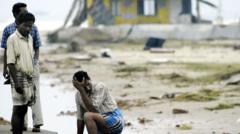
Twenty years have passed since the catastrophic tsunami struck the Andaman and Nicobar Islands on December 26, 2004, yet the memories of that harrowing day continue to haunt survivors. As I reminisce about the moments leading up to the disaster, I am reminded of how close I came to falling victim to the tidal wave that swept across the region, claiming more than 7,000 lives.On that fateful day, my friends and I were filled with excitement as we boarded a ferry to Havelock Island, known for its stunning beaches and crystal-clear waters. Only moments after setting sail from Phoenix Bay jetty in Port Blair, the ground shook violently beneath us. The scene was surreal as we witnessed the nearby jetty's collapse into the ocean, merely a harbinger of the devastation to come.Our ferry's crew informed us of the earthquake—a magnitudie 9.1 event that would soon unleash a lethal tsunami. In that moment, unaware of the chaos unfolding just minutes away, we floated in relative calm, intrigue replacing the growing sense of fear. As news trickled in about destruction elsewhere, we were oblivious to the dire consequences our beloved islands would face.Recent estimates indicate that approximately 94% of the region's jetties were either damaged or destroyed, preventing us from reaching Havelock. Eventually, our ferry returned to the harbor, but not without an unsettling sense of unease beginning to creep in. As we docked, it became clear that the islands were not the paradise we envisioned; devastation loomed large.The destruction we encountered was numbing—buildings reduced to rubble, overturned boats in abandoned streets, and roads fragmented by the sheer force of nature. Each broken piece told a tragic story. I met a terrified young girl who recounted her near-drowning experience, while another woman lamented the loss of her entire home in a matter of moments. The once serene islands now appeared hauntingly surreal.In the aftermath, the realization of the disaster's magnitude began sinking in. The saltwater had contaminated fresh water supplies, crippling agricultural lands and exacerbating the plight of the displaced. The Indian government made valiant efforts to provide disaster relief, deploying military personnel and establishing temporary shelters in schools and public buildings. Survivors brought with them harrowing tales of loss and survival. One woman recounted her escape after watching her village vanish, while others shared equally tragic accounts—families torn apart and homes washed away. Some islands remained inaccessible for days, compounding the tragedy as rescuers struggled to provide aid.A few days later, journalists—including myself—were flown to Car Nicobar, where devastation reigned. Witnessing the air force base laid to waste sent chills down our spine. Families who had lost everything sought shelter along what remained of their roads, surrounded by the wreckage of their lives. Among the scattered belongings were remnants of childhoods shattered by nature's fury.As I reflect on December 26, 2004, I can't help but wonder how different the outcome could have been had we not departed when we did. While I was spared, the lives of many remained forever altered. Their stories remind us of the resilience of the human spirit, yet also of the unpredictable power of nature and our vulnerability in the face of it.Two decades later, memories of that day shaped not only my understanding of disaster response but also the deep sense of compassion and impact we all bear witness to during crises. The Andaman and Nicobar Islands have since risen from the ashes, yet the scars of that fateful day serve as a solemn reminder of the fragility of existence and the enduring quest for recovery and resilience.