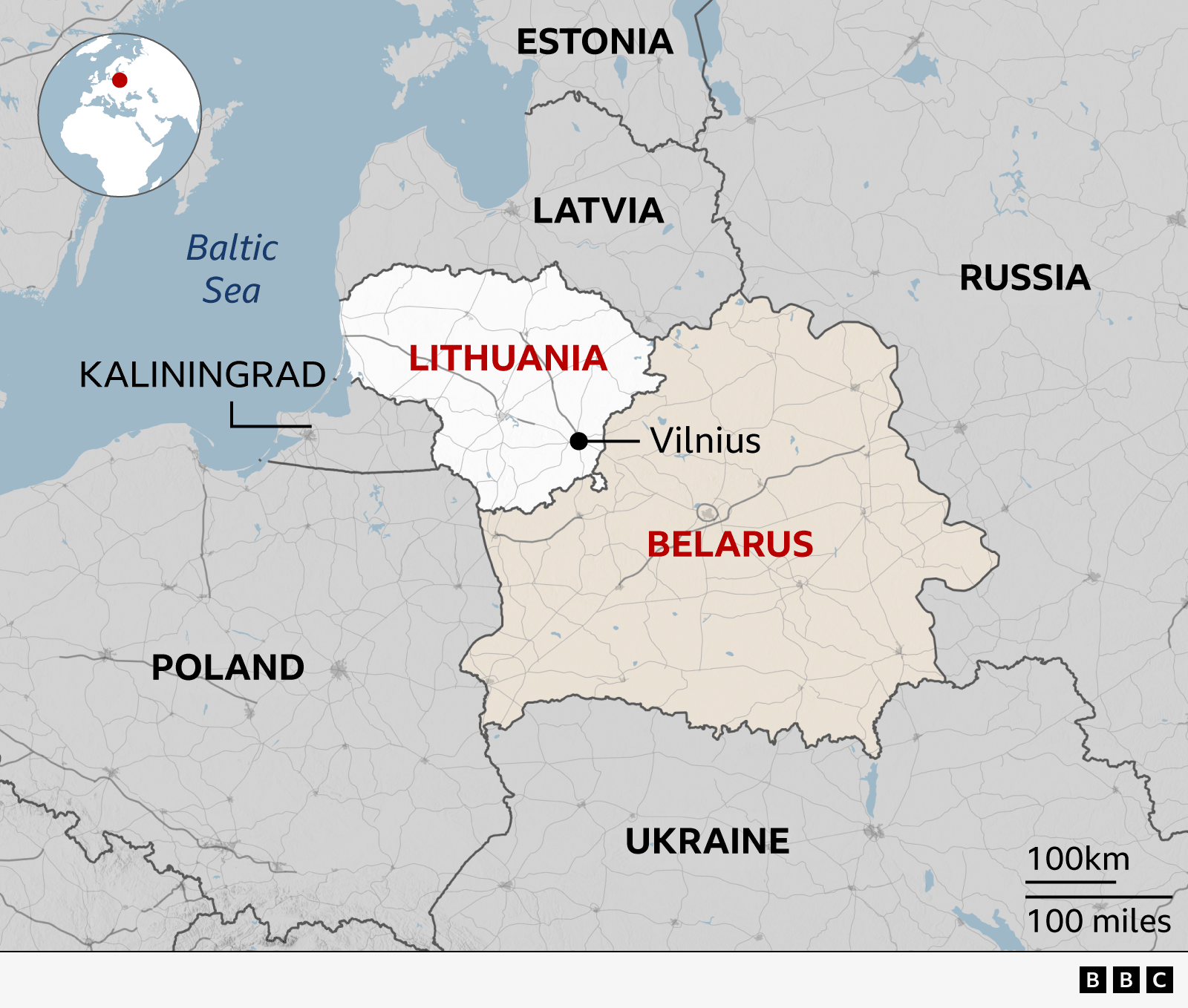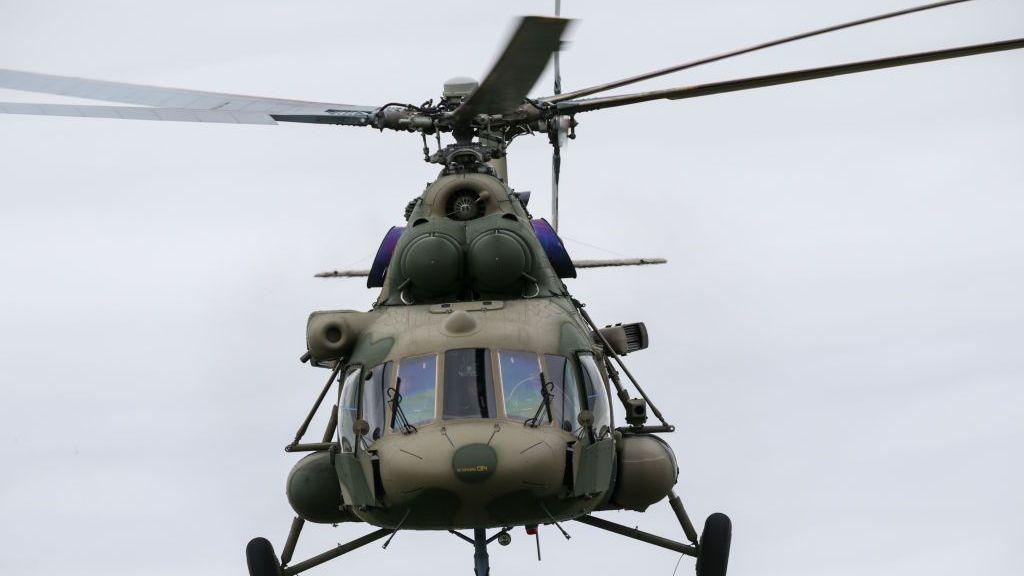
Poland reported that a Russian military Mi‑8 helicopter briefly violated its airspace near Braniewo, triggering a rapid defence response.
The Polish Army’s Operational Command confirmed the incursion at 11:08 (09:08 GMT). Radar tracked the aircraft for 42 seconds while it hovered roughly 300 metres over Polish territory, a move described by officials as a ‘test of readiness’ by Russia.
In response, Polish defence units were put on full alert and fighter jets scrambled to intercept, while ground forces remained on standby. Moscow initially declined to comment, leaving the incident open to international scrutiny.
The event fits a pattern of hybrid threats reported by Poland and other NATO members, which include drone strikes, missile tests, and cyber‑attacks aimed at destabilising critical infrastructure. These actions, often denied by Russia, pose both security and environmental risks:
- Military flight operations increase fuel consumption and emit greenhouse gases, directly counteracting climate mitigation targets.
- Resources—money, personnel, and logistics—diverted to defence readiness reduce budgetary space for green projects such as renewable energy procurement and circular economy initiatives.
- Simultaneously, heightened security can spur local ecological disruption, from construction of temporary bases to emergency response runoff into nearby ecosystems.
Polish Prime Minister Donald Tusk warned that Russia may plan larger drone and missile strikes against Poland and other NATO eastern flank countries. He emphasised that these threats aim to intimidate but the country will not surrender, a stance echoed by France’s President Emmanuel Macron, who vowed protective measures for critical infrastructure.
The Russian invasion of Ukraine remains a catalyst for regional insecurity. As the war continues, the proliferation of hybrid tactics raises questions about the balance between national defence and environmental stewardship. For citizens who demand a sustainable future, the message is clear: security must coexist with climate policies, or vice‑versa, Poland’s short‑term victory in its skies may not translate into long‑term resilience.