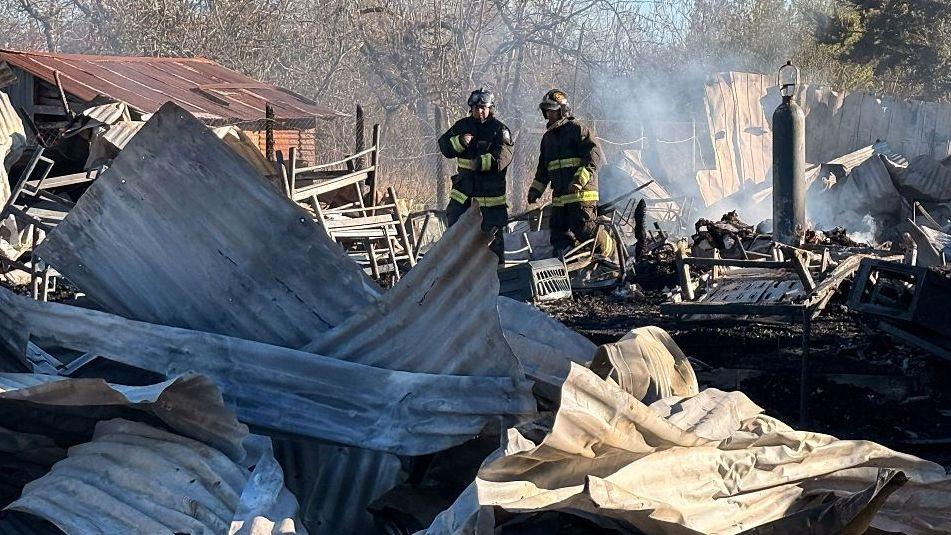
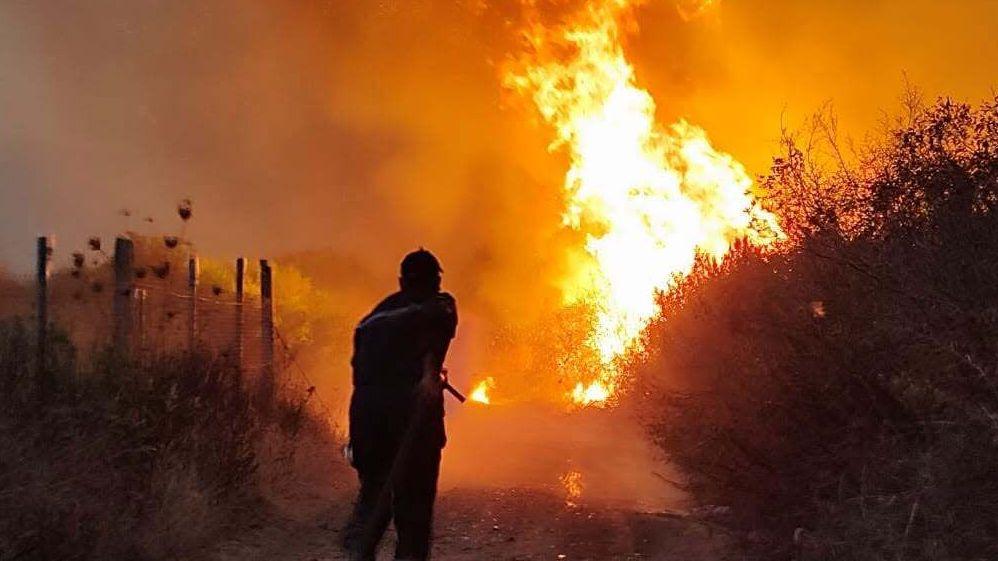
Two firefighting planes have been dispatched to the Paris region to tackle a large wildfire in the Fontainebleau forest, just south of the French capital. This is the first time such aircraft have been sent from the traditionally hotter region of southern France to guard the capital’s periphery.
The fire, described by officials as "virulent" and covering 800 hectares, spread rapidly around Monday morning—about 40 miles (60 km) from Paris—and temporarily shut down a major north‑south highway during the city’s first big weekend getaway.
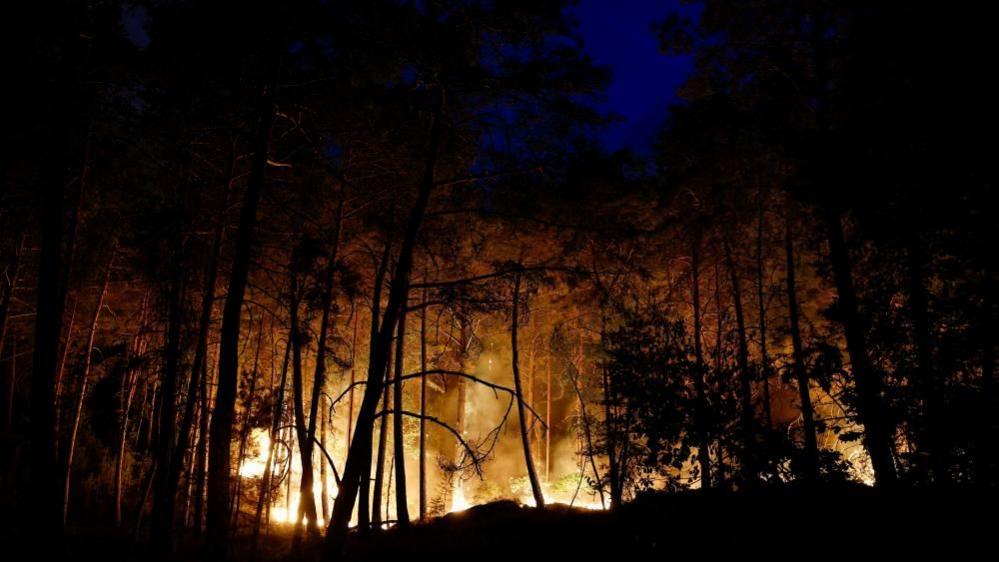
Firefighters also deployed two helicopters and an observation aircraft, pulling the fire’s spread and protecting nearby homes and infrastructure. The goal is to "save lives and property," chief of France’s national firefighters federation Eric Brocardi said.
The heatwave is the third this year in France, and bore record‑breaking temperatures across Europe, exacerbating fires in Spain where 13 people died in Almeria and in the UK where a wildfire in North Wales was declared a major incident.
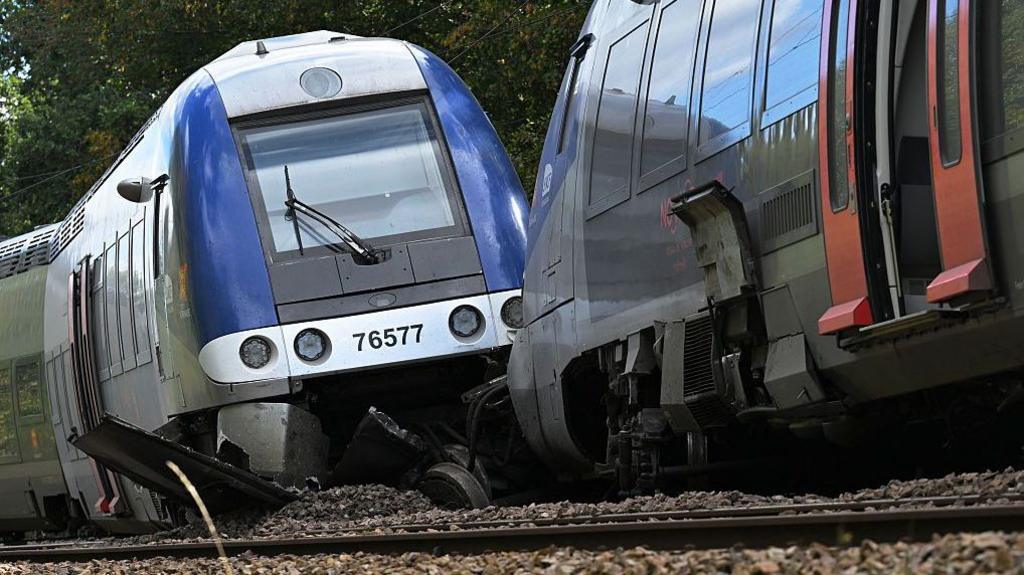
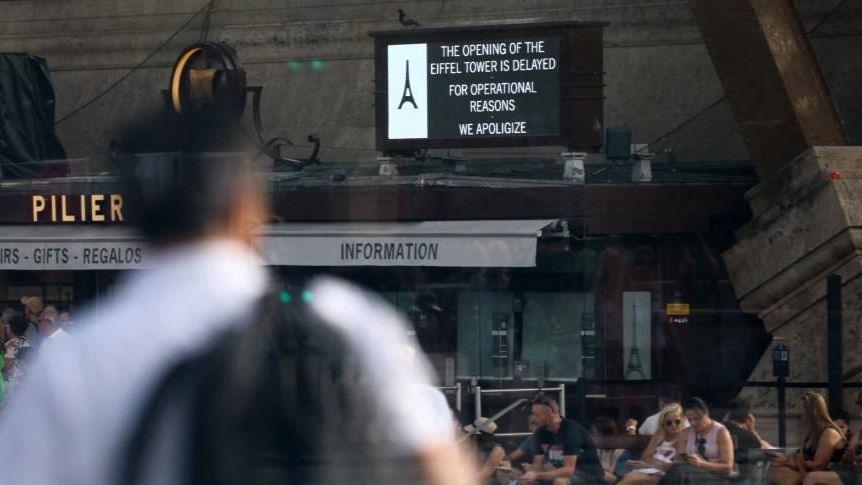
Infrastructure suffered too: a highway east of Paris was blocked, pushing train delays up to six hours at Gare de Lyon, while the summer pause of three nuclear power stations was triggered to prevent warm cooling water from harming overheated rivers.
This episode demonstrates how the climate crisis forces cities and authorities to adapt rapidly—to extend the use of aerial firefighting, modify sporting events like the Tour de France, and protect critical infrastructure, all while the threat of further heatwaves looms large.