In brief
Loneliness is a silent plight for many elderly Chinese, as illustrated by 91‑year‑old Yang who once contemplated euthanasia after her husband’s death. A small startup run by Wang Yingwei offers more than meals: it fixes appliances, delivers fresh water, and simply sits with her, cutting costs significantly compared to formal caregiving. This trend, dubbed the “loneliness industry,” has expanded rapidly, with figures estimating a market worth billions and operators now providing medical escorts, hiking guides and digital companionship. While the service model offers predictable support, it also raises questions about the commodification of human connection in a rapidly ageing society.
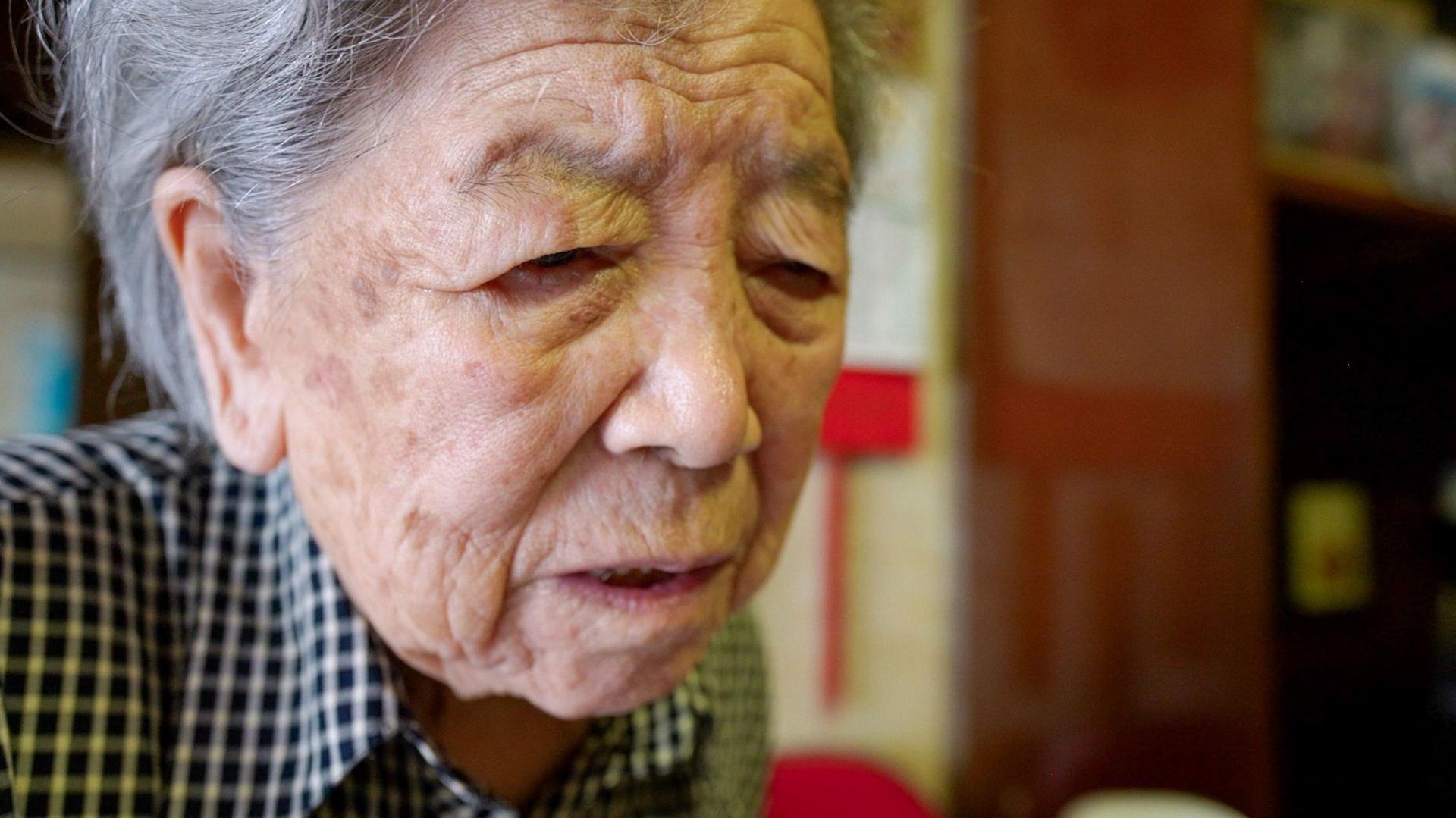
Loneliness has become a pressing social failure in China’s booming cities, where migration has frayed traditional support networks. Yang, 91, lives on the outskirts of Beijing and lost her husband just months ago. “Sometimes I would talk to the TV because I had no one else to talk to,” she says.
Yang’s tired eyes and failing glaucoma left her unable to open the air‑conditioner or even turn on the TV with her shaky hands, deepening her sense of isolation. In the wake of her husband’s death she even considered voluntary euthanasia, only to find such an option prohibited in China.
A small, electric‑scooter‑driven delivery team led by Wang Yingwei changed that. The team arrives twice daily with hot meals, but Wang explains that the “real service” lies in patching everyday problems: he replaces broken shower heads, installs a filtered water tank for cloudy tap water, and watches Yang’s AC work correctly.
“We see ourselves as community children,” Wang says. “We step into the shoes of older people and consider their needs carefully.” He charges less than half the cost of a traditional caregiver, allowing many seniors to stay home rather than moving to expensive nursing homes.
The market has grown beyond meals. Young people like Liu Yanyan, 23, work as “medical escorts,” accompanying clients through sprawling hospitals and ensuring they understand procedures. “Some customers are young migrants who feel awkward asking colleagues to join them to a doctor’s office,” Liu says. She can be the friendly face that removes the fear of navigating bureaucracy.
Another branch of the industry focuses on emotional support through outdoor adventures. Wang Zhoutao leads guided hikes up China’s famed Huangshan, cheering clients, taking photos, and providing companionship in a way that “keeps them from withdrawing into their own shells.”
While some experts praise this “human‑connection as a service” model for its predictability, others caution that commodifying companionship may distort genuine relationships. Yet for Yang, the presence of Wang and his team has eliminated the cold loneliness that once clouded her days. She now says, “It’s good to have someone around when you need it, someone you can share your innermost thoughts with.” She credits the service with a newfound sense of hope and safety.
Experts estimate the industry is worth billions, with little reliable data but support for growth, reflecting how modern Chinese lifestyles demand new forms of care. In a society where the elderly are repeatedly left behind by migration and urban expansion, the rise of paid companionship shows both a creative response to a social problem and the need for more robust, policy‑guided support systems.