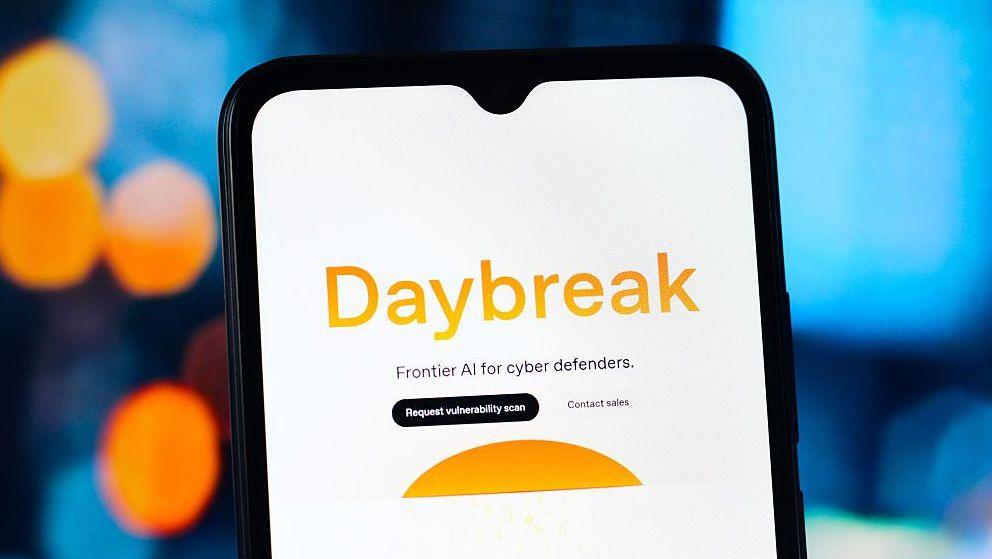
OpenAI has announced it will provide Ukraine with its AI-driven Daybreak cyber‑defence system free of charge, a move aimed at strengthening the security of critical civilian infrastructure.
With nearly 6,000 cyber‑attacks recorded in 2025, Ukraine’s national Computer Emergency Response Team (CERT‑UA) flagged the urgent need for advanced tools to shield hospitals, power plants and other essential services from digital threats. Daybreak rapidly identifies system vulnerabilities and offers actionable remediation steps, potentially cutting downtime and mitigating damage.
Under the agreement, Ukraine will also gain access to OpenAI’s latest GPT‑5.6 Sol model, a language AI designed to rival competitors such as Anthropic’s Mythos and Fable. The partnership highlights how AI can act as a force multiplier for nations under cyber pressure, according to security analysts who emphasize that NATO‑aligned defence budgets increasingly incorporate AI capabilities.
Reacting to the announcement, George Osborne, head of OpenAI for Countries, emphasized that protecting civilian infrastructure means fending off both physical and cyber attacks to keep residents connected to essential services. Cyber‑security expert Rafe Pilling noted that Russia’s offensive cyber operations remain a critical component of the Kremlin’s strategy against Ukraine, and that AI‑enhanced defence tools could intensify Ukraine’s resilience.
Jamie MacColl of the Royal United Services Institute remarked that Western tech firms have supported Ukraine for strategic and humanitarian reasons, and that AI‑encoded intelligence benefits both parties. He added that while Ukraine already uses AI from competitors like Google, the availability of Daybreak presents a unique, timely advantage given the scale of ongoing attacks.
The broader conversation around AI’s dual‑use underpins this cooperation. While AI can reinforce cyber‑defence, it also powers sophisticated offensive operations, as seen in the reported use of AI models to design “kamikaze” drones and to infiltrate government networks. Recent calls by U.N. Secretary‑General António Guterres and tech leaders at the General Assembly highlight the urgent need for regulation and responsible deployment of frontier AI models.