
In brief
The recent storms have left parts of Valencia unrecognizable, as communities begin to rally for recovery amidst devastation.
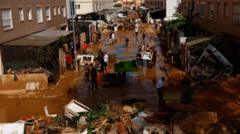
Spain is grappling with the aftermath of catastrophic flash floods that have resulted in more than 200 deaths and countless individuals still unaccounted for. Emergency services, alongside military units, are ramping up search and rescue operations in the most severely affected areas, while local residents begin the arduous task of debris cleanup and damage assessment.Amidst ongoing forecasts of more rain over the weekend, authorities have issued warnings for regions such as Huelva in the southwest, advising residents to remain indoors as dangerous conditions persist. These relentless downpours have transformed vibrant neighborhoods into scenes of chaos, with before-and-after images illustrating the horrifying impact of the flooding. In the hardest-hit area of Valencia, entire streets were inundated, leading to cars being swept away into streets, railways, and even tunnels, notably obstructing transportation and connectivity. Reports indicate that many of the fatalities occurred on congested roads, where individuals were caught off-guard while returning home from work—a stark reminder of how quickly nature can turn destructive.The flooding has been unprecedented, with Valencia city experiencing an entire year's worth of rain crammed into a mere eight hours. This deluge has not only overturned infrastructure but also rendered extensive sections of train tracks unusable, leading to a temporary suspension of rail services linking Madrid to Valencia as repairs commence. The visual aftermath of this disaster is staggering; satellite imagery reveals the transformative power of the floodwaters as they reshaped coastal towns and laid waste to the landscape. The road to recovery will be long and challenging, but the resilience of the affected communities shines through as they band together in the face of tragedy.



