
In brief
Delhi is grappling with severe air pollution, with air quality levels skyrocketing to dangerous thresholds. Despite decades of reporting on the crisis, from governmental negligence to public health emergencies, solutions have been ineffective, leaving citizens to endure the same grim reality year after year.
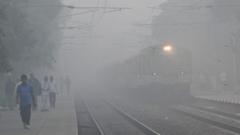
Delhi has once again succumbed to its annual smog crisis, a distressing annual cycle that engulfs the city in a hazy obscurity reminiscent of a dystopian narrative. With a thick blanket of visible smog reducing air quality scores to unprecedented levels of between 1,200 and 1,500, the situation is nothing short of alarming. The acceptable standard is under 100, emphasizing the severity of the conditions faced by residents.As winter approaches, the air hangs heavy with ash, prompting warnings for outdoor activities. Schools have shuttered while those under economic strain, including daily-wage workers and rickshaw pullers, face the harsh reality of needing to work despite the hazardous conditions. Hospitals report an uptick in patients suffering respiratory issues, but a palpable sense of déjà vu permeates the air as this narrative of pollution has been played out repeatedly within the last fifteen years.On social media, emotions run high as citizens express their frustration over yet another cycle of toxic air, a result of perennial government inaction. While activists and journalists have long documented the myriad sources of pollution, including crop burning in neighboring states and emissions from vehicles, the collective memory of past efforts never seems to catalyze enduring change.Rooted in economic and political complexities, the issue of pollution remains inadequately addressed, leaving city dwellers caught between an environmental disaster and systemic inertia. Seasonal measures, such as temporary bans on construction, provide little hope for a sustainable remedy.Experts emphasize the necessity of cooperation between federal and state governments to confront the pollution crisis proactively rather than reactively. Citizens must also play a role by holding their leaders accountable and advocating for long-term solutions that prioritize public health.With despair creeping back into the daily lives of residents, the urgent question remains: Can Delhi ever recover its blue skies, or are they fated to disappear behind another cloak of smog each winter? The harsh reality suggests without significant and unified action, the answer may continue to disappoint.


