New Finland–Sweden Rail Link Signals Sustainable Mobility Boost
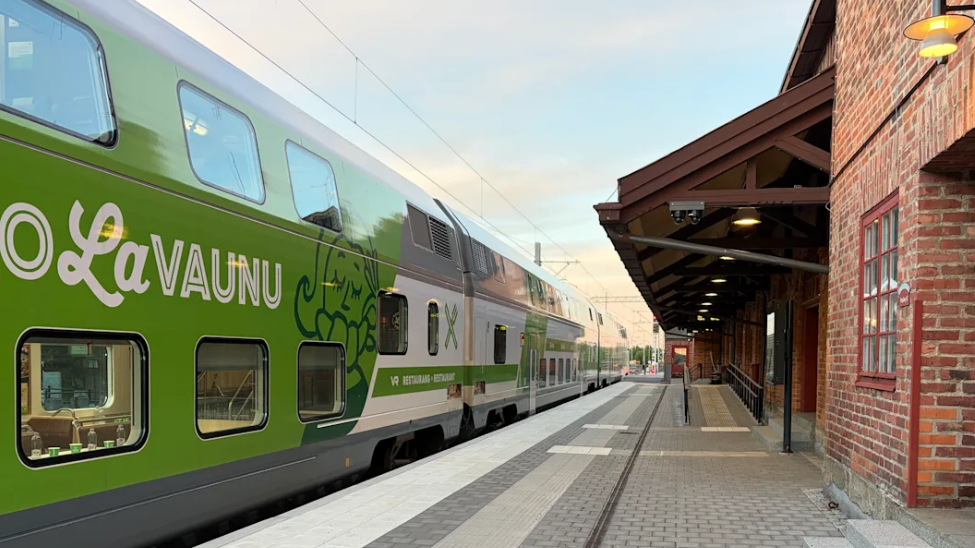
After decades of pause, a double‑decker passenger train has begun operating a twice‑daily route between Finland’s northern city of Oulu and the Swedish border town of Haparanda. The service, launched at 05:00 local time, travelled across the cold‑weather landscape, crossing the Turô river into Sweden where a crowd of locals waved flags in welcome.
The discontinuation of the line in the late 1980s and early 1990s was largely attributed to low passenger volumes and incompatible track widths. Finland historically uses a 1,520mm gauge—the Russian standard—while the rest of Europe runs on 1,435mm. The country is presently modernising its network to align with European specifications, thereby eliminating the technical barrier that had prevented cross‑border rail.
“The return of the cross‑border service shows cooperation between the two countries is growing all the time,” Finland’s transport minister said. VR chief executive Elisa Markula welcomed the revival, highlighting a renaissance in European rail travel and noting a steady increase in passenger numbers for the operator.
The new link opens up a greener travel corridor, allowing a 5,000‑kilometre journey by rail from Portugal’s Algarve to Finland’s northernmost station, Kolari, and providing a 24‑hour route between the capitals of Helsinki and Stockholm. Compared with road and air alternatives, the train delivers a markedly lower carbon footprint, underscoring the broader shift toward sustainable mobility across the continent.