In brief
Nebraska ranchers are grappling with a wildfire that destroyed 1,600 acres and a surge in steel, fuel and meat import costs that have rattled the local market. Rising tariffs on construction materials, a sudden 2026 beef import announcement and heating fuel prices increased operating costs by tens of thousands of dollars for many farms. While some keep their loyal Republican faith, others are re‑examining their political stance in light of economic strain. Innovative solutions—such as drought‑resistant forage, precision feed and carbon‑neutral energy—are emerging as a path to sustain the industry. The tensions highlight the need for policies that align economic subsidies with environmental resilience.
A Wildfire, War‑Driven Fuel Prices and Trump‑Era Tariffs Compound a Recipe for Crisis on Nebraska Ranches
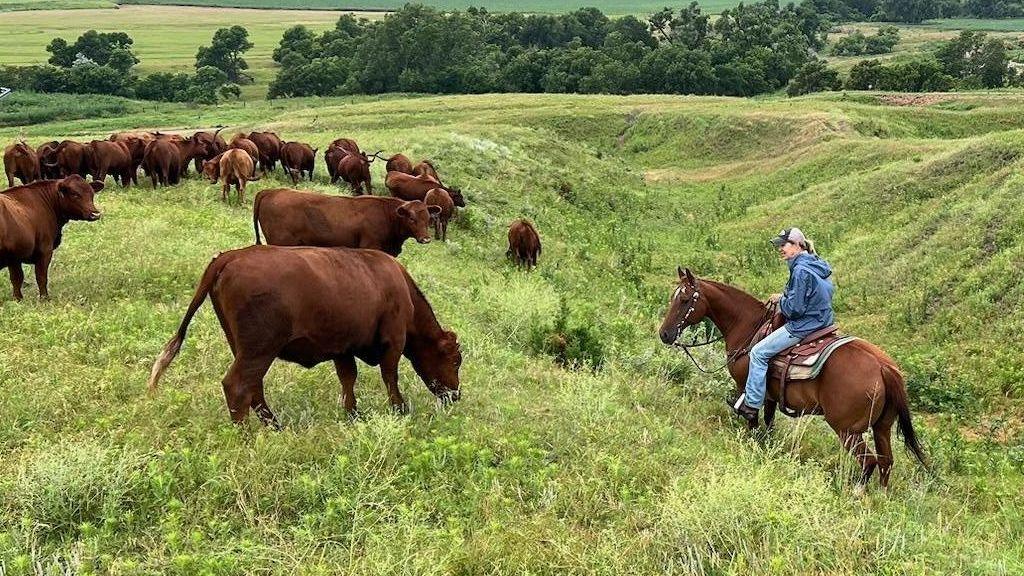
During the spring of 2026, an unexpected wildfire razed 1,600 acres of grazing land on Yvette Mannon’s Nebraska ranch. While her 300 cattle survived, the blaze left a $300,000 bill for rebuilding fences, and the cost of daily hay transport ballooned as diesel prices jumped more than 40% due to the Iran War.
Adding to the crunch, the Trump administration’s 2026 announcement to import 300,000 metric tons of duty‑free foreign beef slammed the domestic market, pushing cattle prices downward and tightening the economy for livestock producers.
"It felt like a betrayal," Mannon said, speaking to the toll of policies that once promised ‘Buy American’ prosperity.
The tariff on steel and lumber—enforced early in Trump’s term—added an extra $4.89 per foot in fencing costs, illustrating how trade policy can have a direct, destructive impact on farms. Meanwhile, the soaring fertiliser market, also driven by global supply chain strain, has been cited by many farmers as a silent budget killer.
Political Realignment On the Horizon
Nebraska has historically supported Donald Trump, yet the combination of high operating expenses and a perceived disconnect between farm needs and federal action has sparked a grassroots reevaluation. Independent candidate Dan Osborn is gaining traction, while other ranchers like Jake Wolfinger—who has contended with rising feed costs—continuously call for a ‘cut from the press of political interference’ while acknowledging he still sees Trump as a driver of national prosperity.
“People need to stay the hell out of farmers’ business,” Wolfinger said, underscoring a growing demand for business‑focused government.
Emerging Climate‑Smart Solutions to Offset Rising Costs
In the midst of the crisis, some Nebraska producers invest in innovative practices that promise long‑term savings. Drip‑irrigation systems, cover cropping to sequester soil carbon, and precision feeding reduce water usage and feed costs while improving animal health—strategies that align with global calls to reduce methane emissions from livestock. Policy proposals to subsidize such technologies could help families stay profitable without compromising environmental goals.
Nebraska continues to be a testament to farming resilience; even as market realities shift, the urgency to integrate environmental stewardship into the business model grows sharper. The community’s story is a microcosm of the U.S. agricultural sector: production tied to policy, price, and the imperative to embrace sustainable practices to safeguard both livelihoods and the planet.