NATO Summit Divides: Unity in Question Amid Trump’s Tensions
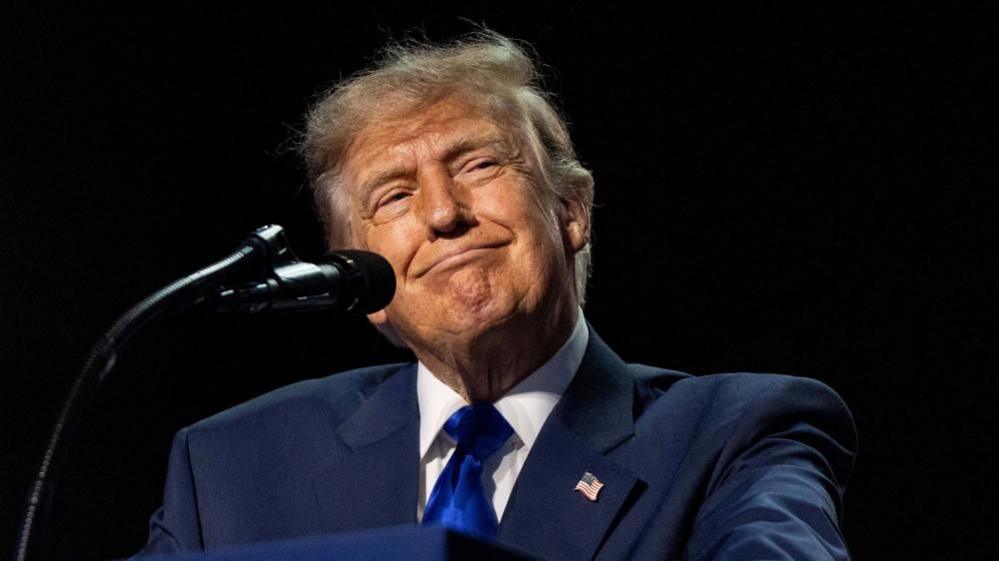
During a key session in Istanbul, NATO Secretary‑General Mark Rutte insisted that the alliance remains united, countering criticism from U.S. President Donald Trump, whose tweets often contain "verbal grenades."
British reporter Frank Gardner took the issue further, asking whether the alliance can truly call itself unified when the United States publicly undermines collective decisions. He linked the debate to wider geopolitical tensions, mentioning Russia’s war in Ukraine and conflicts across the Middle East.
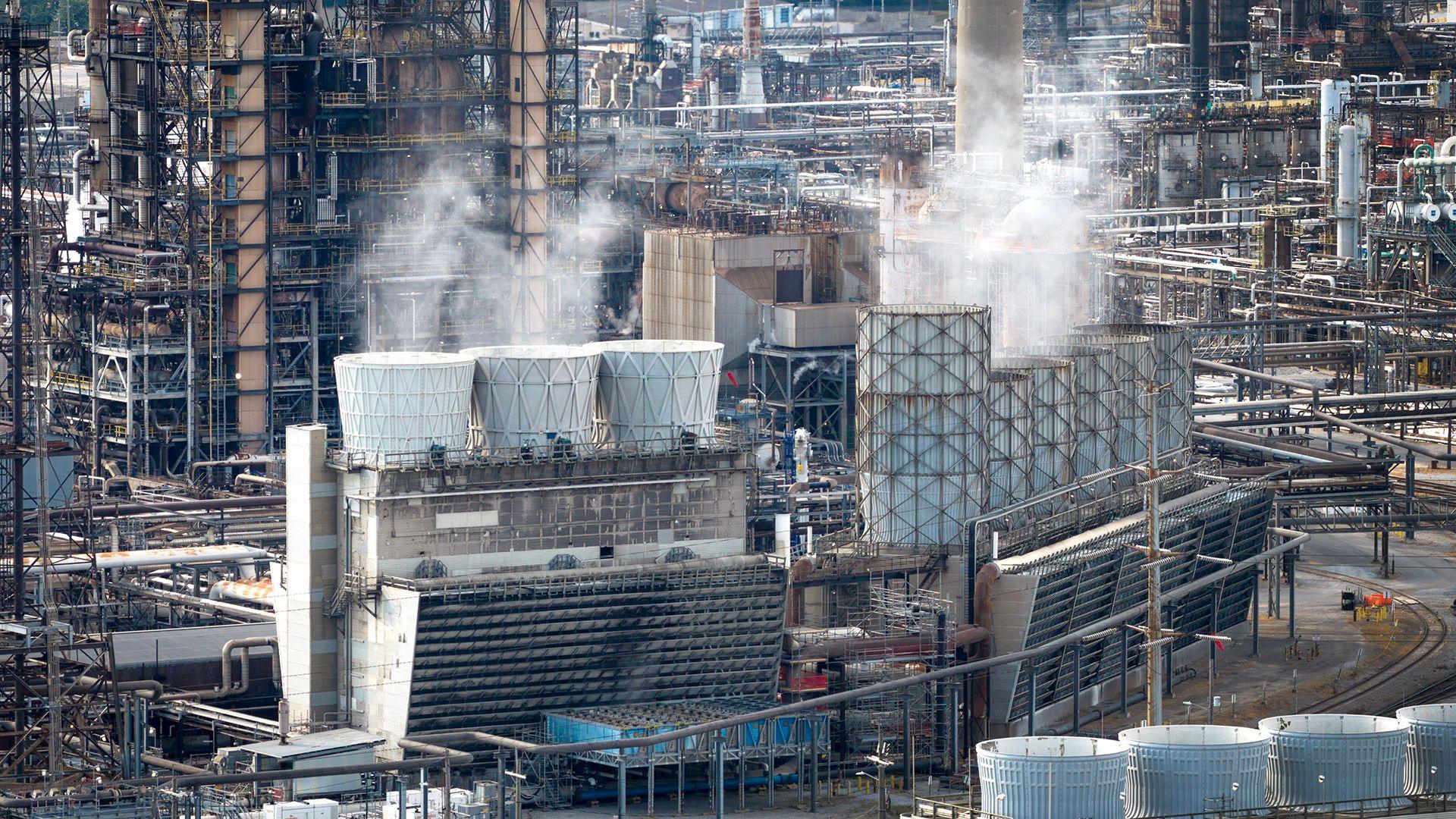
The summit’s backdrop underscores the importance of coordinated security responses for the future, especially as climate change intensifies conflict risk zones. NATO’s new strategy includes a plan targeted at securing energy and ensuring resilient infrastructure for member states.
The discussion highlighted a growing consensus that military cooperation cannot ignore environmental threats, and that unity is vital to tackle shared security challenges—political, societal, and environmental.
In conclusion, the NATO leaders remain prepared to address global threats while the alliance questions its own cohesion amid strong anti‑Alliance rhetoric. The path forward will require real cooperation and transparency, both for geopolitical stability and sustainable futures.