
In brief
New York City has officially launched the first congestion charge scheme in the United States, requiring drivers to pay fees for entering peak traffic zones. Governor Kathy Hochul advocates for the initiative, while opposition mounts from notable figures, including Donald Trump, as the city seeks to alleviate severe traffic congestion and support public transit.
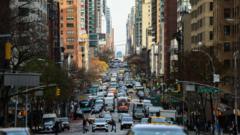
New York City has embarked on a historic move to tackle traffic congestion by implementing the first congestion charge scheme in the United States. This initiative requires car drivers to pay up to $9 (£7) a day, with differing rates for larger vehicles entering a designated congestion zone that encompasses areas south of Central Park, including prominent landmarks like the Empire State Building and Times Square.The city's plan aims to alleviate its notorious traffic challenges while raising substantial funds to enhance its public transport infrastructure. Despite its potential benefits, the congestion charge faces opposition from various quarters, most notably from Donald Trump, a prominent resident of New York City, who has pledged to dismantle the scheme upon reclaiming office. In addition, local Republicans have urged him to take action against what they deem "this absurd congestion pricing cash grab."Governor Kathy Hochul, who initially proposed the congestion charge two years ago, experienced delays and revisions to the plan due to complaints from commuters and business owners. The restructured initiative reintroduces elements from a previously paused scheme, aiming to balance the needs of New Yorkers amidst concerns of unintended consequences.Under the new charging structure, the majority of drivers will incur a $9 fee per day during peak periods, while off-peak hours will see a reduced charge of $2.25. Smaller trucks and non-commuter buses face a fee of $14.40 during high traffic times, and larger trucks along with tourist buses are charged $21.60.In a recent legal development, a last-minute request by New Jersey state officials to block the congestion charge, citing environmental concerns, was denied by a judge. This comes after New York City was labelled the most congested urban area worldwide for the second consecutive year by INRIX, highlighting the urgent need for traffic solutions as vehicles in downtown Manhattan averaged speeds of only 11mph (17km/h) during peak morning hours last year. As New York embarks on this ambitious and contentious approach to solving its traffic dilemmas, the outcome remains to be seen—will this pioneering congestion charge effectively reduce congestion and enhance public transport, or will the opposition overshadow its intended benefits?

