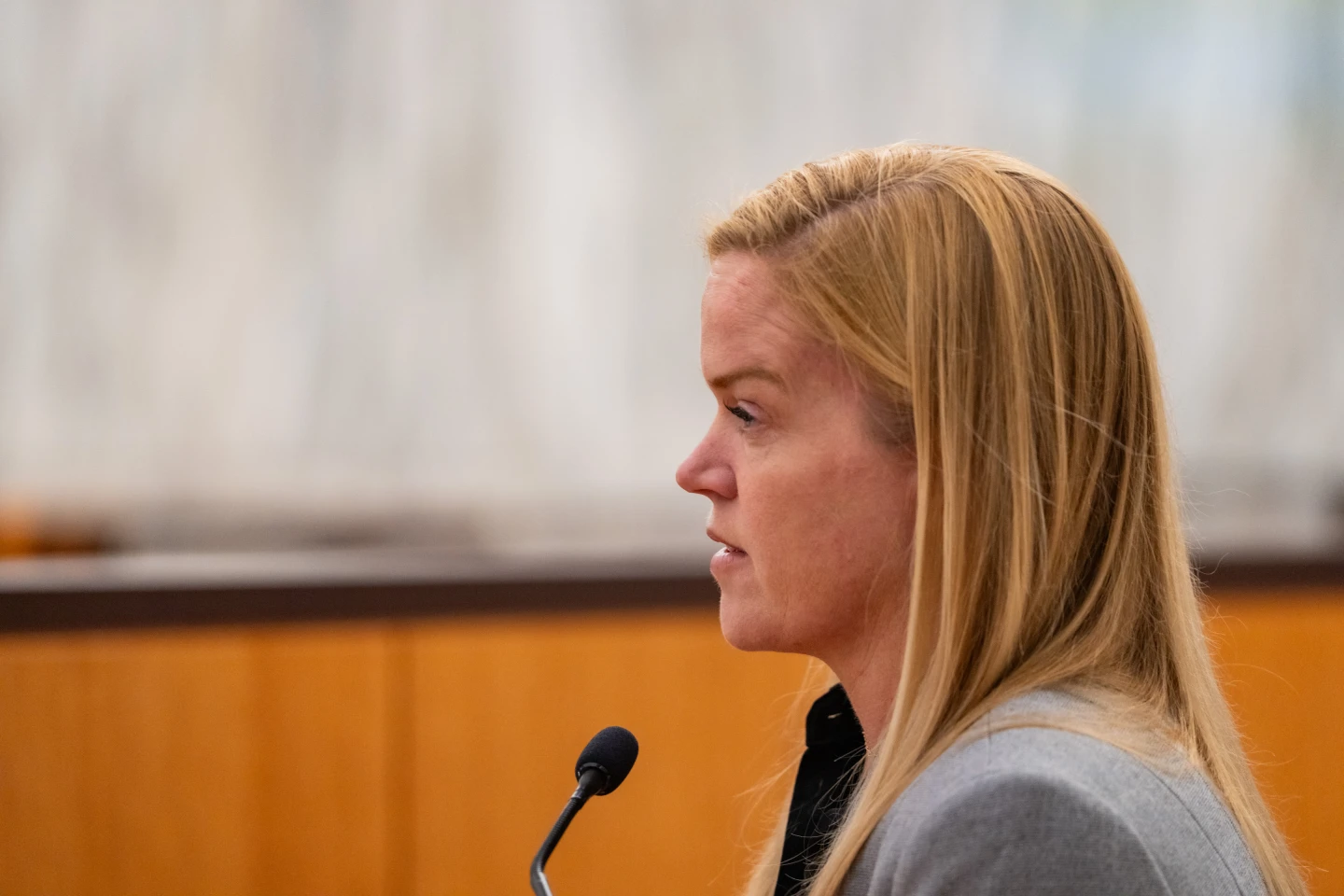
BOSTON (AP) — Massachusetts’ highest court heard oral arguments Friday in the state’s lawsuit arguing that Meta designed features on Facebook and Instagram to make them addictive to young users.
The lawsuit, filed in 2023 by Attorney General Andrea Campbell, alleges that Meta did this to make a profit and that its actions affected hundreds of thousands of teenagers in Massachusetts who use the social media platforms.
“We are making claims based only on the tools that Meta has developed because its own research shows they encourage addiction to the platform in a variety of ways,” said State Solicitor David Kravitz, adding that the state’s claim has nothing to do with the company’s algorithms or failure to moderate content.
Meta said Friday that it strongly disagrees with the allegations and is “confident the evidence will show our longstanding commitment to supporting young people.” Its attorney, Mark Mosier, argued in court that the lawsuit “would impose liabilities for performing traditional publishing functions” and that its actions are protected by the First Amendment.
Several of the judges, though, seemed more concerned about Meta’s functions such as notifications than the content on its platforms.
“I didn’t understand the claims to be that Meta is relaying false information vis-a-vis the notifications but that it has created an algorithm of incessant notifications ... designed so as to feed into the fear of missing out, FOMO, that teenagers generally have,” Justice Dalila Wendlandt said. “That is the basis of the claim.”
Meta is facing both federal and state lawsuits claiming it knowingly designed features — such as constant notifications and the ability to scroll endlessly — that addict children. Critics argue that the company has not done enough to address public concerns about teen safety and mental health.
As the case unfolds, the results could reshape the environmental landscape of social media engagement with young audiences.