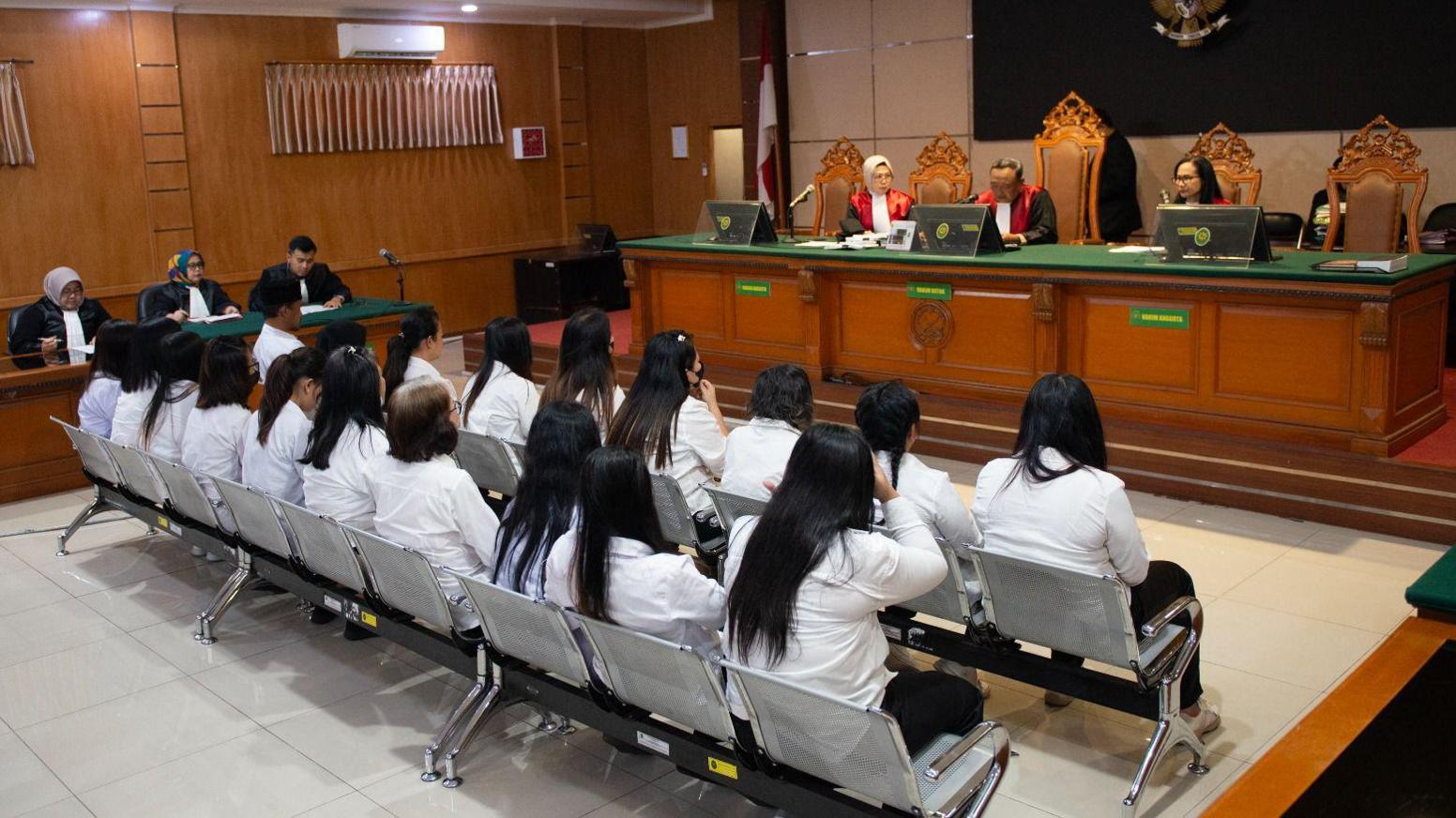
Luxury Living Inside a Prison Sparks Climate‑Smart Design Debate
A surprise audit by the Indonesian Ombudsman at Cibinong Prison in Bogor, West Java, uncovered apartment‑like units just outside the main detention blocks. The residences appeared to house inmates in a setting that feels more like an upscale condo than a correctional facility.
The discovery has sparked a debate on the environmental footprint of prisons. Large institutions consume significant electricity, water and produce substantial waste—yet the Cibinong case shows luxury amenities coming with a high carbon cost. It also opens a conversation about how prison environments could become models for sustainable living.
Why It Matters for Climate
Prisons rank among the world’s large energy users per capita. Turning their infrastructure into low‑footprint spaces can cut emissions by:
- Installing solar panels on roofs and unused land to cover heating, lighting and security systems;
- Implementing greywater recycling for toilets and showers, reducing freshwater demand;
- Creating community gardens to grow food, provide green space, and educate inmates about regenerative agriculture;
- Re‑engineering buildings with high‑performance insulation and windows to lower heating and cooling loads;
- Adopting waste‑to‑energy or composting programs that source both municipal and inmate-produced waste.
Social Justice Meets Environmental Innovation
The luxury style uncovered at Cibinong starkly contrasts with the notion of re‑education. But re‑imagining prisons as learning hubs for sustainability can aid rehabilitation: inmates gain skills in green technologies, waste management and sustainable agriculture—all skills that translate to employment after release.
It also prompts policymakers to rethink the purpose of incarceration. “Prison should be a place where individuals contribute to society, not a space that adds to the climate burden,” says a prison reform advocate.
What’s Next for Cibinong and Similar Facilities?
The Indonesian Ombudsman has pledged to review facility design, aiming to replace luxury with environmental responsibility. Over the next decade, other prisons in the region may adopt a similar blueprint: low‑carbon infrastructure, waste reduction, and education programs that help break the cycle of crime and neglect.
If successfully implemented, these measures could reduce Indonesia’s prison carbon footprint by an estimated 30 % by 2035, while strengthening internal economies and providing inmates with purposeful work.
For the global community, the Cibinong case is a reminder that even the most unlikely arenas—prisons—can become arenas for climate action and sustainable development.