Libya’s Gunfire Devastates Oil Refinery, Fueling Climate Risk
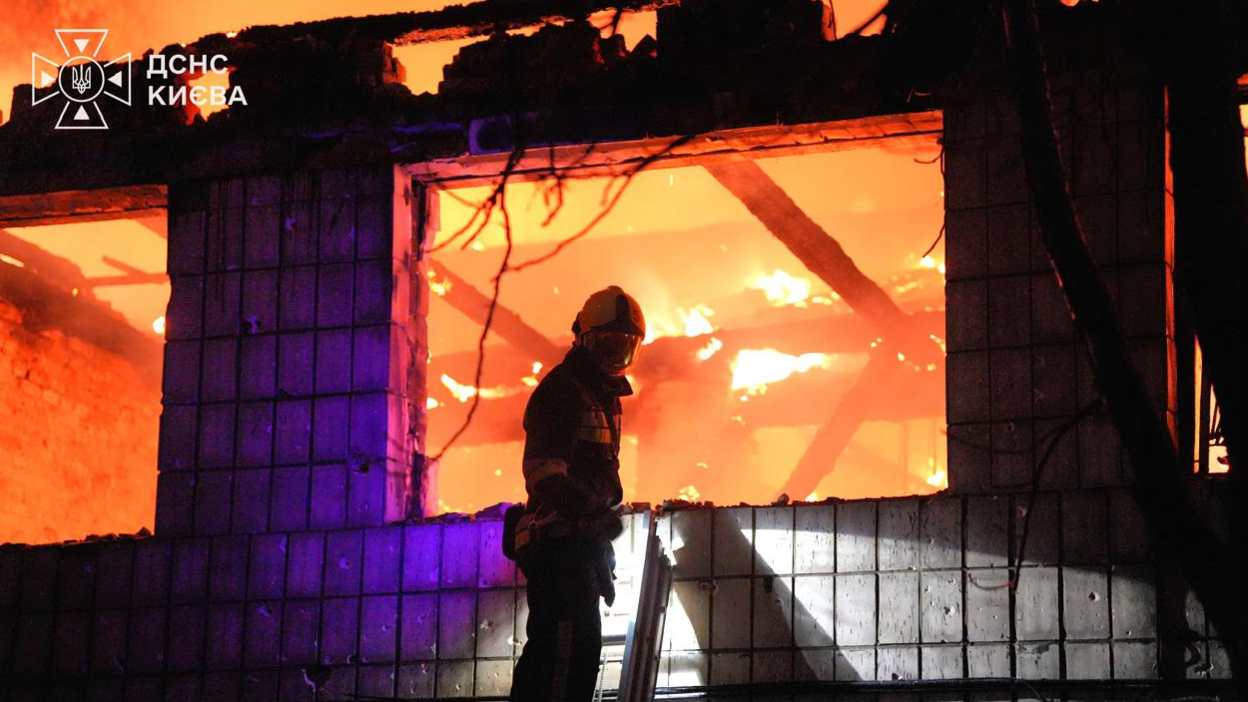
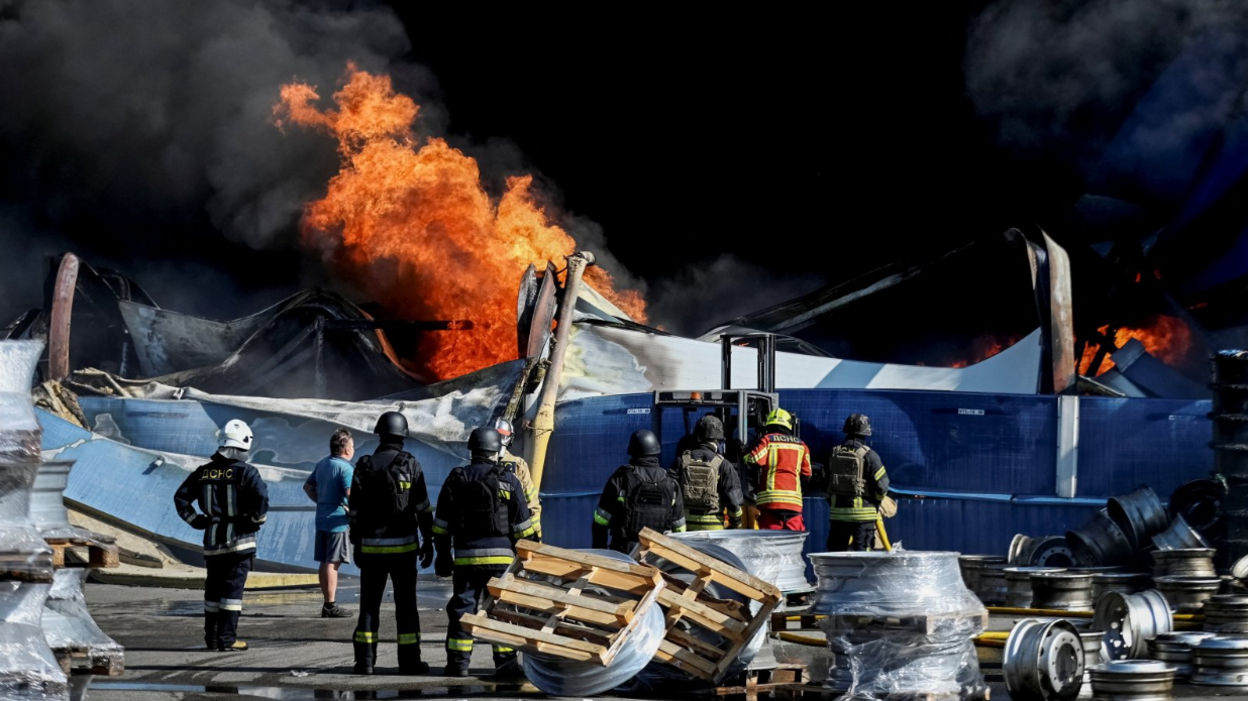
The Zawiya refinery, Libya’s main oil plant, was hit by a drone strike last week, igniting a blaze that threatened to collapse a 4.5‑million‑litre fuel tank and stall production.
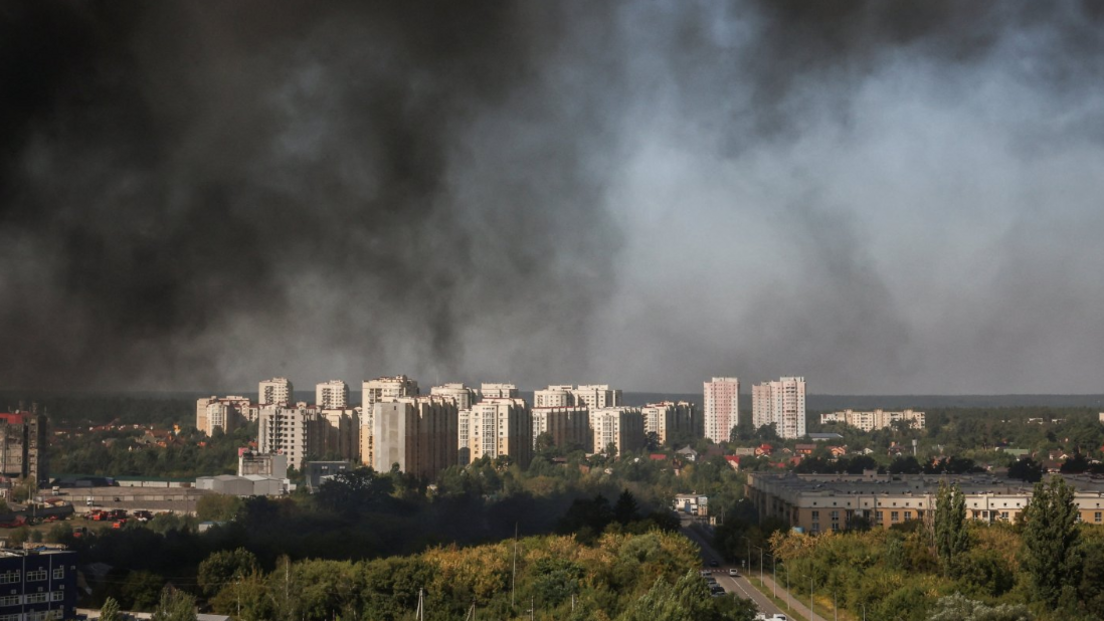
With no serious injuries reported, the fire still released thousands of tonnes of carbon dioxide, underscoring how fragile fossil fuel infrastructure is amidst regional conflict and how such events aggravate climate pressures.
The National Oil Corporation warned it may halt operations if attacks continue, a move that could tighten fuel supplies for the region and accelerate calls for resilient, low‑carbon alternatives.
The incident highlights the intersection of political instability, energy security, and climate risk – a convergence that requires stronger safeguards for critical infrastructure and a swift transition to renewable energy.
Scientists and activists note that every blast of gasoline adds to atmospheric CO CO2, while ongoing wars distract attention from the global shift away from oil.