In brief
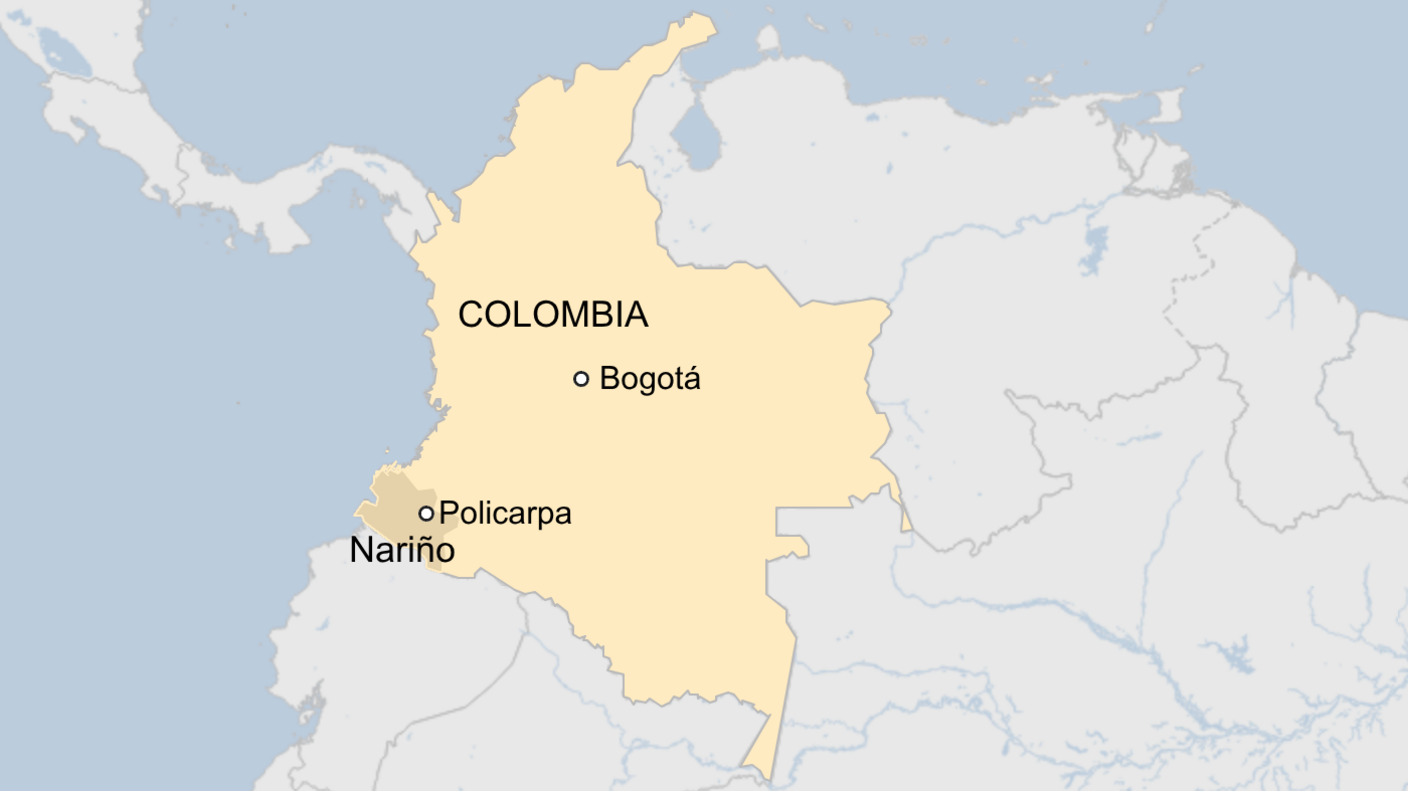
At least thirteen miners lost their lives in a landslide at an unlicensed gold mine in Policarpa, Nariño province, and seven others were injured. The incident, which began with an explosion, underlined the hazardous conditions present in unregulated artisanal mining, especially in remote indigenous communities. With up to 400,000 people engaged in such operations across Colombia, the tragedy brings a stark reminder of how lack of regulation, unsafe practices and environmental pressures combine to threaten both people and the landscape. The incident underscores the urgent need for safer mining protocols, better community protection, and sustainable practices that balance economic needs with environmental stewardship.
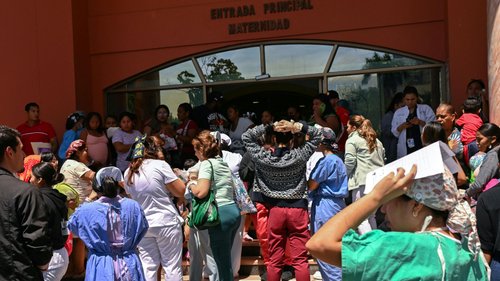
In a tragic afternoon on March 2, an explosion at the open‑air artisanal gold mine in Policarpa, Nariño province, released a deadly landslide that buried 13 miners, including members of one indigenous family.
Rescue crews, aided by heavy diggers, recovered the victims while seven others sustained injuries. The magnitude of the event highlights the acute risks associated with unlicensed mining operations, where safety measures and environmental safeguards are rarely enforced.
Unregulated artisanal mines in Colombia are a common source of livelihood for an estimated 200,000 to 400,000 miners, many of whom rely on harvesting precious metals to support their families. Yet the lack of oversight often leads to hazardous working conditions and environmental degradation, including the use of mercury and other pollutants that contribute to climate change and health risks.
The loss of life and the potential ecological impacts call for urgent measures:
- Implement strict regulatory frameworks to enforce safety standards in artisanal mining.
- Promote the adoption of mercury‑free and environmentally friendly gold processing techniques.
- Engage local and indigenous communities in monitoring and decision‑making processes to protect their rights and the ecosystems they depend upon.
- Support alternative livelihoods that reduce reliance on hazardous mining practices.
The Policarpa disaster serves as a painful reminder that the quest for precious metals must not eclipse the safety of workers or the integrity of the environment. By integrating sustainable mining practices and robust oversight, Colombia can ensure that its rich natural resources are harnessed responsibly, safeguarding both its people and its planet.