Kyushu Quake Highlights Need for Climate‑Resilient Infrastructure in Japan
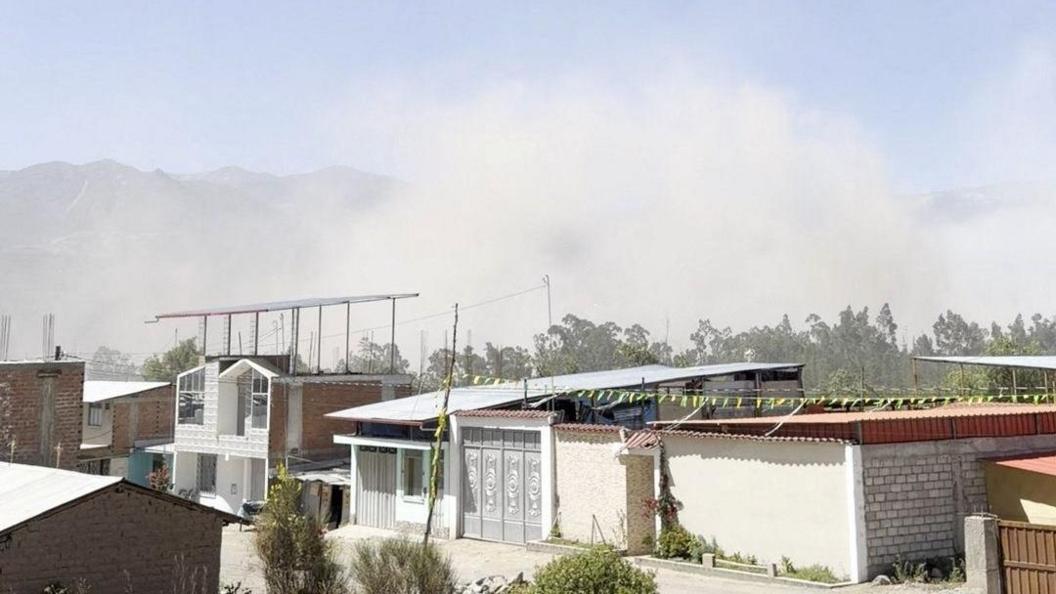
On 28 July, a 7.2‑magnitude earthquake ripped through Kyushu, Japan, forcing a mass evacuation of more than 150,000 residents. The tremor caused widespread power outages, shuttered roads, and even brought down part of a centuries‑old castle wall.
In the Kumamoto prefecture, a chimney collapsed at a local paper factory, resulting in multiple casualties and a number of missing people. Additionally, a footbridge that supports traffic to remote villages was destroyed, cutting off vital access for communities dependent on sustainable transport networks.
More than 40,000 households are still without power, exacerbating heat stress and raising concerns about the resilience of Japan’s aging grid amid rising sea levels and increasing meteorological extremes.
The quake underscores how traditional construction must evolve. Experts point to seismic retrofitting of historic buildings, the integration of green roofs to absorb shock waves, and the use of low‑carbon, high‑durability materials for critical infrastructure. Long‑term solutions include expanding underground power lines and reinforcing flood‑resistant roads to shield communities from secondary disasters.
As climate change amplifies seismic risks, Japan’s response offers a blueprint for integrating resilience into regional planning, fostering safer, more sustainable communities worldwide.