
In brief
Dmytro Sherembey and others voice concern as funding cuts threaten essential healthcare in Ukraine and Afghanistan amid political turmoil.
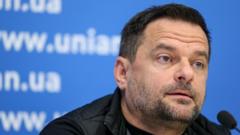
"I'm alive today because of USAID," says Dmytro Sherembey, a representative of 100% Life, Ukraine’s leading patient organization for those living with HIV. For over two decades, Sherembey has dealt with the realities of HIV, and he credits USAID with significantly contributing to the fight against the virus in Ukraine. “Every second individual living with HIV in our country has been identified due to this program,” he emphasizes. However, as political winds shift, the future of USAID hangs in the balance. With the recent actions by former President Donald Trump revoking foreign aid as part of a 90-day review, uncertainty surrounds this pivotal lifesaving agency. Trump labeled USAID as run by "radical left lunatics" and accused them of “addressing only fraud,” though he provided no substantiating evidence for these claims. The situation grew more dire after the full-scale invasion by Russia in 2022, which targeted HIV medication warehouses in Ukraine. This devastation made USAID’s rapid response increasingly essential for providing the necessary treatment on the ground. Sherembey warns, “USAID is a reflection of how the American people offer assistance, yet this aid hangs by the thread of a single decision.” With a work force of about 10,000 and an annual budget nearing $40 billion, USAID facilitates numerous projects worldwide—from food relief to health care. Recently, protests erupted in Washington, DC, spotlighting public concern regarding impending funding cuts. The implications of a halt to USAID operations extend across the globe. In Afghanistan, the agency is a crucial contributor to maternal and child health, with reports of decreased support leading to health professionals being put on leave. A doctor connected to USAID-funded initiatives lamented, “If funding ceases, women may deliver at home, increasing mortality rates.” Similarly, in Iran, USAID funding has empowered NGOs to protect dissenters from oppressive government oversight. An activist reported that potentially life-saving strategies could be halted if funding is discontinued, increasing the risk for many activists facing regime reprisal. Additionally, many students, such as Mohamed Ashraf in Egypt, find their academic futures in jeopardy as funding suspensions raise doubts about scholarships. “I was once hopeful, but this uncertainty is darkening my prospects,” he shared. The Trump administration’s criticism of USAID stems from a long-standing opposition to overseas spending, accusing the agency of inefficiency. Whether Trump can completely dismantle USAID remains uncertain. It would likely take a Congressional action to merge USAID with the Department of State, as claims have surfaced regarding an administration intention to oversee these vital functions. For Sherembey and others relying on USAID’s support, the stakes are painfully high. “Without this vital medication, survival becomes an impossible task,” he states. “In Ukraine, we stand on the brink of returning to a time where access to treatment becomes an impossible challenge, reversing the progress we’ve made.” As funding remains in flux, vulnerable individuals face an uncertain future, with their lives hanging in the balance.

