In brief
Voters in the Republic of Ireland, including many in County Donegal, express growing frustration over healthcare accessibility, housing crises, and rising living costs, despite the country boasting a substantial budget surplus and being labeled one of the wealthiest in the world. As the general election approaches, the disconnect between government claims of success and the reality faced by citizens poses significant challenges for the incumbent parties.
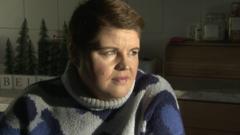
As the polls prepare to open in the Republic of Ireland’s general election, the juxtaposition of economic prosperity against public sentiment remains stark. Voters, like Emma—an overwhelmed mother from County Donegal—share a collective anxiety regarding inadequate medical care for their children, with Emma's own experiences highlighting a healthcare system burdened by lengthy waiting lists. Her 16-year-old daughter’s struggles to access timely specialist care encapsulate a growing disappointment among the electorate; "I hear we are one of the richest countries in the world, but I don't see it," she tells the BBC.The nation’s outgoing Finance Minister Jack Chambers recently touted a budget surplus of €25 billion owing to a significant tax windfall, expecting that households would find relief in energy bills with a promised payment of €250. However, as local journalist Áine Ní Bhreisleáin notes, many voters feel disconnected from this narrative of national wealth. Rising living costs and struggles to find housing underscore a disconnect between the government’s fiscal success and daily life experiences in regions like Donegal.Characterized by rugged beauty, Donegal presents unique challenges as a political constituency. Its scale complicates canvassing, leading to feelings of neglect among residents, who express a sense of being left behind amidst national discourse. Áine points to critical infrastructure deficiencies and severe health service access issues, with many constituents voicing frustrations over the crumbling housing infrastructure caused by defective Mica blocks.Amid this tumult, immigration has also emerged as a pressing concern, with the county experiencing a notable influx of asylum seekers. Local radio host Greg Hughes captures voter sentiment well, remarking on the perceived preference for newcomers over long-standing community issues that remain unresolved.Residents, such as Margarite, draw attention to the disconnect between soaring national wealth and their day-to-day struggles. "I think there's a gap between the wealth in the country and the people on the ground," she expresses, reflecting a sentiment that resonates deeply across rural Ireland. As the election looms, the government coalition of Fine Gael, Fianna Fáil, and the Green Party contends with the rising popularity of Sinn Féin, which aspires to become the leading party for the first time in its history. The stakes have never been higher, as the next government will need to address these deep-seated issues if it wishes to prove that the bountiful economy translates into meaningful change for the electorate.