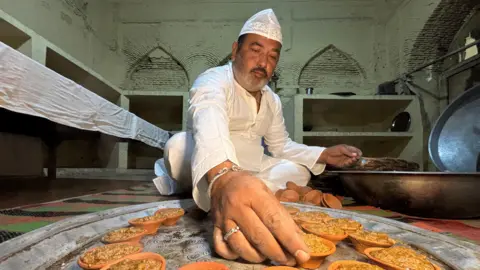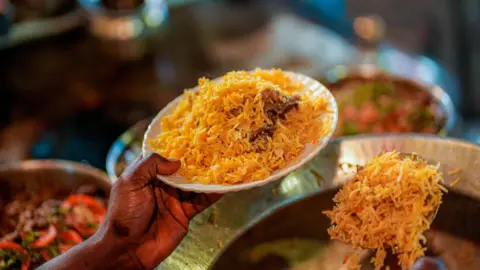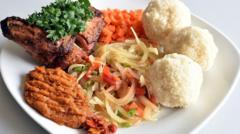
Ivory Coast's cherished delicacy, attiéké, has recently been honored with UNESCO's intangible cultural heritage status, solidifying its significance beyond mere sustenance. Pronounced "atchekay," attiéké is a traditional dish made predominantly from fermented cassava flour, often referred to as "Ivorian couscous." A staple at breakfast, lunch, and dinner, attiéké pairs perfectly with grilled fish, celebrating the coastal roots of this time-honored food that has proliferated across West Africa over the centuries.
Representing the essence of Ivorian culture, the UNESCO recognition was announced at the 19th session dedicated to safeguarding intangible cultural heritage held in Paraguay, where Ivory Coast's delegate, Ramata Ly-Bakayoko, emphasized the dish's integral role in the daily lives of its people. Events such as weddings, baptisms, and funerals frequently feature attiéké, making it a significant aspect of ceremonial life.
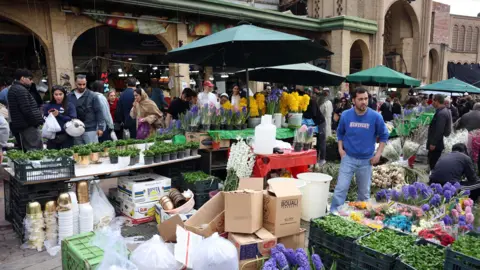
The preparation of attiéké is traditionally the realm of women and girls, offering them a means to economic independence. The multi-step process involves peeling, grating, fermenting, and steaming cassava, showcasing the skills that have also earned recognition on the UNESCO heritage list. Once prepared, attiéké is typically sold in local markets, contributing to community livelihoods. The importance of passing down these culinary traditions from mothers to daughters emphasizes attiéké's role as a cultural cornerstone for Ivory Coast.
UNESCO's inclusion of attiéké highlights the urgency of preserving traditional practices at risk of fading away. This recognition not only celebrates the dish's impact on local identity but also acknowledges its contribution to human heritage. Interestingly, attiéké has been a source of contention in the region; a notable incident occurred in 2019 when an award was presented to a foreigner using the name of this beloved dish, causing a stir among Ivorians.
In response to internationally recognized culinary rights, the African Regional Intellectual Property Organization has initiated steps to protect the name "attiéké," ensuring that only cassava products from Ivory Coast can bear this identifier, akin to the regulations governing the usage of "champagne." As attiéké continues to be a symbol of cultural pride and economic empowerment, its new status is a testament to the power of food as a vessel for identity and heritage.