
In brief
In a significant political shift, Donald Trump emerged victorious in the recent election, gaining notable support from Latino voters who historically leaned Democratic. With heightened appeal among various demographics, Trump's coalition, including white working-class voters and younger Americans, was instrumental in winning back crucial states previously held by Democrats.
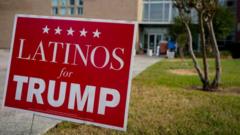
In an election that turned expectations on their head, Donald Trump not only secured a significant victory over Kamala Harris but also altered the traditional Democratic stronghold among Latino voters. According to recent exit polls, Trump witnessed an impressive 14 percentage-point increase in Latino support compared to his 2020 candidacy. States such as Pennsylvania, Michigan, and Wisconsin served as pivotal battlegrounds for this dramatic shift, showcasing features of an emerging electoral landscape.Trump's success was particularly evident in Pennsylvania, where he captured nearly 42% of the Latino vote, a substantial jump from 27% in the last election. This rise is attributed to various factors, including the economic discord many faced amid soaring inflation, which resonated deeply in communities reliant on everyday affordability. “Out here, you pay $5 for a dozen eggs. It used to be $1,” remarked Samuel Negron, a Pennsylvania state constable of Puerto Rican descent. Such sentiments drove home the message that, for many Latinos, the Republican Party's stances on family values and economic stability began to align more closely with their interests.The traditional Democratic base in these regions, often defined by urban Latino populations, saw some voters gravitate toward Trump's hardline immigration policies. Venezuelan-American activist Daniel Campo noted that Trump's warnings of "creeping socialism" echoed his reasons for emigrating to the U.S. “I came the right way,” he emphasized, reflecting a growing sentiment among Latinos concerned about immigration control and border security during the Biden administration.The impact of this political realignment was further felt in Michigan, where Trump, having lost by 85,000 votes in 2020, reclaimed leadership through increased support from working-class voters in both suburban and rural areas. Quotes from local voters highlighted concerns over rising interest rates as critical factors influencing their decisions—issues that Democrats struggled to effectively address amidst the national discontent related to economic management, particularly in post-COVID recovery.Experts across the political spectrum note that the Democrats' inability to resonate with blue-collar voters, especially amid perceptions of consistently rising prices, played a crucial role in their election loss. As the 2024 landscape draws close, the significance of embracing diverse coalitions and addressing the real-life economic challenges of constituents will only escalate, paving the way for an evolving political narrative.
