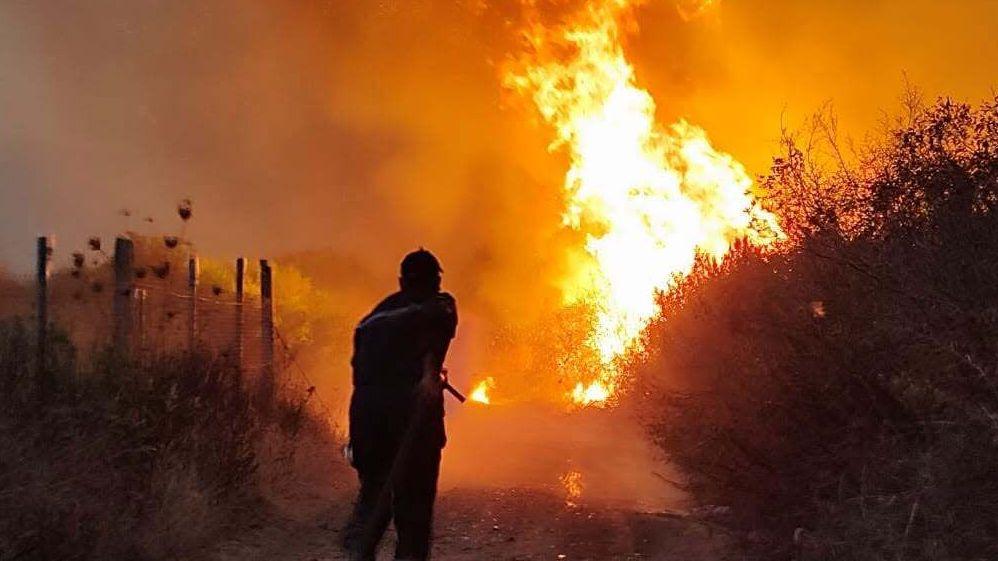
Indonesia’s Wildfire Smog: A Growing Health Emergency
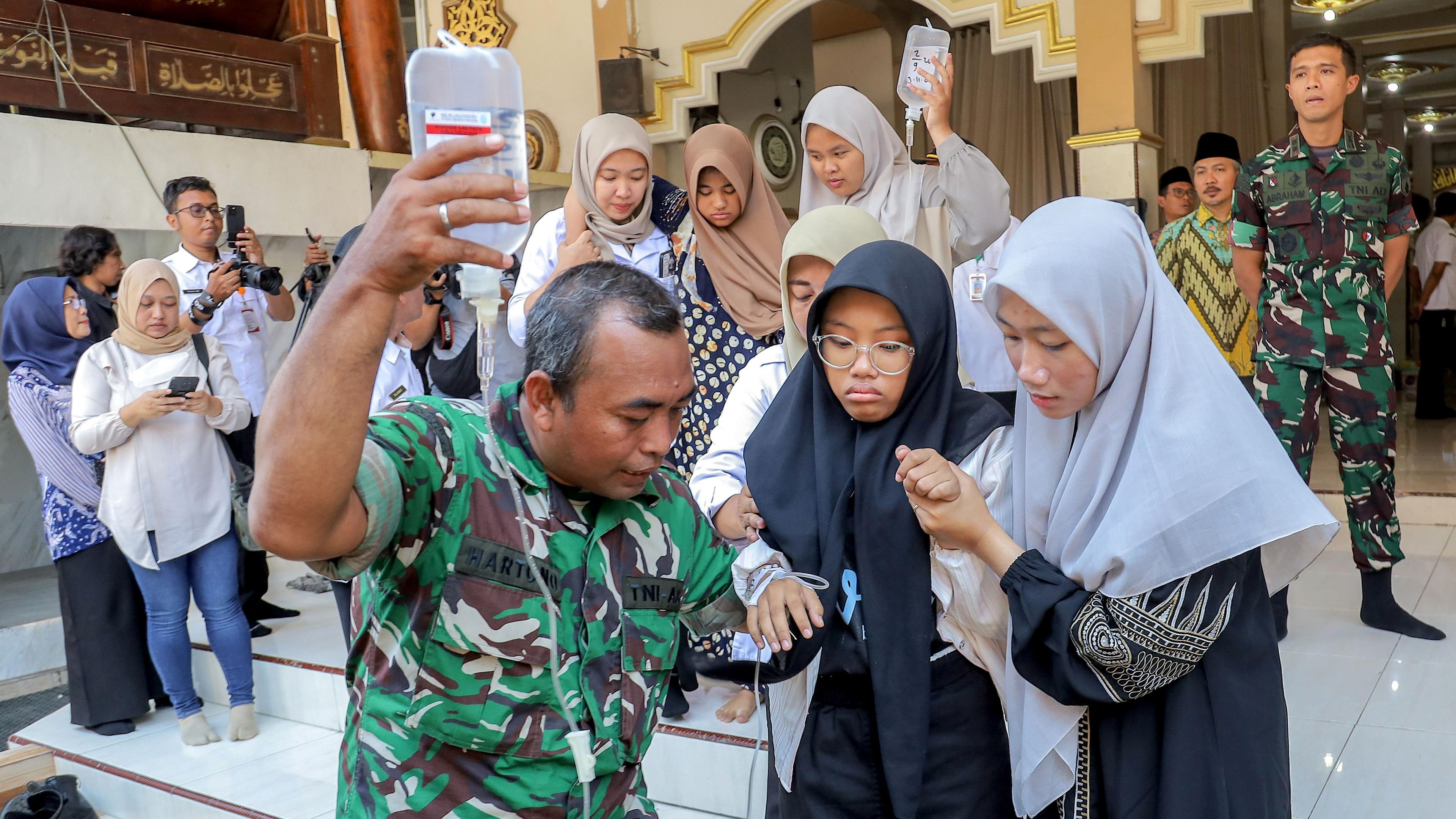
Since early August, Indonesia’s summer heat combined with deforestation and peat‑land burning has produced near‑record levels of air pollution. Official data show that over 175,000 residents have reported respiratory symptoms linked to the toxic haze, while neighbouring Malaysia and Singapore have recorded unhealthy air‑quality indices.
Chemistry of the Toxic Haze
The smog contains fine particulate matter (PM2.5), nitrogen oxides and polycyclic aromatic hydrocarbons—all substances known to aggravate asthma, bronchitis and cardiovascular disease. The darkened clouds visible in satellite images are not just a visual warning but a portal for health‑threatening pollutants to infiltrate urban air.
Government Response and International Collaboration
Indonesia’s Ministry of Environment has deployed additional firefighting teams to hotspots and tightened restrictions on palm‑oil plantations during dry periods. At the ASEAN level, regional air‑monitoring networks are sharing data, while Singapore is offering technical assistance for remote sensor deployment.
Local Community Adaptation
Public health advisories urge people to limit outdoor activity, wear N95 masks, and keep windows closed. Some municipalities have implemented “haze alerts” on social media, and local NGOs are distributing clean‑air kits to vulnerable households.
Long‑Term Mitigation Strategies
Scientists recommend restoring peatlands, enforcing sustainable agroforestry, and improving early fire‑detection algorithms. Carbon‑capture pilots in Sabah and Kalimantan aim to reduce ignition sources while providing offset revenue for conservation projects.
The unfolding smog crisis highlights how climate‑induced fires can quickly turn into public‑health disasters. Collaborative efforts between governments, scientists, and communities will be essential to mitigate the health risks and safeguard the region’s ecosystems.
For more on how Indonesia and its neighbours are battling wildfire‑driven haze, follow the full report here.