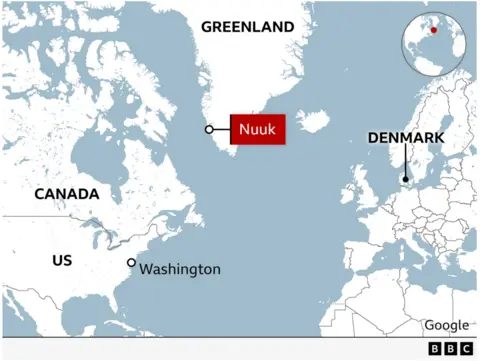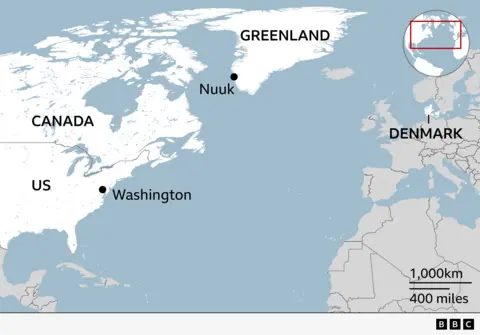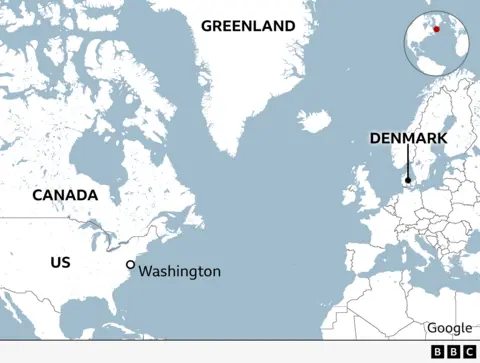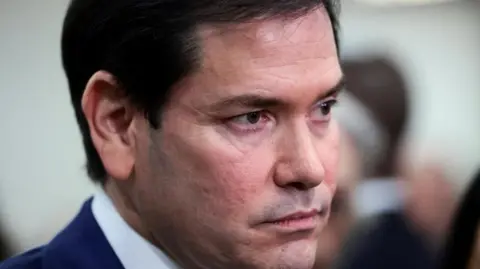
The US Secretary of State Marco Rubio has announced he will hold talks with Denmark next week amid concerns over America's desire to acquire the Danish territory of Greenland.
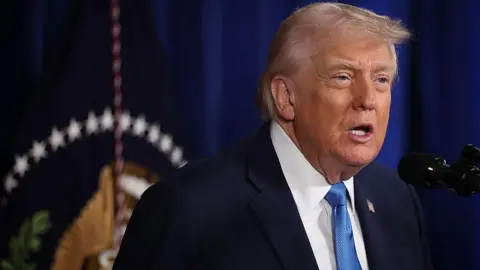
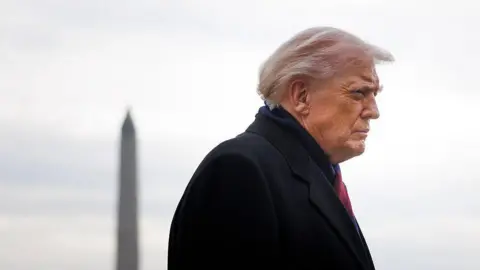
Marco Rubio's statement to reporters followed a closed-door briefing with US senators, one day after the White House indicated that President Donald Trump had been contemplating options, including military force, to secure Greenland. This sparked widespread unease about the future of the territory, especially after Trump's recent unilateral military actions in Venezuela.
The Trump administration has conveyed that Greenland holds significant strategic value for US security. In response, Denmark has warned that any aggressive action could jeopardize the NATO alliance.
If the president identifies a threat to the national security of the United States, every president retains the option to address it through military means, Rubio noted, while also asserting the importance of diplomacy in addressing such issues.
Earlier, French Foreign Minister Jean-Noël Barrot reported that Rubio had dismissed the idea of an invasion during a phone call, emphasizing diplomatic channels instead. Barrot is set to discuss Greenland's strategic significance with his German and Polish counterparts later this week.
European leaders have firmly backed Denmark against Trump's ambitions, issuing a joint statement asserting that Greenland belongs to its people, and that only Denmark and Greenland can determine their future. They emphasized the need for collective Arctic security through NATO, including the US, while adhering to the principles of the UN Charter regarding territorial integrity and sovereignty.
Concerns intensified further when Katie Miller, spouse of a senior Trump aide, shared a map of Greenland adorned in the colors of the US flag with the caption SOON. This came on the heels of claims from Stephen Miller, asserting that the US government formally views Greenland as a potential part of the US.
Inuit resident Morgan Angaju expressed alarm over the manner in which discussions surrounding Greenland are framed, feeling vulnerable as a part of the ongoing geopolitical dialogue.