CHICAGO — The U.S. Department of Justice has initiated a lawsuit against Illinois Governor JB Pritzker over newly enacted state laws that aim to protect immigrants from federal immigration enforcement actions within courthouses, hospitals, and childcare facilities.
Governor Pritzker recently signed a series of laws that prohibit civil arrests in and around courthouses across Illinois. The legislation, which took effect immediately, requires hospitals and day care centers to establish procedures that safeguard the personal information of individuals and curtail civil immigration operations.
Under the new laws, individuals whose constitutional rights are infringed during federal enforcement actions will have a legal recourse, including the potential for $10,000 in damages if they are unlawfully arrested while attending a court proceeding. This move is part of a broader initiative to reassure immigrants and foster a safer environment for them to seek legal recourse without the fear of deportation.
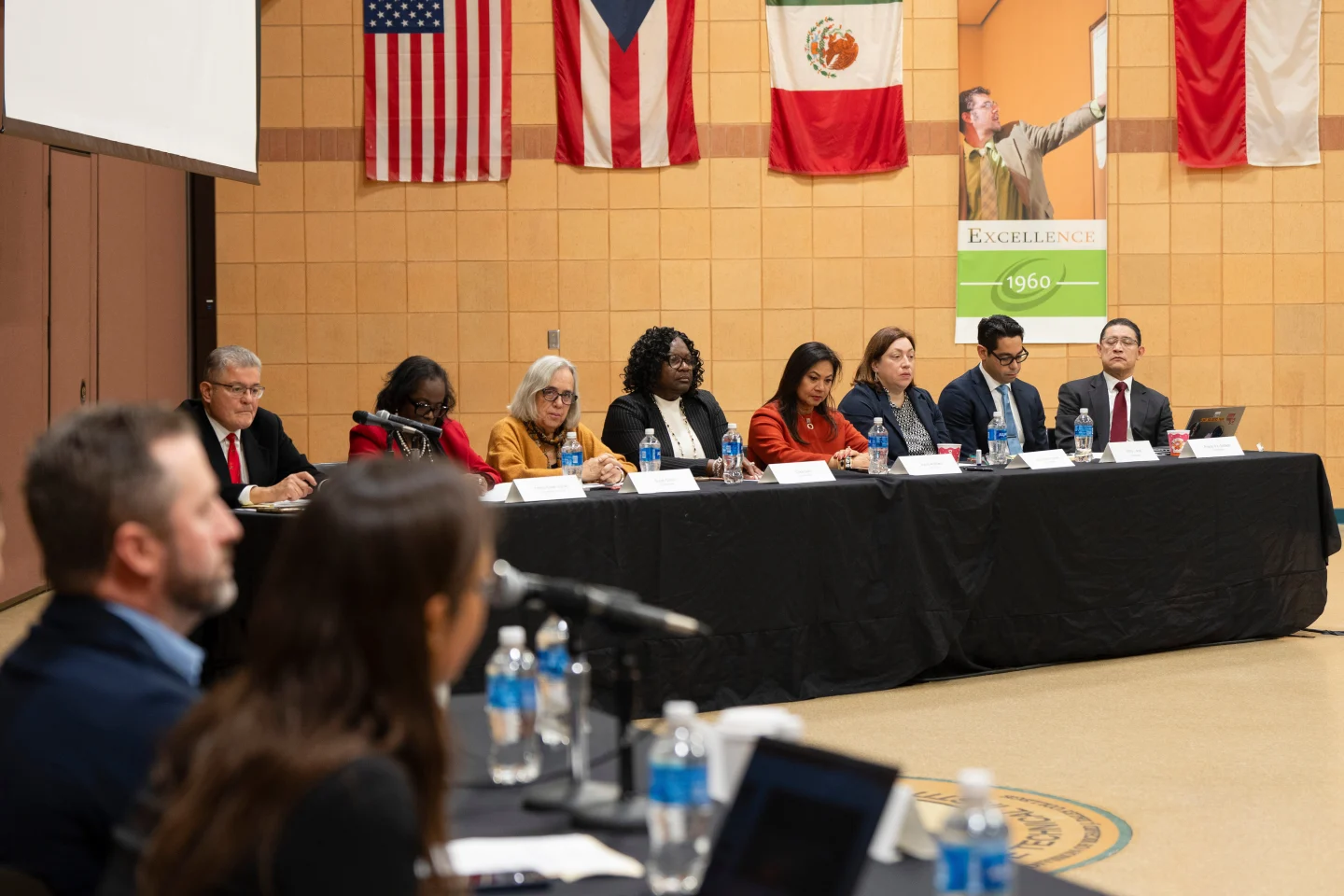
Lawrence Benito, executive director of the Illinois Coalition for Immigrant and Refugee Rights, hailed the legislation as “a brave choice” that reflects a necessary resistance to a climate of fear instilled by federal agencies. He acknowledged the importance of legislative solutions in advocating for community safety.
The DOJ's lawsuit, which also names Illinois Attorney General Kwame Raoul, claims that these new laws violate the U.S. Constitution and compromise the safety of federal officers. As per U.S. Attorney General Pam Bondi, this legal action is part of a broader strategy to address laws perceived as obstructing federal immigration operations.
Neither Pritzker nor Raoul immediately responded to the lawsuit requests. When signing the bills, Pritzker acknowledged that legal challenges were likely but declared that he believed not only in the legality but also in the moral imperative behind these laws.
The Immigration and Customs Enforcement’s “Operation Midway Blitz,” which targeted over 4,000 individuals in recent months, highlights the intensity of federal operations; however, data reveals that the majority of those arrested had non-violent offenses. Advocates stress that these new protections are necessary to help vulnerable communities engage with public services and the justice system without fear.