
In brief
Somaliland's quest for independence may find new traction under Donald Trump's presidency, with supporters advocating for formal recognition. However, concerns regarding regional stability and Somalia's sovereignty raise complex questions about the implications of U.S. recognition in a historically fraught area.
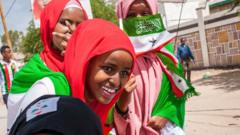
In Somaliland, excitement fills the air as residents pin hope on the incoming presidency of Donald Trump. Many believe that the U.S. could become the first country to acknowledge their self-declared republic, which has functioned autonomously for over three decades following its split from Somalia amid civil war.Aisha Ismail, a university student in Hargeisa, expresses her hopes fervently, stating, "Donald is our saviour. He is a wise and practical man. God bless America." This kind of optimism starkly contrasts with views from the Somalia capital, Mogadishu, where sentiments run high against perceived threats to national unity.Powerful figures in the Republican Party, including Congressman Scott Perry, have previously introduced bills advocating formal U.S. recognition for Somaliland, indicating that the new administration may take a different approach. Interest from the right-leaning Heritage Foundation hints at possible strategic interests in the Horn of Africa, particularly in the context of diminishing American influence in neighboring Djibouti.However, Somali officials caution that U.S. recognition could destabilize the region and embolden separatist movements. “Any move towards recognising Somaliland's independence would not only contravene Somalia's sovereignty but also destabilise the region by setting a dangerous precedent,” warns Ali Omar Balcad, Somalia's State Minister for Foreign Affairs.The geopolitical stakes are amplified, given the controversial past of U.S. military involvement in Somalia, including the notorious 'Black Hawk Down' incident. With roughly 500 U.S. troops currently deployed, concerns persist that any major shifts in policy could create vacuums for extremist groups like al-Shabab to gain ground.Attempts at collaboration, such as a purported proposal for recognition involving Ethiopia in exchange for sea access, have further fueled tensions. Local fears of backlash against Somaliland’s hopes for recognition are compounded by political maneuvering, evidenced by Somalia's recent lobbying efforts in D.C.As the Somali government grapples with strengthening its position, some Republicans present the case for Somaliland as rooted in economic and military strategy, suggesting that its commitment to democratic governance warrants reward. This viewpoint aligns with U.S. interests, particularly as China expands its influence in the region through initiatives like the Belt and Road.Recognition may hinge on how proponents package their argument to appeal to Trump's deal-making instincts. There are concerns that recognition could morph into negotiations about terms under which Somaliland would accept refugees deported from the U.S., raising ethical considerations around such an arrangement.Experts suggest that significant changes to U.S. policy regarding Somaliland and Somalia might be imminent, especially considering Trump's skepticism towards foreign aid and state-building efforts. Observers like Ken Menkhaus emphasize the need for vigilance as the Horn of Africa stands on the brink of transformation, ripe for potential turmoil or new avenues for peace depending on the U.S.'s next moves.


