In brief
Canadian responses to U.S. trade policies have sparked debates on the disproportionate impacts on businesses as liquor restrictions unfold.
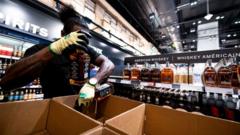
The ongoing trade tensions between Canada and the United States escalated this week when several Canadian provinces, led by Ontario, withdrew American alcohol products from their shelves in retaliation to U.S. tariffs. This move, described by Lawson Whiting, the CEO of Jack Daniel's parent company, Brown-Forman, as "worse than tariffs," emphasizes the heightened stakes in this trade dispute. The Liquor Control Board of Ontario (LCBO), known for its significant alcohol purchasing power, announced the removal of all U.S.-made alcoholic beverages from its stores on Tuesday, as a direct counter to the 25% tariffs imposed by the Trump administration on Canadian goods last year. Whiting criticized the Canadian provinces' actions as a disproportionate response that effectively erases his company's opportunity to sell products in the province.With Ontario Premier Doug Ford noting the LCBO's annual sales of nearly $1 billion for U.S. alcohol, the decision deeply impacts American producers, though Whiting stated that Canada constitutes only 1% of Brown-Forman's total revenues, suggesting the company can endure this setback. Meanwhile, Canadians are advised to consider local alternatives, which has seen some consumers shifting towards domestically produced beverages in light of the ongoing tariffs.Prime Minister Justin Trudeau did not hold back his criticism of the U.S. tariffs, labeling them "a very dumb thing to do," and expressed concerns over the ramifications for Canada's economy. He underlined the absurdity of U.S. claims regarding Canadian contributions to the fentanyl crisis while emphasizing that these tariffs could push Canada into a precarious economic position.As the international trade landscape continues to shift, Whiting mentioned the company's focus on Mexico, which currently represents a more significant market share of 7%. This development invites speculation on how trade relationships will evolve amidst ongoing policy developments in North America.