The Red Sea’s Pulse of Trade & Climate
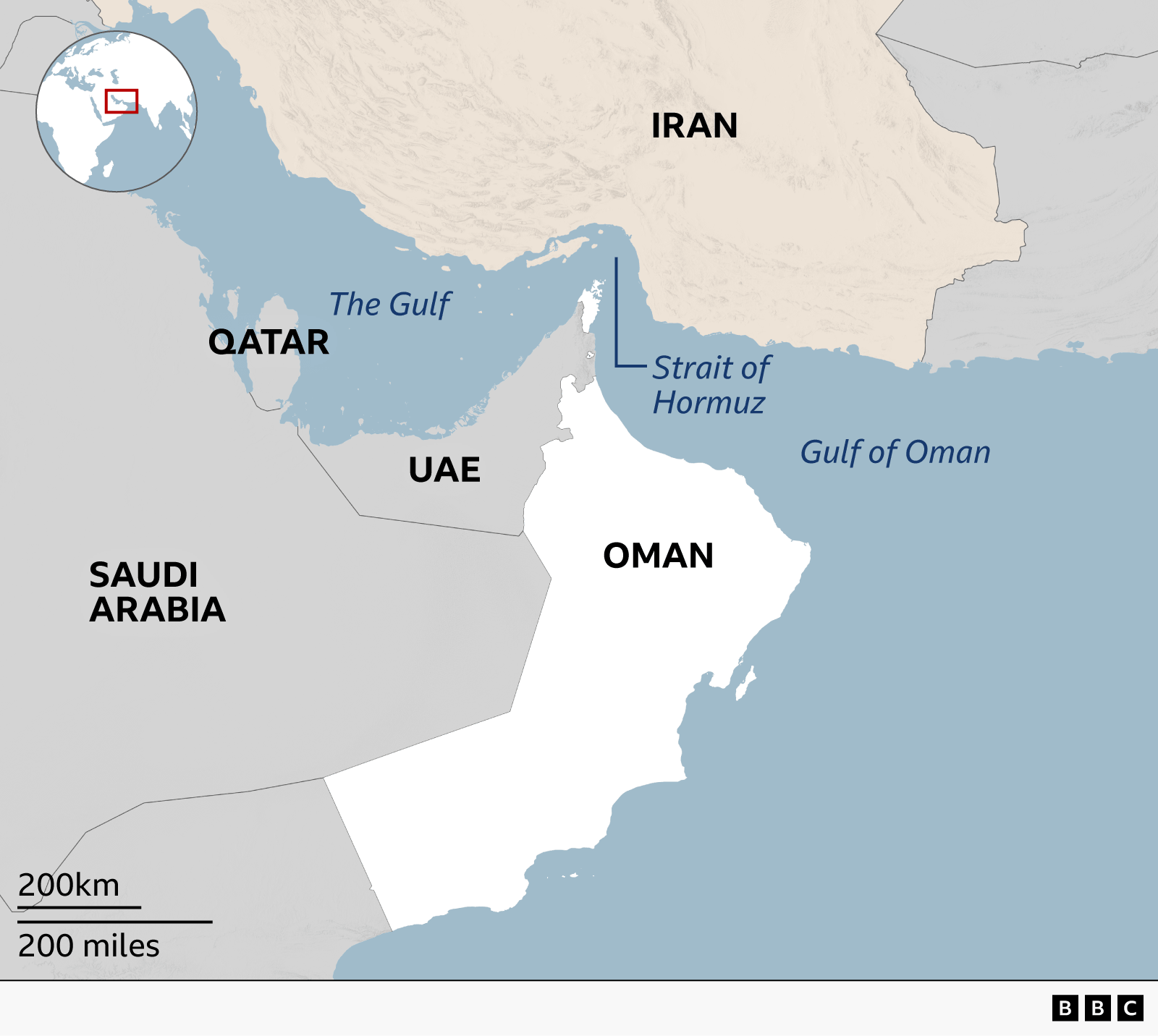
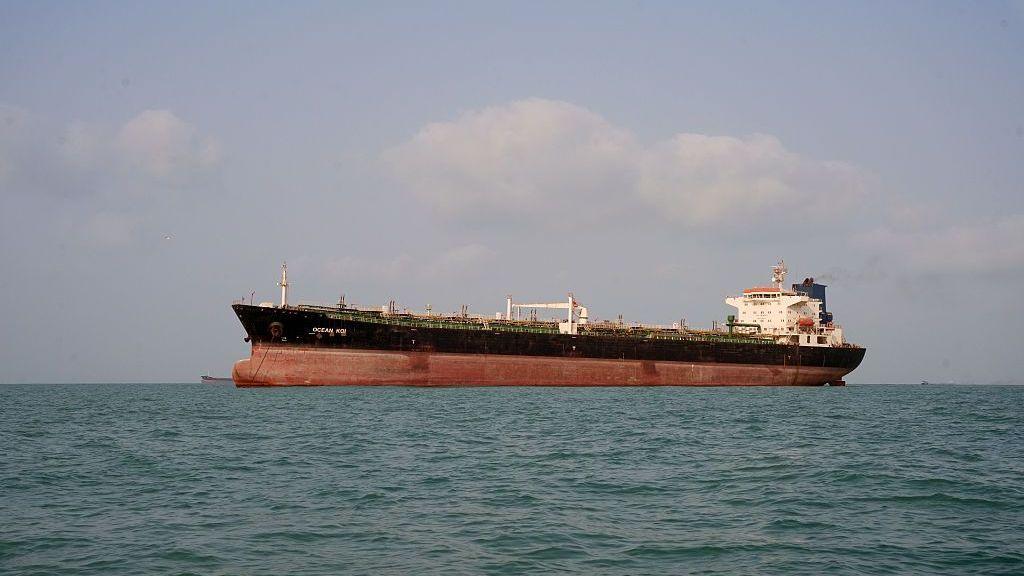
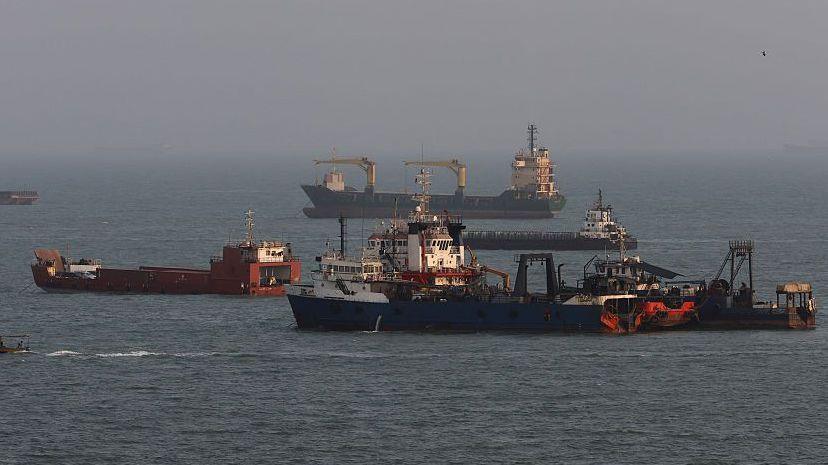
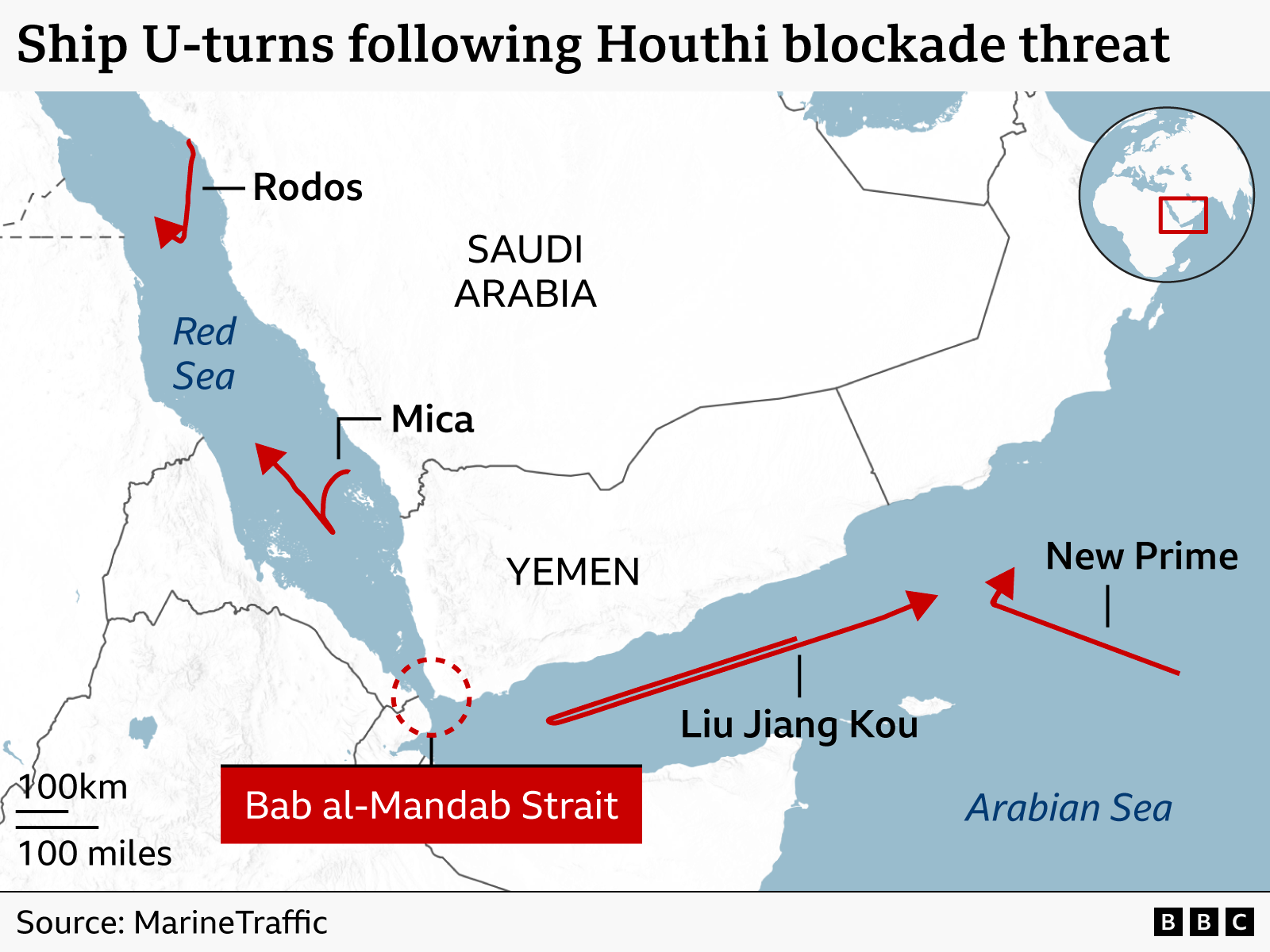
The Bab El Mandeb Strait services around 15% of global freight. When Houthi fighters in Yemen signal a blockade, merchant vessels must alter course, inflating fuel use and CO₂ footprints. Such detours also serve as a reminder that conflicts can destabilise the climate‑friendly future of maritime logistics.
Environmental Consequences of Warfare at Sea
- Each delay of 12–24 hours adds roughly 200 tonnes of CO₂ per container ship, forcing a spike in the global carbon budget.
- Unplanned wind‑driven routes leverage higher fuel demand, threatening to breach emissions and navigation safety standards.
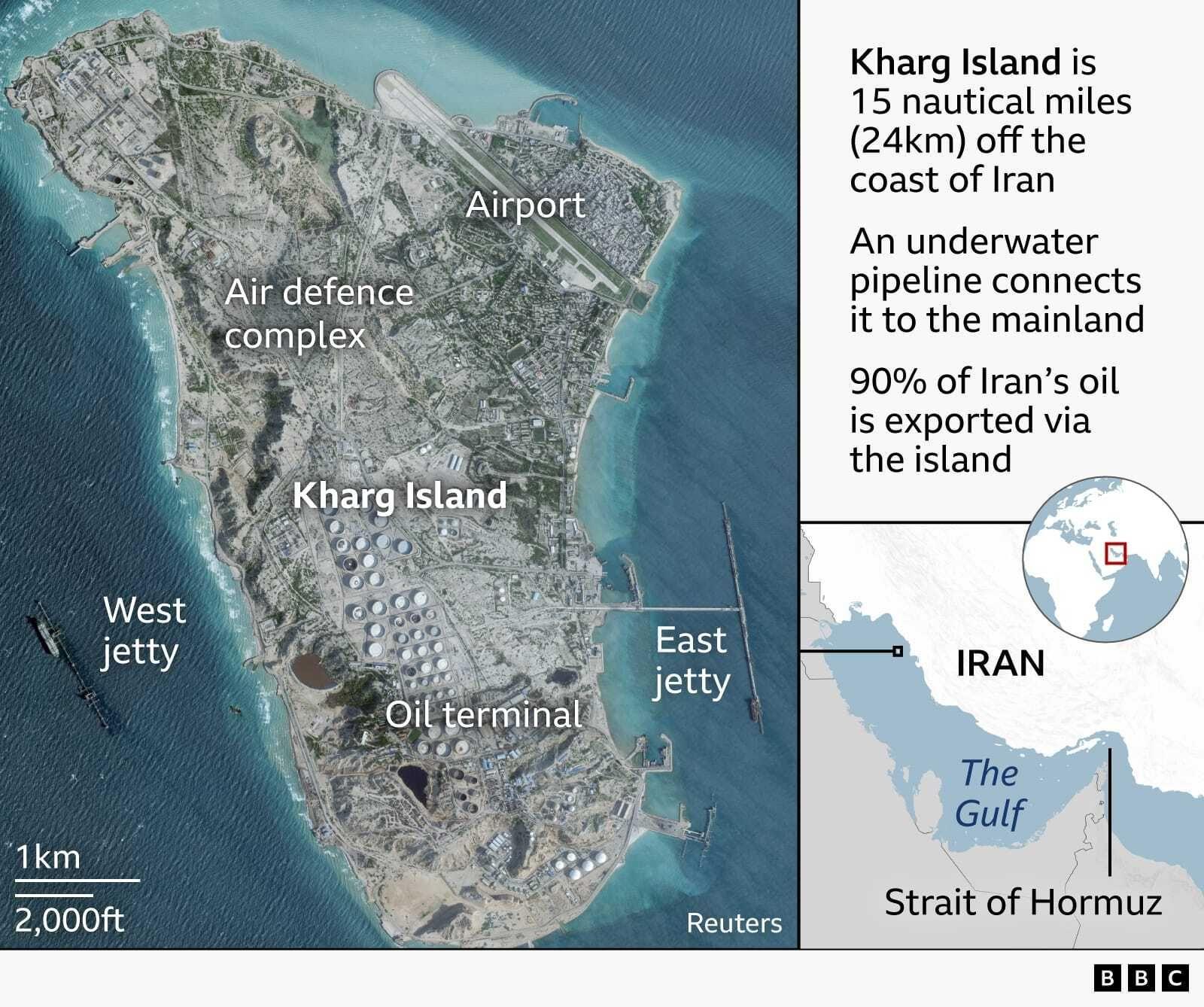
- Interruption of oil export corridors could raise global refining costs, creating ripple effects on electricity and plastics production, all of which carry carbon intensity.
Safeguarding Trade and the Climate
Mitigation hinges on three pillars: robust maritime security, diversified shipping corridors, and accelerated low‑emission vessel adoption. Regional cooperation could create a joint monitoring system, while incentive schemes for green marine fuels could accelerate decarbonisation. A coordinated approach would not only shield economies from scarcities but also align maritime transport with the Paris Agreement.
Looking Ahead: Risk Management for the Future
Governments and shipping firms must align security protocols with environmental targets. This means investing in dual‑fuel turbines, implementing real‑time route analytics, and setting up emergency cargo corridors. In doing so, the world can ensure that a geopolitical flashpoint does not derail the sustainable trajectory of global trade.