
In brief
In the past two weeks, the iconic island of Santorini and its neighboring areas have experienced thousands of earthquakes, including a significant 5.3 magnitude tremor that surged through the region recently, raising alarms among locals and authorities alike.
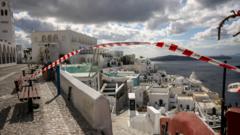
The Mediterranean island of Santorini has found itself embroiled in an escalating seismic crisis, with over 12,800 earthquakes detected since late January by the Seismological Laboratory at the University of Athens. The most recent, a 5.3-magnitude earthquake, struck at a shallow depth of 17 kilometers, reverberating across Athens and forcing locals to remain vigilant and take precautions. Residents have reported frequent tremors — including several exceeding 4.0 magnitude — and landslides have increasingly become a concern as the quakes rattle the picturesque island.Authorities have imposed a state of emergency, expected to last until at least March 3, as seismic activity has not only caused an exodus of tourists — with more than 11,000 departing the islands — but also prompted school closures in Santorini and neighboring Amorgos. An emergency response team has mobilized to assess the situation, with technical units inspecting local infrastructure, including the electricity network.Kostas Papazachos, a noted seismologist, stated that the seismic situation may persist throughout February but urged patience as experts hope for a gradual normalization of conditions. Although there have been no reported injuries or significant structural damage, the potential for a major earthquake remains a possibility. Meanwhile, the cruise ship Viking Star, originally slated to visit Santorini, has altered its route to avoid potential safety issues related to overcrowding during the ongoing earthquakes.Greece is known for its earthquake vulnerability, and while the current seismic "clusters" remain unconnected to volcanic activity, scientists continue to study these unpredictable patterns. Santorini resides within the Hellenic Volcanic Arc, and though it has witnessed volcanic eruptions in the past, the last major event occurred in the 1950s. As of now, experts assert that tectonic plate movements, rather than volcanic forces, are responsible for the ongoing events. While residents and scientists alike grapple with this phenomenon, the allure of Santorini and its natural beauty remains, fostering hope for a resilient recovery as answers to this seismic mystery linger.


