In brief
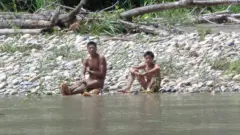
The Mashco Piro, a nomadic tribe in the Peruvian Amazon, have chosen to remain largely uncontacted for over a century. As illegal logging encroaches on their territory, locals from neighboring Nueva Oceania share their experiences and fears, feeling both respect for and conflict with their 'brothers in the forest'. Discover what efforts are being made to protect this vulnerable community and their rights in the face of looming threats from outsiders.
As illegal logging threatens the fragile ecosystem of the Amazon rainforest, the Mashco Piro tribe continues to resist contact with the outside world to preserve their culture and way of life. This article explores the challenges they face amid environmental and societal pressures.
Tomas Anez Dos Santos was working in a small clearing in the Peruvian Amazon when he heard footsteps approaching in the forest. He realized he was surrounded and froze, knowing the Mashco Piro—who have chosen to be cut off from the world—were nearby.
The Mashco Piro depend on the Amazonian rainforest for everything, hunting with long bows and arrows. Their isolation has protected them, but it has also made them vulnerable.
A report by Survival International reveals that there are at least 196 uncontacted groups remaining worldwide, with the Mashco Piro considered the largest. The report indicates that half of these groups could vanish in the next decade due to resource exploitation and disease exposure from contact with outsiders.
The villagers of Nueva Oceania, located along the Tauhamanu River, have observed an increase in Mashco Piro visits. However, they grapple with conflicting emotions—fear from the potential dangers of contact, and a deep respect for their 'brothers' who they wish to protect.
Local resident Tomas articulates a sentiment shared by many: Let them live as they live; we can’t change their culture. Yet, they are increasingly facing threats from illegal logging, which disrupts the Mashco Piro’s habitat and threatens their lives.
The Peruvian government advocates for policies that discourage outside contact to protect isolated tribes from diseases. However, as logging companies encroach on their territory, their losses mount.
Efforts to maintain a buffer zone around the Mashco Piro’s way of life involve planting food sources that they can safely take. This act of goodwill is coupled with fear that the encroaching logging operations could force the Mashco Piro into contact with diseases they have no immunity against.
Contrastingly, a control post at the Manu River seeks to protect different Mashco Piro groups from violence and illegal activities. Staffed by agents who facilitate limited contact by providing food, it represents an ambivalent solution: safeguarding their isolation while acknowledging their needs.
As advances in logging threaten the ecological balance, the Mashco Piro remain wary of outsiders and committed to their way of life. Tomas’s plea for peace echoes a larger call to action: protect the forest and its guardians.