
In brief
With a death toll reaching 94 and over 622,000 affected, Cyclone Chido has struck Mozambique hard, prompting government responses and raising alarms about the impact of climate change on such severe weather events.
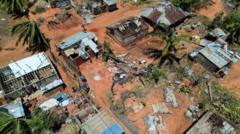
Cyclone Chido has wreaked havoc in Mozambique, claiming the lives of 94 individuals since it made landfall last week, as reported by local authorities. According to the National Institute of Risk and Disaster Management (INGD), 768 individuals sustained injuries, and over 622,000 residents have been affected by the cyclone's destructive force. The cyclone, which struck on December 15, brought with it ferocious winds reaching up to 260 km/h (160 mph) and delivered a staggering 250mm of rainfall within just 24 hours. Initially, Chido devastated the French Indian Ocean territory of Mayotte before advancing to Mozambique, Malawi, and Zimbabwe. In Mozambique, the northern provinces—known for frequently experiencing cyclone activity—were hit the hardest. Chido initially impacted Cabo Delgado and then moved inland, affecting Niassa and Nampula provinces. The INGD indicated significant disruptions to the education and health sectors, with more than 109,793 students impacted, and extensive damage to school facilities. Additionally, 52 sanitary units incurred damage, worsening already limited access to health services in these areas. Daniel Chapo, leader of the ruling party in Mozambique, has communicated that the government is mobilizing support at all levels in a bid to support recovery efforts. During his visit to the especially hard-hit Cabo Delgado region, he mentioned that efforts are underway in collaboration with INGD to assist communities in Mecúfi, Nampula, Memba, and Niassa to rebuild. Earlier in Mayotte, Chido caused the most severe storm damage the region has seen in nine decades, resulting in 35 fatalities as per the latest immediate report. Authorities warned that this death toll could rise significantly as the full extent of the devastation is assessed, with early estimates hinting that it may climb into the hundreds or even thousands.In response to the disaster, more than 1,300 officers were deployed in Mayotte to aid the local populace. Many residents are still grappling with severe shortages of basic necessities, although the capital is gradually restoring access to running water, with health officials advising that water should be boiled for consumption.Additionally, the interior ministry reported that around 100 tonnes of relief goods are being delivered daily, establishing an air corridor to transport supplies from Mayotte, Reunion, and mainland France. The interior minister, Bruno Retailleau, noted that 80 tonnes of food and 50 tonnes of water had been distributed across Mayotte in a single day.Cyclones are known for their intense wind speeds, significant rainfall, and storm surges, often leading to widespread damage and flooding. The INGD emphasized that this cyclone again underscores the vulnerability of social infrastructure to climate change and the pressing need for resilient planning to mitigate its future impacts. Although assessing climate change’s exact influence on specific cyclones can be complex, the UN's IPCC reports a significant human component contributing to increased precipitation linked to tropical cyclones and a growing probability of more intense storms.

