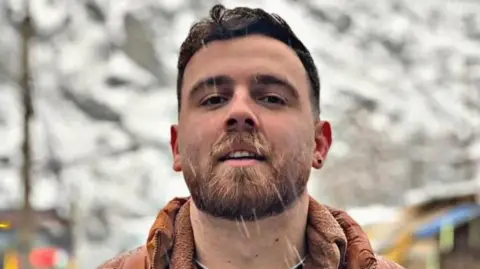
MINNEAPOLIS (AP) — The fatal shooting of 37-year-old Alex Pretti by U.S. Border Patrol agents in Minneapolis has unleashed waves of public outrage and protests, with many demanding the withdrawal of federal immigration officers from the state. Pretti, an ICU nurse and activist against restrictive immigration policies, was shot in an incident that has raised serious questions about the use of force by law enforcement.
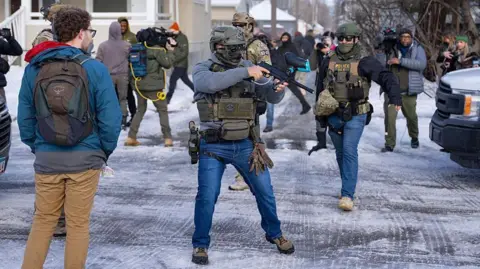
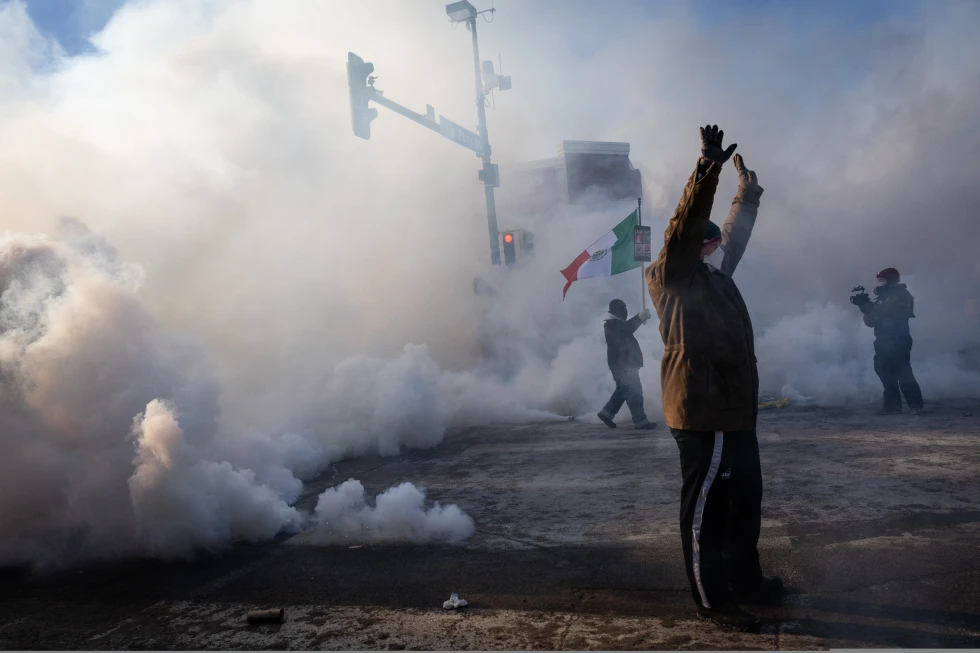
Witnesses report that Pretti was holding a phone when he was confronted by officers; initial videos of the incident suggest he did not possess a weapon. The altercation escalated quickly, resulting in officers employing pepper spray and batons amidst chaotic confrontations with demonstrators.
Local police have stated that Pretti was a registered gun owner but have not confirmed the circumstances surrounding the incident leading to his death. The Department of Homeland Security claims the officers fired defensively against Pretti, whom they alleged was armed and posed a threat. This assertion has sparked a backlash from local leaders, including Minnesota Governor Tim Walz, who expressed a lack of confidence in federal agencies' accountability.
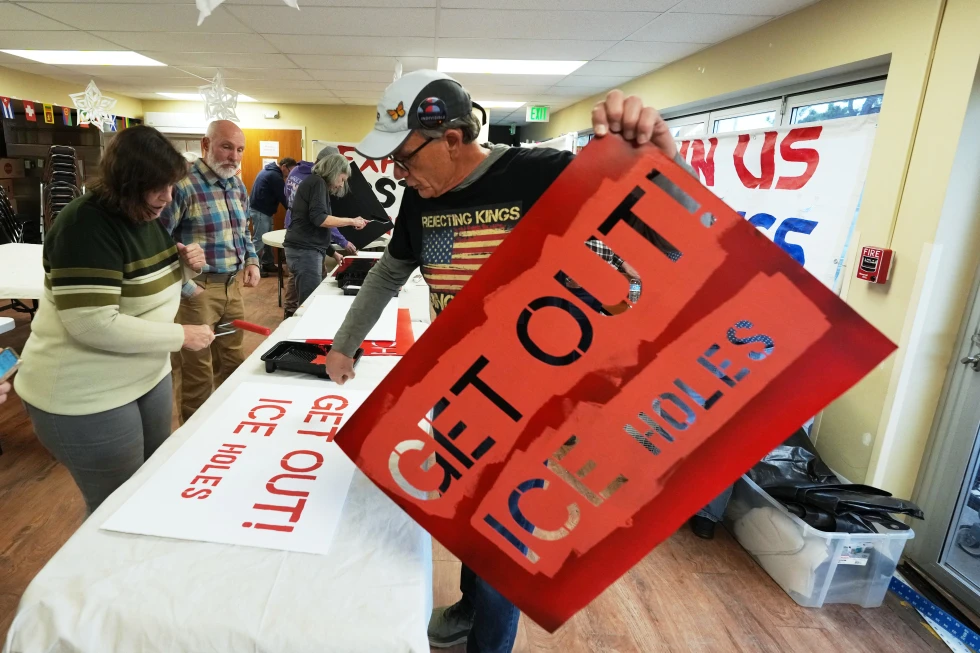
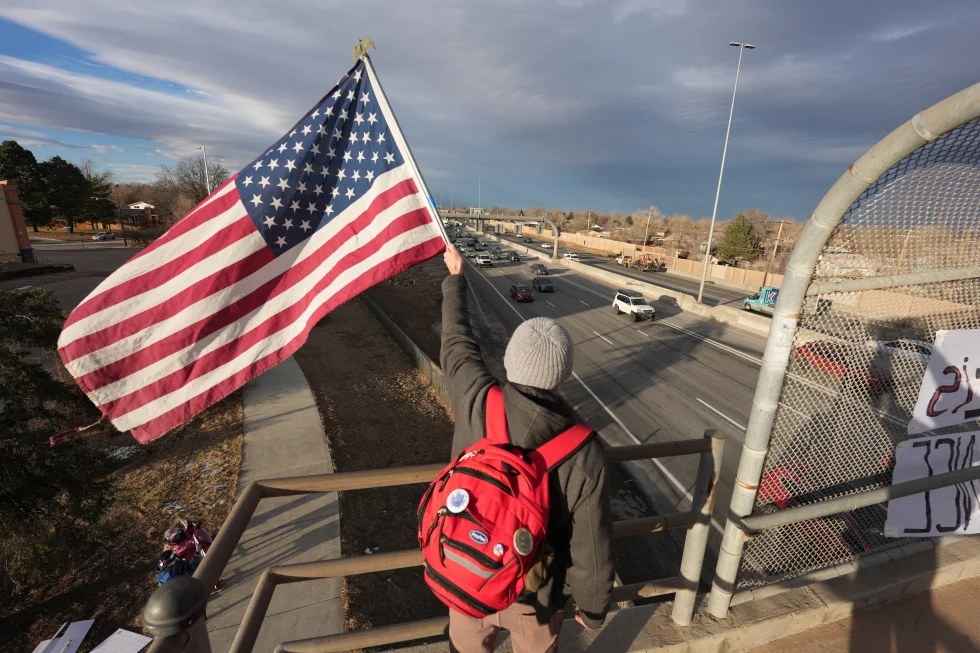
In the aftermath, mass protests erupted across Minneapolis and spread to other cities, where citizens rallied against immigration enforcement and in support of Pretti's memory. Protesters denounced ICE, chanting slogans and constructing makeshift memorials, calling for justice in light of the shooting.
In light of these events, Democratic lawmakers have discussed potentially withholding funding for immigration enforcement, raising concerns about a possible government shutdown as the funding deadline approaches. Family members of Pretti released statements expressing their grief and anger, rejecting claims that he posed a threat and emphasizing his good-hearted nature and dedication to nursing.
The situation remains tense as community leaders urge calm while demanding thorough investigations into the shooting. As more information comes to light, the story continues to evolve, reflecting broader societal issues regarding immigration and police conduct.