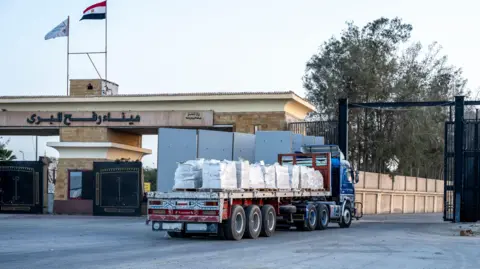
The US has introduced a controversial new system for delivering humanitarian aid to Palestinians in Gaza, relying on private firms. This decision arises amid an ongoing blockade imposed by Israel that has lasted three months, resulting in critical shortages of food and medicine. According to Mike Huckabee, the US ambassador to Israel, the initiative hopes to protect supplies from being diverted by Hamas while ensuring the safety of distribution points secured by contractors. However, this move has sparked significant criticism as the UN announced its refusal to cooperate, asserting that the proposed system compromises humanitarian principles.
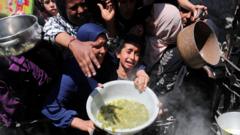
Currently, Gaza's community kitchens, a crucial food source for many, have been forced to close due to severe shortages of essential supplies, raising alarms about the looming humanitarian disaster facing the 2.1 million residents. The World Food Programme and other agencies insist that they possess robust mechanisms that prevent aid from being stolen and claim the new private aid system is inconsistent with humanitarian values and principles.
The Gaza Humanitarian Foundation (GHF), newly established for this purpose, aims to set up four distribution centers to serve 1.2 million Gazans, offering food, water, and hygiene supplies to those in desperate need. Despite this effort, major questions remain regarding the feasibility and effectiveness of the plan in addressing the immense scale of need.
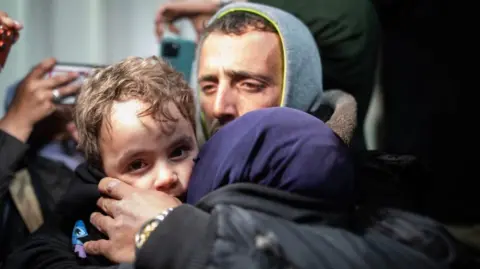
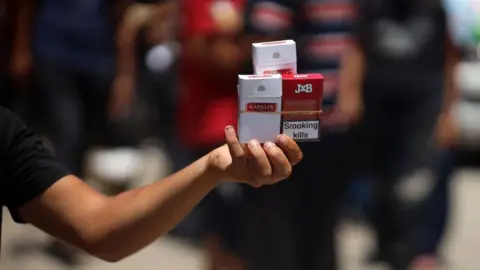
As the situation in Gaza worsens, with skyrocketing prices and worsening malnutrition, there are fears that the proposed distribution model might result in further suffering for the most vulnerable populations, particularly children and the elderly, raising serious concerns about the approach being taken amid this tragic crisis.
Currently, Gaza's community kitchens, a crucial food source for many, have been forced to close due to severe shortages of essential supplies, raising alarms about the looming humanitarian disaster facing the 2.1 million residents. The World Food Programme and other agencies insist that they possess robust mechanisms that prevent aid from being stolen and claim the new private aid system is inconsistent with humanitarian values and principles.
The Gaza Humanitarian Foundation (GHF), newly established for this purpose, aims to set up four distribution centers to serve 1.2 million Gazans, offering food, water, and hygiene supplies to those in desperate need. Despite this effort, major questions remain regarding the feasibility and effectiveness of the plan in addressing the immense scale of need.
As the situation in Gaza worsens, with skyrocketing prices and worsening malnutrition, there are fears that the proposed distribution model might result in further suffering for the most vulnerable populations, particularly children and the elderly, raising serious concerns about the approach being taken amid this tragic crisis.