In brief
As Sudanese Armed Forces (SAF) succeed in reclaiming the presidential palace from the Rapid Support Forces (RSF), the city grapples with ongoing violence and humanitarian crises, raising questions about future governance and peace in the country.
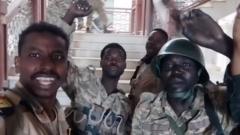
The Sudanese Armed Forces (SAF) have made a significant stride in the ongoing conflict by regaining control of the presidential palace in Khartoum. After enduring two years of warfare against the paramilitary Rapid Support Forces (RSF), this victory is seen as a key milestone that may reshape the battlefield landscape in Sudan. The palace, a stronghold of sovereignty, is part of a broader pattern of military advancement. Following intense battles, the SAF has managed to reclaim several districts in Khartoum, significantly reducing RSF influence in central locations, including government buildings. However, while the RSF has lost considerable ground in the capital, it continues to launch counterattacks, indicating that fighting is likely to persist. Recently, for instance, a drone assault aimed at the palace resulted in casualties among journalists and army personnel.Despite the army's progress, experts warn that full control of Khartoum could lead to a prolonged struggle rather than a definitive resolution. The RSF, under the leadership of General Mohamed Hamdan Dagalo (Hemedti), maintains a grip on large sections of Darfur and continues to challenge the military-backed government led by General Abdel Fattah al-Burhan in other regions.In a display of resilience, the RSF is reportedly attempting to establish a parallel governance structure in their controlled areas, signaling their intent to remain a significant player on the political stage despite military defeats. The specter of de-facto partition looms large, with both factions and their supporters entrenching their positions and sparking fears of fragmentation within Sudan.The humanitarian crisis resulting from the war has reached alarming proportions, with the World Health Organization estimating that over 12 million people have been displaced. The United Nations describes the unfolding situation as the worst humanitarian emergency in the world, with many areas, including Khartoum, on the brink of famine. The ongoing conflict and competing military strategies have led to obstruction of crucial aid, exacerbating the suffering of civilians.While the SAF's reclaiming of the palace could potentially enhance humanitarian conditions, it remains unclear if the broader landscape of governance and peace talks will change. Both sides remain committed to fighting, with little indication that efforts to revive peaceful negotiations have gained traction. Ultimately, the road ahead for Sudan looks fraught with challenges, as military ambition clashes with the urgent need for stability and humanitarian relief.