NEW YORK – In response to the recent release of poorly redacted documents linked to Jeffrey Epstein, Senate Minority Leader Chuck Schumer has proposed a resolution to initiate legal proceedings against the Justice Department. The call for action comes after the department's decision to limit the disclosure of Epstein-related records, raising significant concerns among lawmakers.
“The Trump administration's release has been minimal, heavily blacked out, and lacks the transparency we demanded from the Epstein Files Transparency Act,” Schumer stated. This sentiment reflects growing frustration among Democrats who seek accountability and transparency in the handling of Epstein’s case.
The Justice Department asserts that it is committed to releasing records in phases, with a final deadline set by the end of the year. Officials cite the complexities involved in safeguarding the identities of victims and assert that secrecy was necessary to protect those impacted by Epstein's crimes.
While the resolution introduced by Schumer is mainly symbolic, it emphasizes ongoing Democratic pressure to ensure full compliance with the enacted transparency law. The Senate's recess until January further complicates any potential action, creating a sense of urgency as lawmakers seek to keep the issue at the forefront of national discussion.
Critics of the current administration's handling of the Epstein files argue that the latest releases have been inadequate, predominantly revealing documents that were already public or heavily censored. The absence of pivotal information, including FBI interviews and other crucial memos, has only intensified calls for further investigation and disclosure.
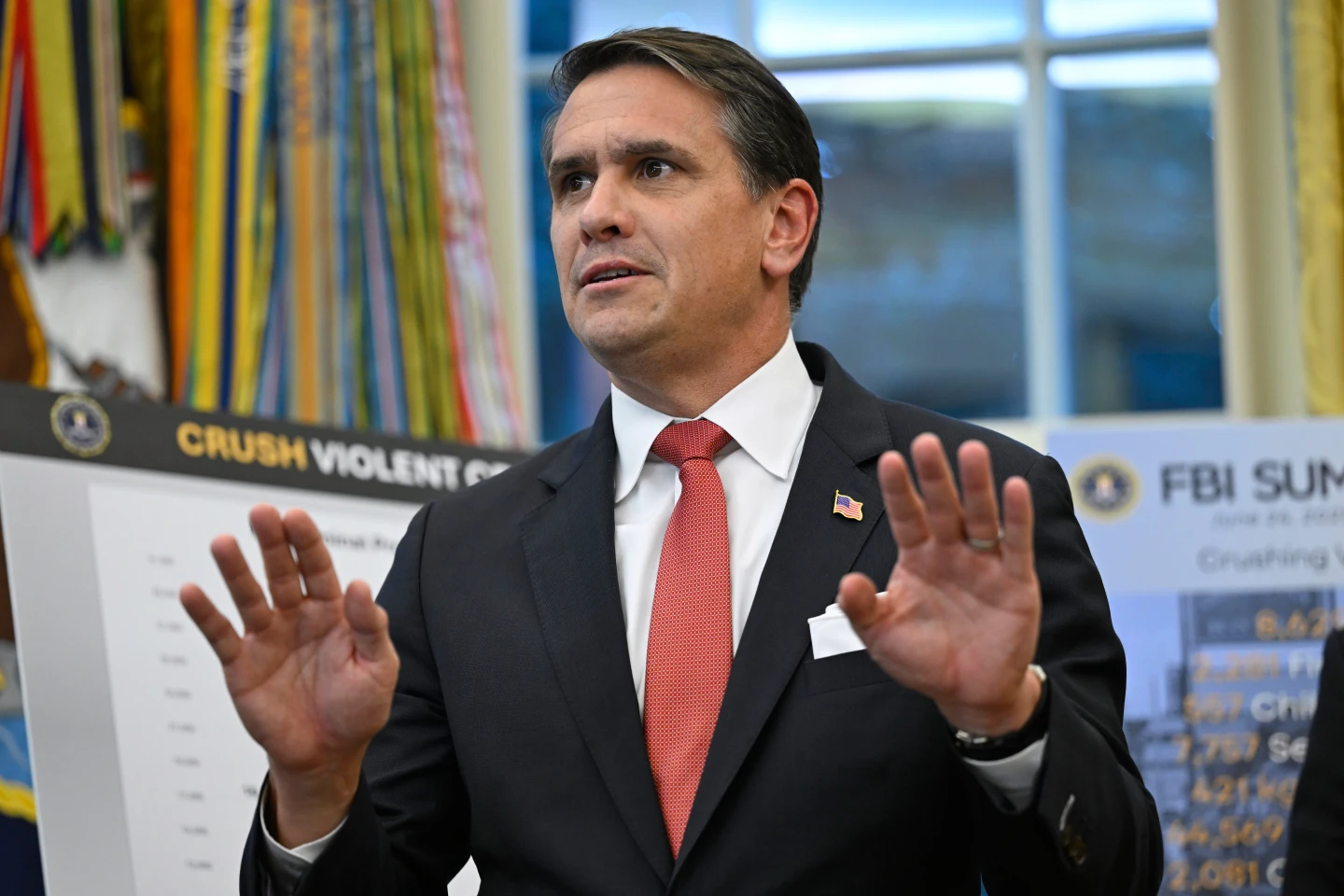
Deputy Attorney General Todd Blanche has defended the cautious approach taken by the Justice Department, promising that the investigation will meet its legal obligations while also protecting the survivors' identities. He acknowledged the challenges posed by the sensitive nature of some of the materials involved.
Amidst this, legislative discussions continue as the call for transparency around legal proceedings demonstrates an evolving political landscape in response to high-profile cases. The echo of this urgent push for accountability also serves to highlight deeper societal challenges related to the protection of victims and the justice system's effectiveness.