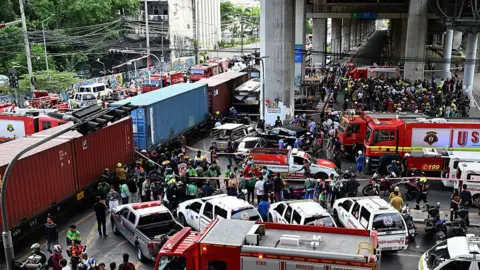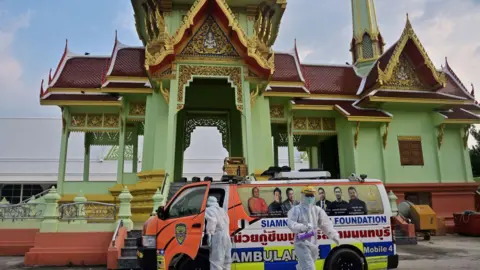
In the early hours of August 18, 2015, a powerful blast rattled Bangkok’s famed Erawan shrine, killing 20 and injuring more than 120. The scene—once a pilgrimage site for foreign tourists—was quickly cordoned and the shrine reopened a mere two days later, amid critics who questioned the swift cleanup and the damage to the area’s economic and cultural reputation.
A decade later, the Thai military court has convicted two Uyghur men, Bilal Mohammad and Yusufu Mierali, of planning and detonating the bomb, sentencing them to death. Mohammad was found hide‑ng in a Bangkok suburb, while Mierali was captured in Cambodia and extradited. The men’s forged passports and possession of bomb‑making chemicals fueled the charges.
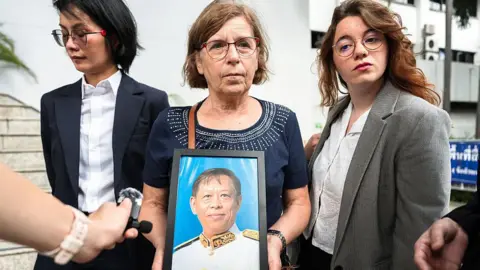
The trial was anything but routine. The Thai authorities rushed to collect evidence, but many security cameras were non‑working, and the only footage placed an unrelated man near the shrine. Arrest warrants were issued for 13 others, yet two men remained detained in secret military cells, subject to alleged torture to force confessions. The victims’ families and human‑rights groups identified the arrests as part of a broader pattern of marginalising Uyghur residents.
Delay plagued the proceedings—over ten years for a single trial—largely due to the absence of qualified Uyghur translators. The defendants and their lawyers often rejected Chinese‑embassy translators, leading to prolonged sessions and a growing sense of injustice.
The International Commission of Jurists (ICJ) described the investigation, prosecution and trial as “rife with human‑rights violations” and urged that the defendants “should have been released.” ICJ members cited violations of due process, interference with the right to a fair trial and the use of torture as key concerns.
The Thai judges, however, upheld the verdict, citing phone‑call records and alleged communication between the two men at the time of the bombing. They found that the evidence was sufficient to justify the death sentence, notwithstanding the procedural shortcomings highlighted by human‑rights NGOs.
Yusufu Mierali’s lawyer announced plans to appeal, citing the trial’s protracted delays, lack of proper advocacy, and the uncertainty due to the inconsistent forensic evidence. The appeal will push the case back to Thai courts, potentially reshaping the legal landscape for ethnic minorities involved in terrorism charges.
Beyond the courtroom, the bombing’s legacy extends to policy debates on migration, the protection of ethnic minorities, and how countries address the risks of extremism intertwined with grievances over forced repatriation. The Thai government’s earlier action to repatriate 109 Uyghur men to China is frequently cited as a potential catalyst for the attack.
The case presents a cautionary tale for nations seeking to balance security, human rights, and the obligations of the international community in a rapidly changing geopolitical context. It raises urgent questions about how the rule of law can genuinely serve the vulnerable and uphold global justice standards, especially amid climate‑driven migration pressures and associated social tensions.