In brief
As Australia enacts a social media ban aimed at protecting teens under 16, critics highlight the glaring omission of gaming platforms that similarly contribute to addiction and exposure to harmful content. Experts suggest these platforms should be regulated to ensure protections for children from online dangers.
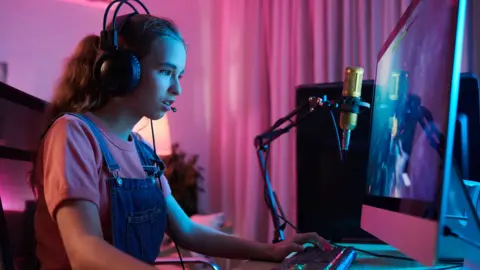
Australia's recent introduction of a ban on under-16s having accounts on certain social media platforms has raised eyebrows, primarily due to the absence of gaming platforms from the legislation. Critics argue that gaming can be just as addictive as social media, exposing youth to various online risks.
The ban targets prominent platforms like Instagram and Snapchat in efforts to protect young users from harmful content, cyberbullying, and online exploitation. Yet, platforms such as Discord and Roblox, which are widely used by teens, continue to operate free from such restrictions, despite concerns about their safety.
Experts like Dr. Daniela Vecchio, who oversees Australia's first publicly funded gaming disorder clinic, question the rationale behind the exclusion of gaming. Gaming and social media are so interconnected that it’s difficult to separate the risks they pose to children, she notes.
While gaming has therapeutic aspects and can foster social interactions, its potential for abuse remains significant, especially among younger demographics who might spend hours engaged in online play.
Dr. Vecchio and others propose expanding the restrictions to include gaming platforms, emphasizing that not recognizing gaming's influence could exacerbate existing issues. The ongoing queues for help at her clinic highlight an urgent need for policy revisions that include all forms of online engagement.
Overall, the push for a more inclusive approach to online safety regulations in Australia indicates a growing recognition of the need for comprehensive strategies to address youth addiction, whether it manifests through social media or online gaming.