
In brief
With new animal welfare laws leading to the shutdown of Marineland in France, the fate of two killer whales remains unclear amid discussions on proper rehoming options amid opposition from welfare advocates.
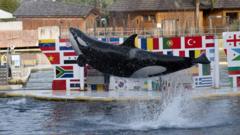
The closure of Marineland Antibes, a prominent marine zoo near Cannes, France, has left the future of two orca whales, Wikie and her son Keijo, uncertain. This decision, enacted following new animal welfare legislation that outlaws the use of dolphins and whales in entertainment shows, has sparked disagreements among campaigners, zoo managers, and government officials regarding the best course of action for the captive marine mammals.Marineland, said to be the largest of its kind in Europe, has been a beloved tourist destination known for its killer whale and dolphin performances. However, the park announced its permanent closure on January 5, citing an unsustainable business model without live shows that attract approximately 90% of its visitors. With the ban on performances set to take effect next year, the urgency to find suitable alternative arrangements for Wikie, 23, and Keijo, 11, has intensified.Experts largely agree that returning the orcas to the wild is not an option. Both animals were born in captivity and lack the skills essential for survival in the ocean. Marine biologist Hanne Strager highlights the importance of social bonds formed with their trainers and humans, having raised concerns about attempts to relocate them without considering their needs. "Taking them out of captivity would be akin to releasing a domesticated dog into the wild," she insists.Amid ongoing proposals for relocation, including potential transfers to facilities in Japan or the Canary Islands, campaigners worry about the conditions and treatment the orcas would face in these places. Last November, the French government blocked plans to send Wikie and Keijo to a marine zoo in Japan due to more lenient animal welfare laws there compared to those in Europe. Critics fear that despite Loro Parque in Tenerife meeting European standards, the orcas may still be compelled to perform.Animal welfare advocates recommend moving the orcas to an ocean sanctuary, such as a site proposed by The Whale Sanctuary Project in eastern Canada. The sanctuary would encompass a designated area of seawater for the whales, ensuring provision from veterinarians and caregivers rather than performance-based care. Advocates argue this would create an environment closer to what the orcas would ideally experience in the wild, with social interactions tailored to their needs until they pass away.The project echoes the fate of Keiko, the orca who became famous from the "Free Willy" films. Following his rescue from captivity, Keiko was relocated to a more natural setting, where he had the chance to learn survival behaviors, though he ultimately left for the wild and died in Norway in 2003.Strager warns about the potential mental stress Wikie and Keijo may face if placed in unfamiliar settings. "We do not fully understand what freedom means for these animals," she states, emphasizing the complexities of their emotional well-being and that there may not be perfect solutions for those raised in captivity.As Marineland's closure impacts over 4,000 animals, it marks a pivotal moment in a broader campaign against marine zoos that has gained traction, supported by public figures like Pamela Anderson, who previously protested against the facility. The momentum behind this movement, fueled by documentaries like "Blackfish," has changed public perception regarding captive marine life, leading organizations to push for ethical alternatives that prioritize the well-being of animals.With the spotlight now on the fate of Wikie and Keijo, the future of marine mammals in captivity is uncertain, but advocacy efforts are steadily growing, calling for a major shift towards animal welfare and sustainable practices.


