REDDING, Calif. — In the quiet agricultural heart of Northern California, locals are bracing for the ramifications of a controversial ballot measure, Proposition 50, which is set to reshape U.S. House district maps. As residents head to the polls on November 4, apprehension grows over the potential dilution of their political voice in a state dominated by Democratic policies.
If passed, Proposition 50 would combine voters from three northern counties with coastal constituencies known for their liberal leanings—effectively sidelining Republican representation in what are predominantly conservative regions. We see it as just massive gerrymandering taking away what little representation we had, stated Patrick Jones, a local business owner and former Shasta County supervisor.
This redistricting initiative, fueled by California Governor Gavin Newsom, aims to counter Republican efforts in Texas to secure additional congressional seats. This is necessary to defend democracy, Newsom conveyed, but local Republicans contend that it represents a blatant power grab.
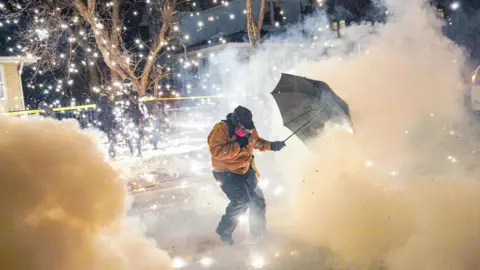
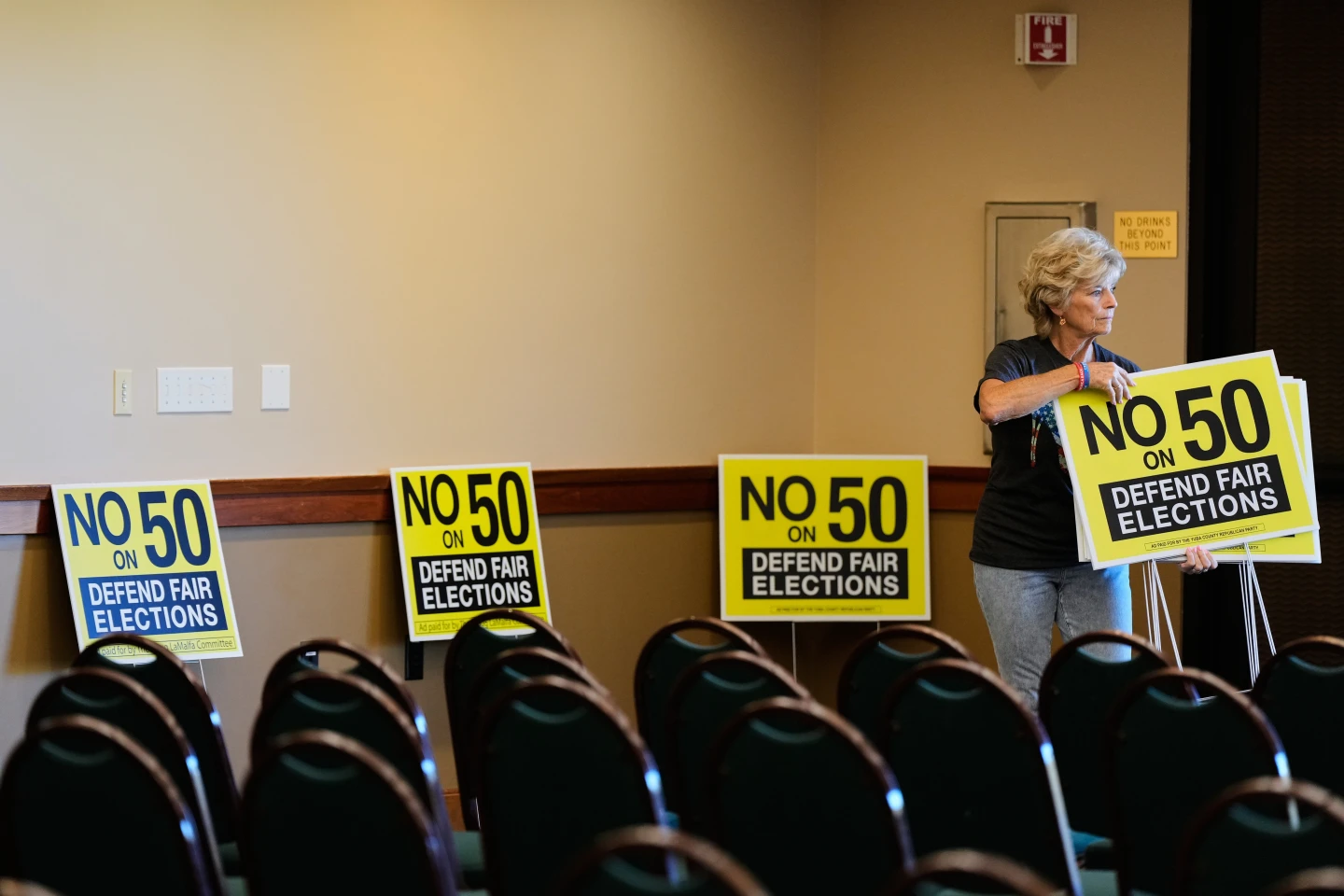
In Redding, the largest city beyond Sacramento, bright yellow signs advocating for fair elections highlight the residents' determination to maintain their voices in governance. Recent protests and rallies have encapsulated the discontent, reflecting concerns about representation from distance constituencies.
Despite efforts to mobilize, rural communities in California often feel outnumbered and unsupported. Preliminary feedback suggests that Democrats have successfully harvested nearly twice the number of ballots in urban areas, while rural turnout remains low. Shasta County has seen only about 7,000 ballots returned so far, noted county clerk Clint Curtis.
Particularly alarming for residents is the proposed unification with Marin County—a stark contrast to Shasta in demographics and political orientation. Marin boasts a median income of over $140,000, while Shasta's economic conditions are much less favorable, leading to fears of further neglect of rural voters' needs.
Local representatives, such as Republican Doug LaMalfa, have reacted by deploying campaign funds to challenge the initiative. Yet for many voters in these rural regions, dissatisfaction with the current administration fosters a complicated relationship with local officials perceived as distant or inactive. There’s distrust in government, especially with how the ban on hand counting ballots was handled here, expressed Jones.
With sentiments deeply divided among constituents, some voters like Warren Swanson have expressed hope that changes brought about by the measure could ultimately lead to increased fairness in districting. Yet, as rural California grapples with its future amidst shifting political tides, uncertainty looms large over the implications of Proposition 50.