
In brief
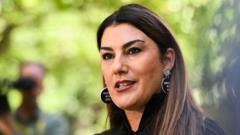
During King Charles III's recent visit to Australia, Senator Lidia Thorpe heckled him, stating that he is "not my King." An advocate for Indigenous rights and the first Aboriginal senator from Victoria, Thorpe highlighted the ongoing impact of colonization on First Nations peoples while calling for a treaty to address historical injustices. Her actions have sparked a broader conversation about the role of the monarchy in Australia and the need for recognition of Indigenous sovereignty.
Senator Lidia Thorpe ignited fresh controversy after she heckled King Charles III during his visit to Australia, affirming her stance that he does not represent the interests of Indigenous Australians. Known for her vigorous advocacy for First Nations rights, Thorpe expressed her disapproval as she was escorted out of the Great Hall, insisting that the King—who represents a colonial legacy—does not have the authority to claim sovereignty over Australian land.Thorpe, a Gunnai, Gunditjmara, and Djab Wurrung woman, made headlines previously for calling Queen Elizabeth II a "coloniser" during her swearing-in ceremony as the first Aboriginal senator from Victoria in 2020. Her actions reflect ongoing debates within Australia about Indigenous rights, the effects of colonialism, and the significant disparities still faced by Aboriginal and Torres Strait Islander communities today.After heckling the King, Thorpe stated to the BBC, "To be sovereign, you have to be of this land. He’s not of this land." She emphasized that the monarchy should address the colonization issues and initiate conversations surrounding reparations and a formal treaty with Indigenous groups—a critical step Thorpe believes is overdue. She firmly believes that true recognition of Indigenous rights entails direct and respectful discourse regarding past injustices.The senator's comments and actions have stirred varied responses within the community. While some dispute her approach, even among Indigenous leaders, others share her frustration at Australia being the only Commonwealth nation without a treaty with its Indigenous population. Last year's unsuccessful referendum aimed at establishing a Voice to Parliament—a body intended to give First Nations people a say in legislative matters—fueled Thorpe's argument that Indigenous Australians are still grappling with the ramifications of colonial oppression.Despite her calls for change, there appears to be a divide within Indigenous communities regarding royal visits. Allira Davis, co-chair of the Uluru Youth Dialogue, acknowledged her respect for the late Queen while advocating for a more significant emphasis on recognizing First Nations peoples in the national discourse. Thorpe, who is now an independent senator following her departure from the Greens, continues to push for political action focused on reparative justice for Indigenous Australians, believing that the monarchy must take responsibility for its colonial roots. As Australia reflects on its future identity, the dialogue surrounding monarchy, colonization, and Indigenous rights is destined to continue, amplified by the voices of politicians like Lidia Thorpe.


